News

Why do black lines appear repeatedly in the extruder? This article teaches you how to quickly determine whether it is caused by a problem with the barrel or screw.

2025-10-28 0 Leave me a message


Frequent black lines on extruders are primarily caused by raw material contamination, carbon deposits on the equipment, and worn components. These issues require investigation and locating according to the steps below.

1. Raw material and auxiliary material issues

This is the most common cause and should be prioritized.

Raw material impurities: Black foreign matter, such as dust, metal debris, or other masterbatches, may be introduced into the raw materials during production, storage, or transportation.

Raw material moisture or degradation: Excessive moisture in the raw materials can lead to carbonization during high-temperature extrusion, resulting in black specks. Degradation from prolonged storage can also result in the formation of black charred materials.

Masterbatch or additive issues: Poor dispersion of the masterbatch can result in black agglomerated particles. Excessive addition of additives (such as antioxidants) can lead to carbonization at high temperatures.


2. Carbon deposits within the equipment: After long-term use, residual material can easily remain in the barrel, screw, or mold, leading to carbonization and the formation of black lines.

Incomplete cleaning during downtime: Residual material in the barrel and screw is not completely cleaned after the previous run. When the machine is restarted, this residual material carbonizes at high temperatures and mixes with the new material. Improper production parameter settings: Extrusion temperatures are too high, exceeding the thermal stability temperature of the raw material, causing overheating and carbonization in the barrel.

Screw speed mismatch with feed rate: Feeding speed is too slow, while screw speed is too fast, causing the material to remain in the barrel for too long, leading to thermal degradation and carbonization.


3. Equipment Parts Wear or Failure

Metal debris from worn parts or impurities introduced by damaged seals can also cause black lines.

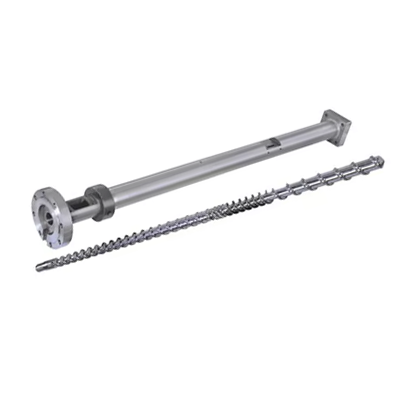
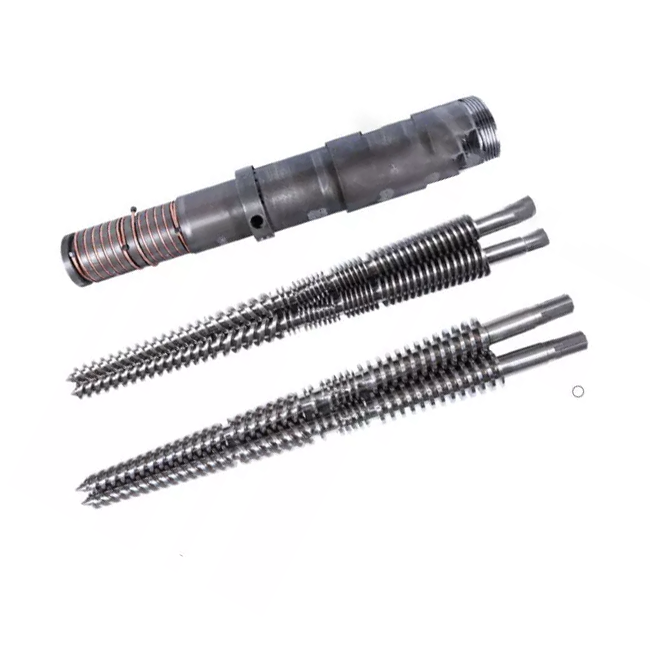
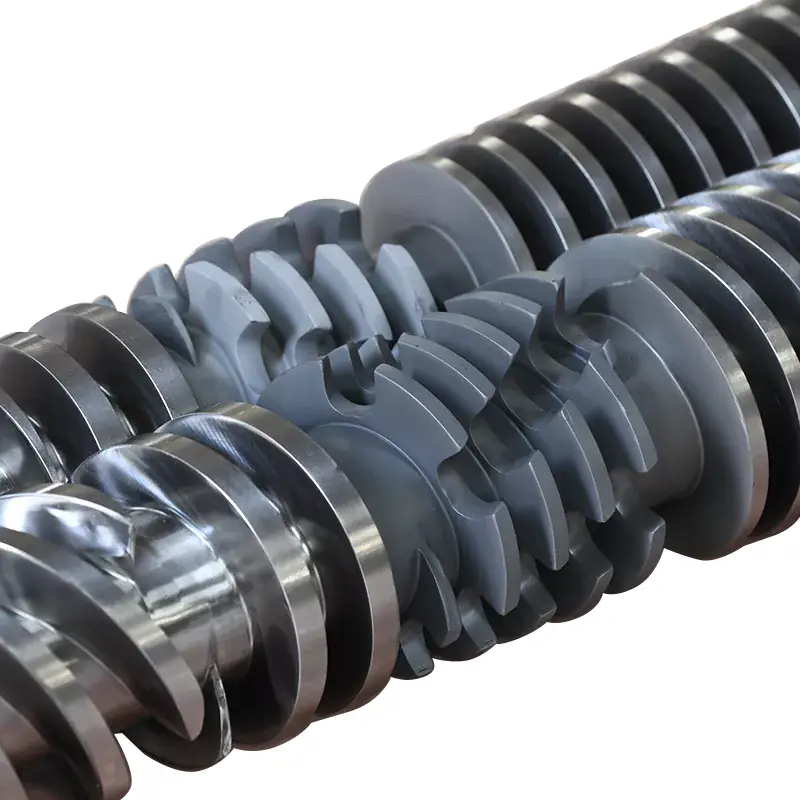
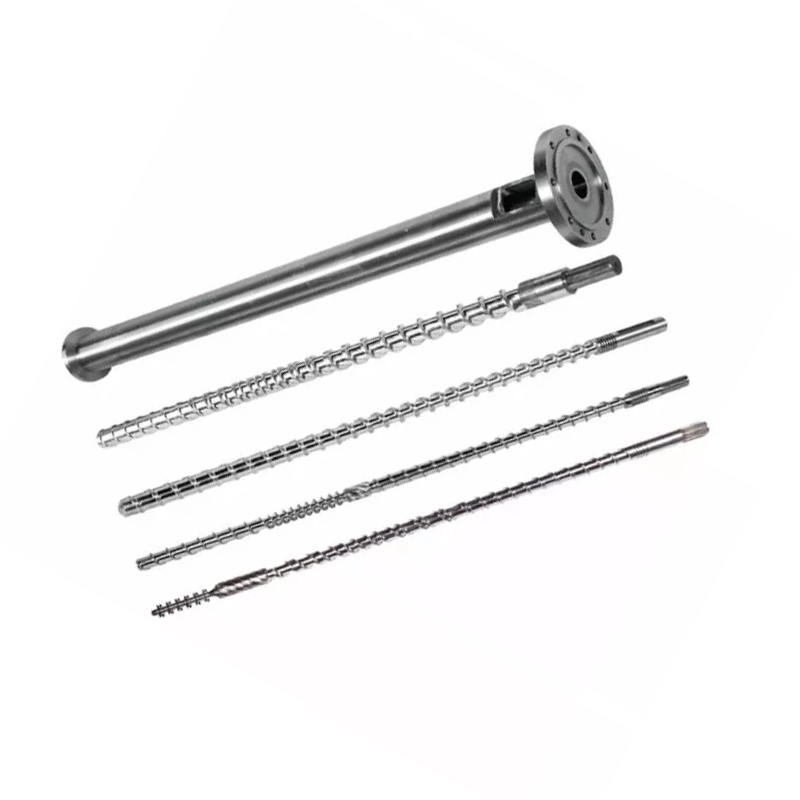
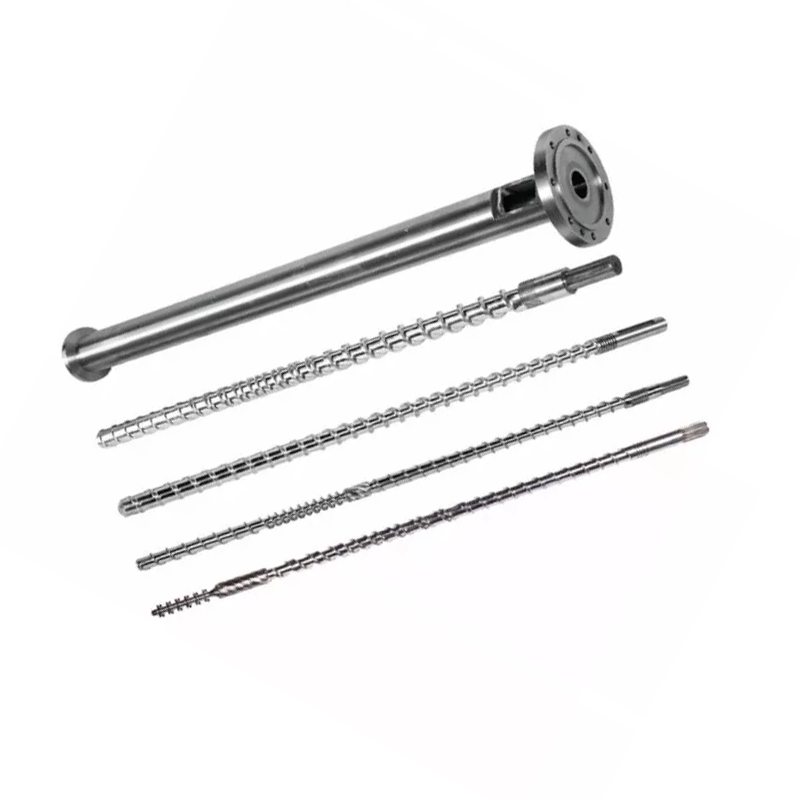
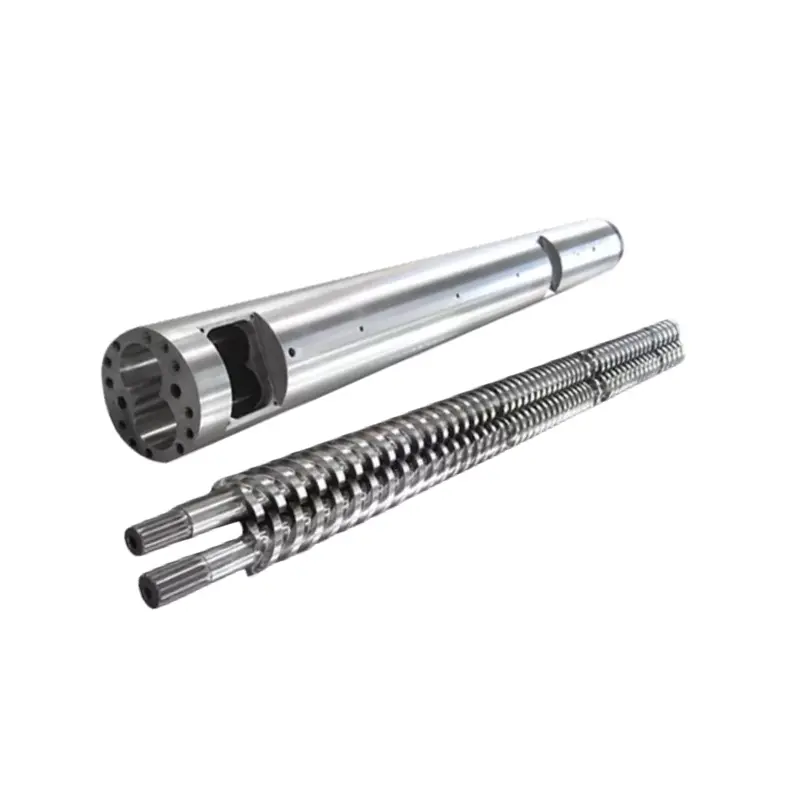
Screw and Barrel Wear: After long-term use, the gap between the screw and barrel increases, making it easy for the material to be trapped and carbonized in the gap. Metal powder generated by wear can mix into the material, forming black lines.

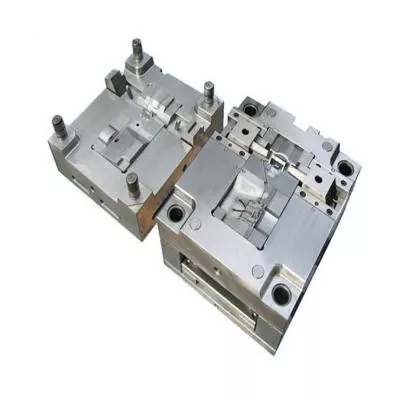
Mold Problems: Carbon deposits or scratches in the mold flow channel can cause the material to be trapped and carbonized during flow. Damaged mold seals can allow external impurities to enter the flow channel.

Filter Clog or Damage: Melt filters that have not been replaced for a long time can become clogged, leading to poor material flow and localized overheating and carbonization. Damaged filters can allow impurities to enter the mold directly. It is recommended to check in the order of "raw materials → equipment cleaning → accessories inspection". First replace a batch of new raw materials for testing. After eliminating the raw material problem, disassemble and clean the barrel, screw and mold, and finally check the status of accessories such as the screw and filter.


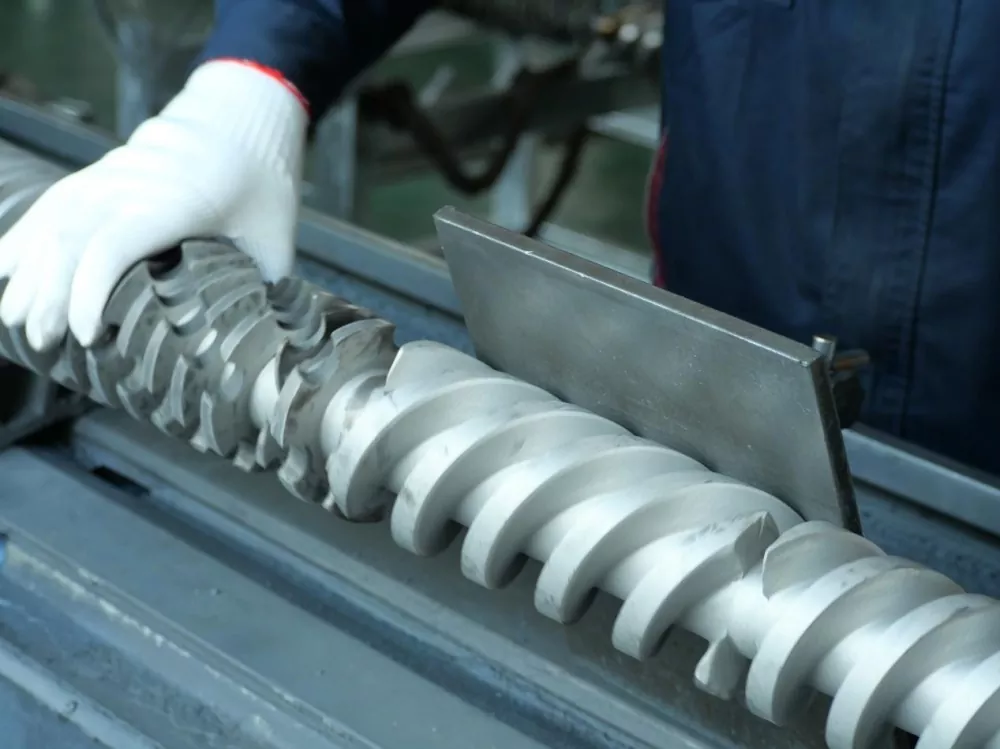
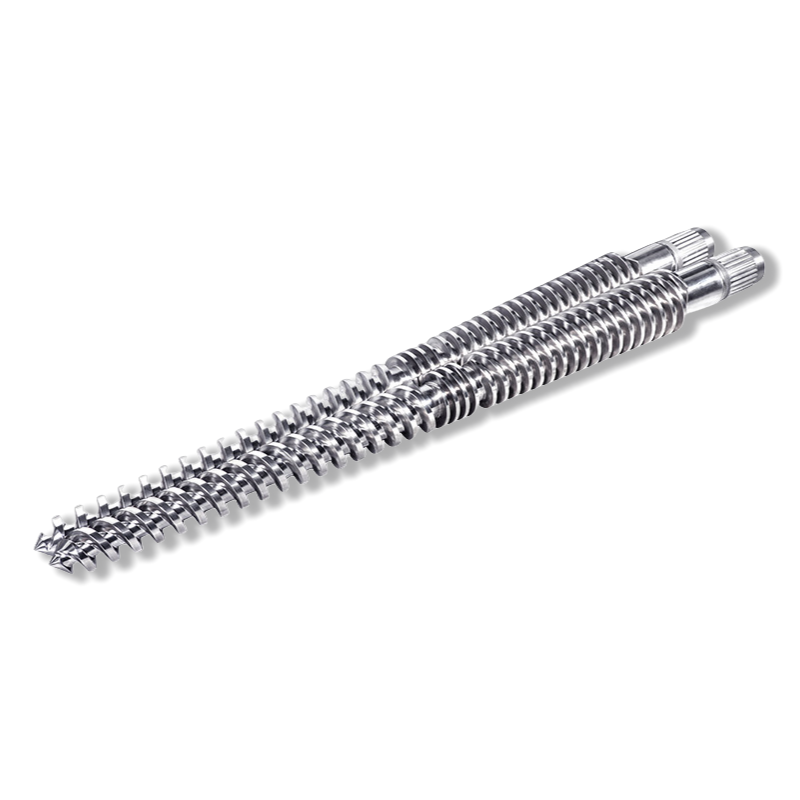
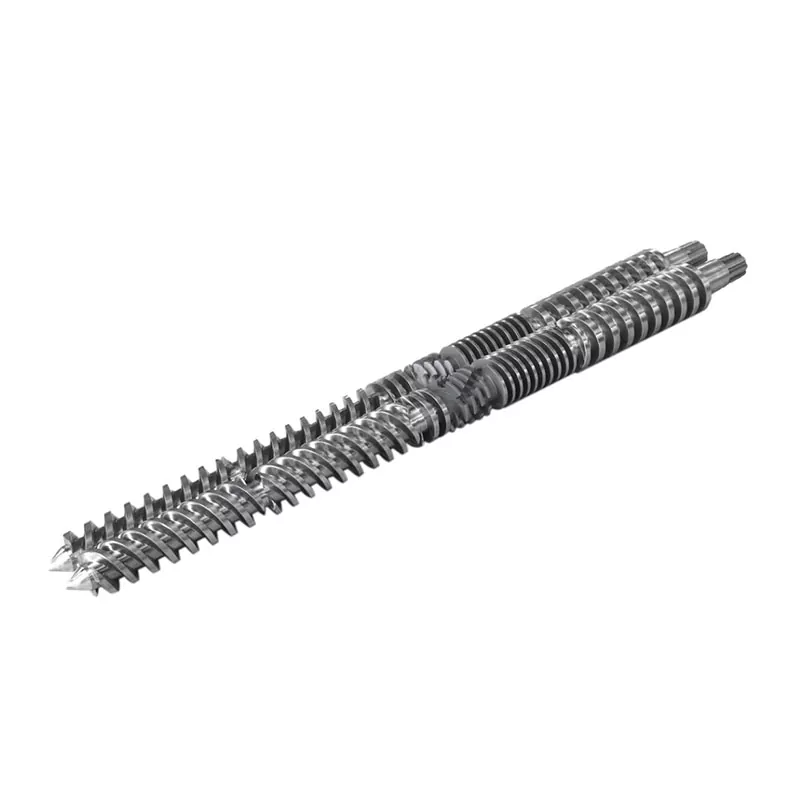
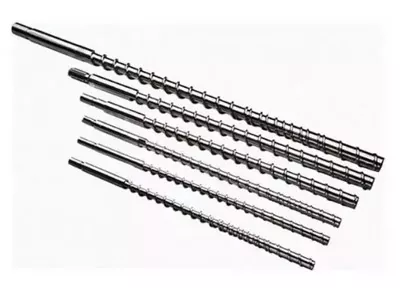
As the plastic melt undergoes the entire process of conveying, compressing, and melting within the screw, even the smallest surface imperfection can become a breeding ground for black streaks. The surface roughness common in conventional screws makes it easy for material to become trapped in the thread gaps during high-speed rotation. This, coupled with repeated heating, forms charred products, ultimately causing black streaks in the finished product.


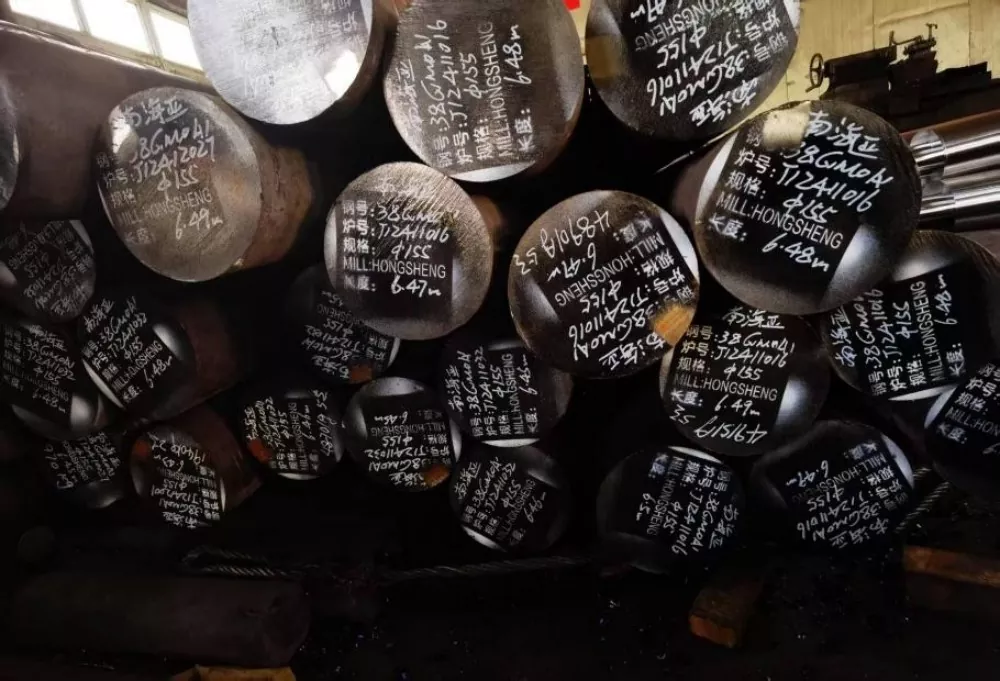
Material selection is also crucial. Our screws are made of high-quality 38CrMoALA nitrided alloy steel. This undergoes a seven-day quenching and nitriding treatment, resulting in a 0.50-0.70mm thick nitrided layer and a surface hardness of HV950-1050. These material properties ensure excellent wear resistance even at temperatures around 200°C, extending the screw's service life by at least one-fifth compared to conventional products. This prevents material buildup in dead corners due to surface wear over extended use.

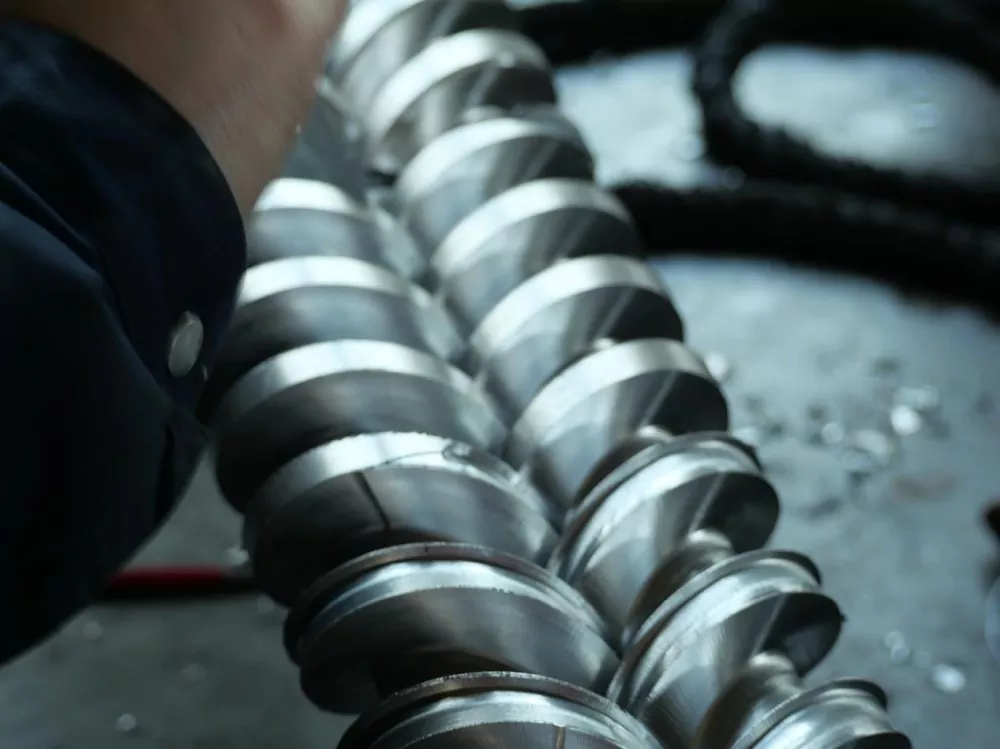
Through precision machining, the screw achieves a mirror-grade surface finish of Ra0.4 microns, several times higher than the industry standard. This translates to a height difference of no more than 0.4 microns per millimeter of screw surface length, just 1/200th the diameter of a human hair. This ultra-smooth surface significantly reduces the risk of material retention and eliminates the path for black streaks in the first place.


Related News
Leave me a message
X
We use cookies to offer you a better browsing experience, analyze site traffic and personalize content. By using this site, you agree to our use of cookies. Privacy Policy
Reject Accept