News

What Causes Premature Wear on Single Screw Surfaces?

2026-04-29 0 Leave me a message

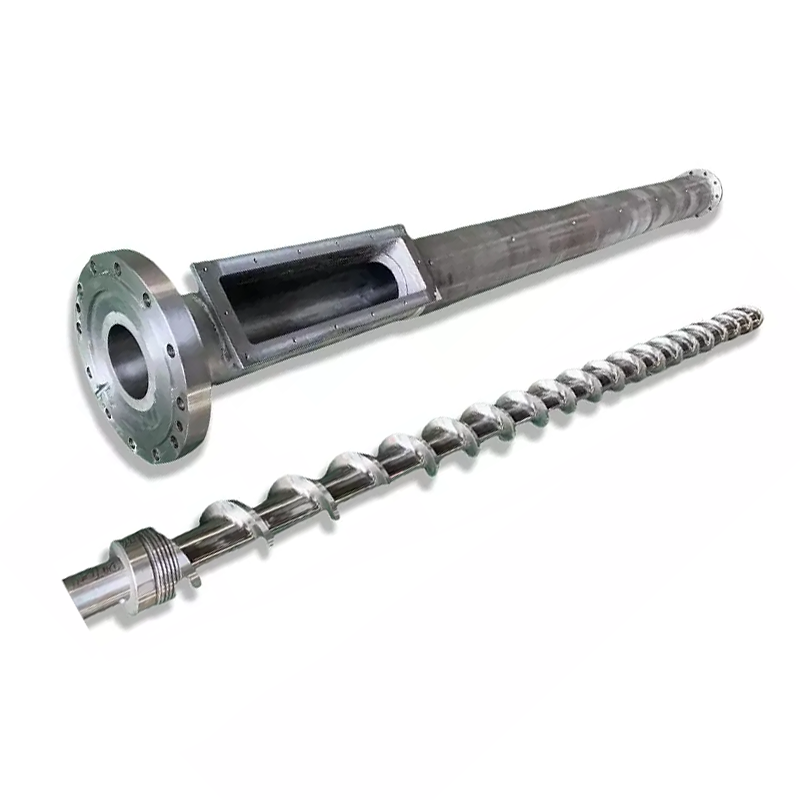
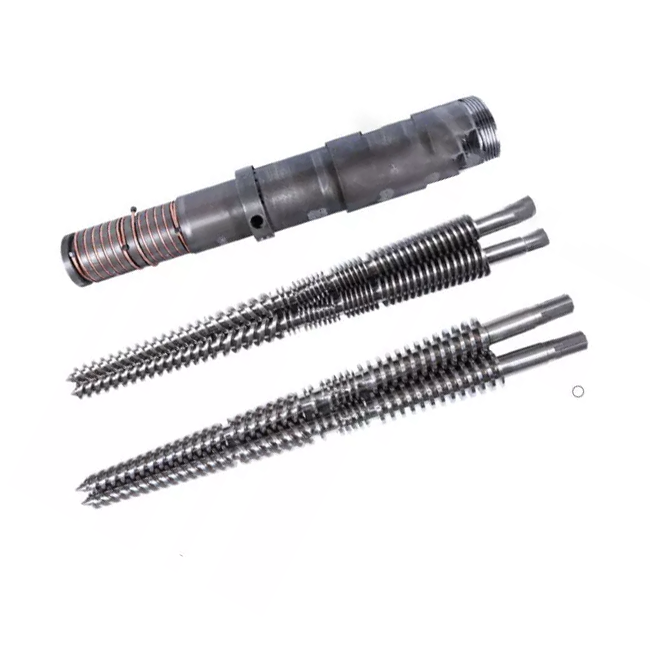
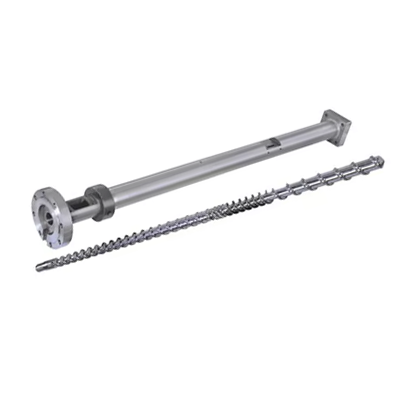
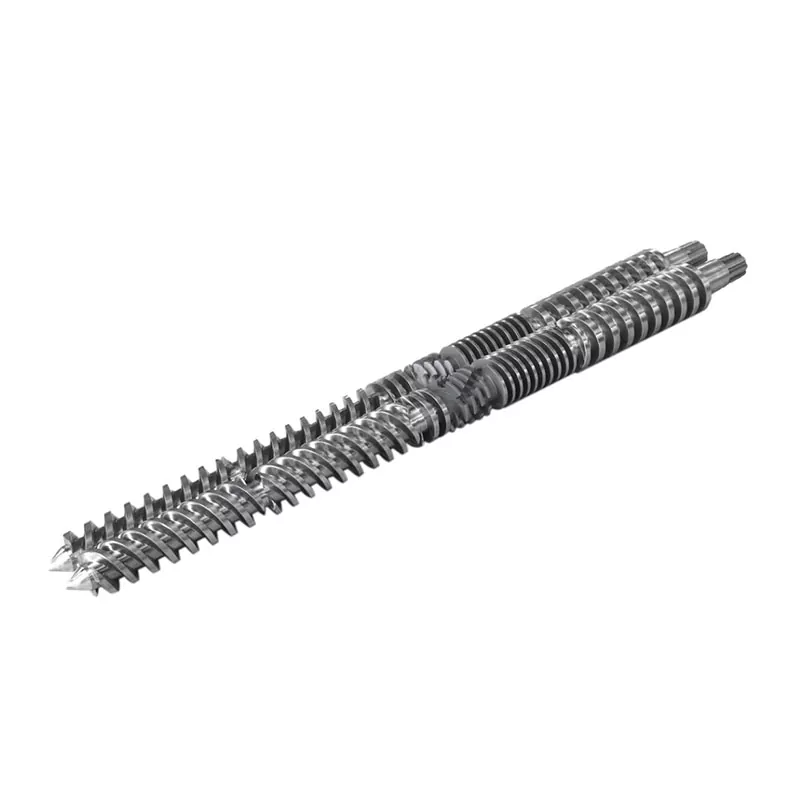
In the plastic processing industry, the Single Screw is the core component of extrusion and injection molding equipment, responsible for material conveying, melting, and mixing—its surface condition directly determines production efficiency, product quality, and equipment operational stability. Premature wear on Single Screw surfaces is a common and costly problem that plagues enterprises, leading to reduced output, increased energy consumption, frequent downtime, unstable product quality, and rising maintenance costs. Zhoushan Nanhaiya Plastic Machinery Co., Ltd. stands as one of China’s earliest specialists in precision screw and barrel solutionsThis article comprehensively explores the root causes of premature Single Screw surface wear, including material characteristics, process parameters, design and manufacturing factors, and maintenance practices, provides a comparative analysis of different wear scenarios, addresses industry pain points caused by wear, and offers practical mitigation strategies. By the end, readers will gain a clear understanding of how to identify, prevent, and reduce Single Screw surface wear, while learning how professional precision manufacturing can enhance the durability and performance of Single Screw products.

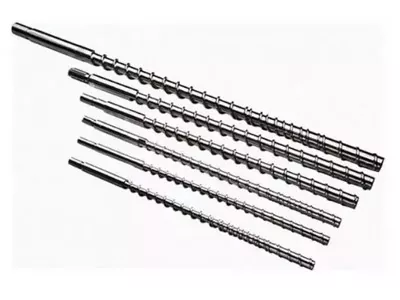
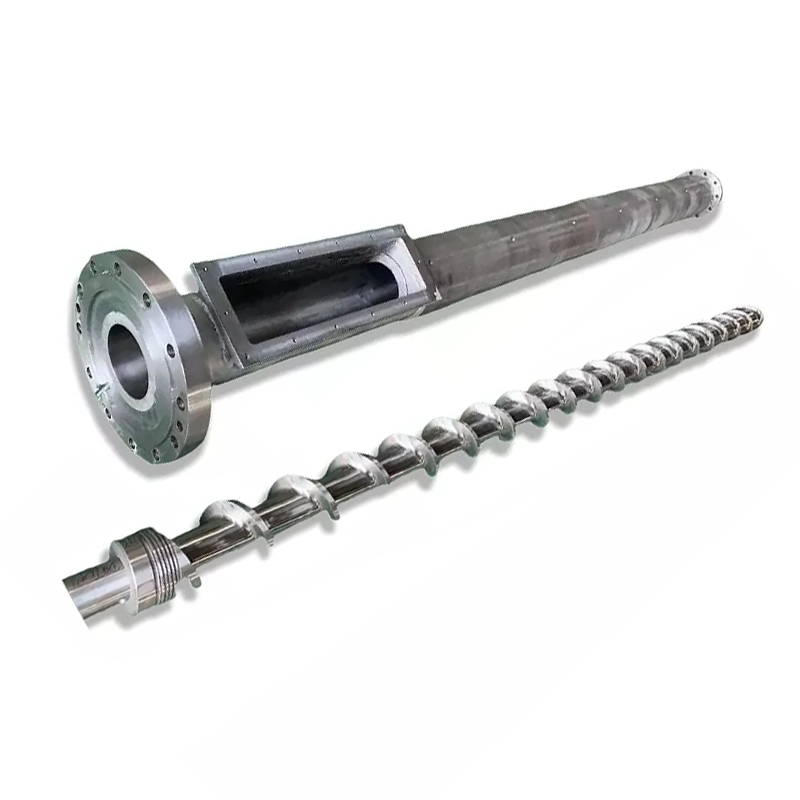
Single Screw

Primary Causes of Premature Wear on Single Screw Surfaces

Material Characteristics: The Most Direct Trigger for Wear

The properties of processed materials are the leading cause of Single Screw surface wear. First, abrasive fillers pose significant risks. Materials like PE wood-plastic composites, PVC with mineral additives, and glass fiber-reinforced plastics contain hard particles such as silica, calcium carbonate, or glass fibers. These particles act as abrasives, continuously scraping and cutting the Single Screw surface during high-pressure operation, gradually wearing down the thread edges and root surfaces. Over time, this abrasive action leads to rounded threads, reduced conveying efficiency, and even material leakage.

Second, chemical corrosion accelerates wear. Polymers like PVC, EVA, and TPR decompose at high temperatures, releasing acidic or corrosive gases. These substances react with the Single Screw’s metal surface, forming micro-pits and weakening the surface structure. Corrosion and abrasion often interact in a vicious cycle: corrosion roughens the surface, making it more susceptible to abrasive wear, while abrasion removes corrosion-resistant layers, intensifying chemical damage and shortening the Single Screw’s service life.

Third, high viscosity and poor flowability increase mechanical stress. Materials with high viscosity or unstable melting points require greater shear force and conveying pressure to move through the screw. This heightens friction between the Single Screw and the material, raising surface temperature and mechanical load, which in turn accelerates surface fatigue and wear. For example, processing high-viscosity TPR materials without proper parameter adjustment can lead to excessive friction and rapid wear of the screw surface.

Unreasonable Process Parameters: Accelerating Wear Through Improper Operation

Improper process parameters are critical contributors to premature Single Screw wear, as many enterprises unknowingly accelerate wear through incorrect operational settings. Excessive temperature is a common issue: overheating softens the Single Screws surface hardness, reducing its wear resistance and making it more vulnerable to abrasive particles. At the same time, high temperatures can cause material decomposition, increasing the release of corrosive substances and exacerbating surface damage. Conversely, insufficient temperature leads to incomplete melting of materials, leaving solid particles that scrape the screw surface during conveying.

Overloading and excessive pressure also cause severe damage. Long-term operation beyond the Single Screw’s designed load increases radial force, leading to uneven contact between the screw and the barrel. This uneven contact results in localized wear, especially on the thread edges, and can even cause thread deformation. High pressure during material processing intensifies compaction of abrasive particles, enhancing their scratching effect on the screw surface.

Additionally, unstable speed and frequent start-stop operations harm the Single Screw surface. Speed fluctuations create inconsistent friction and impact loads, putting stress on the surface structure. Frequent start-stops generate instantaneous high friction and temperature shocks, which can induce micro-cracks on the surface; these cracks gradually expand with continued operation, leading to premature wear and even screw failure.

Structural Design and Manufacturing Defects: Inherent Risks of Poor-Quality Single Screw

The design and manufacturing quality of the Single Screw itself are fundamental to its wear resistance—poor design or shoddy manufacturing creates inherent risks of premature wear. Unreasonable thread design is a common flaw: incorrect thread pitch, depth, or helix angle leads to uneven material flow, resulting in localized pressure spikes and excessive friction in specific areas of the screw. Poor transition between thread edges and roots creates stress concentration points, which are prone to cracking and wear under cyclic loads.

Inferior material selection is another critical issue. Ordinary carbon steel or low-alloy steel lacks sufficient hardness, wear resistance, and corrosion resistance, making it unable to withstand the long-term abrasive and corrosive environment of plastic processing. Even with surface treatment, inferior base materials cannot ensure long-term stability, leading to rapid coating peeling and substrate wear.

Insufficient manufacturing precision also shortens the Single Screw’s service life. Poor dimensional accuracy, uneven surface roughness, or defective surface coatings (such as alloy spray welding) result in gaps between the Single Screw and the barrel. These gaps cause uneven wear and material leakage, while defective coatings peel off easily, losing their protective effect and accelerating wear of the screw substrate. Professional manufacturers like Zhoushan Nanhaiya avoid these defects through advanced production processes, intelligent equipment, and strict quality control.

Poor Lubrication and Maintenance: Neglect Leading to Hidden Dangers

Inadequate lubrication and maintenance are often overlooked but critical factors contributing to premature Single Screw wear. Insufficient or contaminated lubrication fails to form a protective oil film between the Single Screw and the material or barrel, increasing direct friction and wear. Contaminated lubricants, which may contain hard particles or corrosive substances, further exacerbate abrasive and chemical wear.

Lack of regular cleaning and inspection allows material residues to accumulate on the Single Screw surface. These residues carbonize at high temperatures, forming hard deposits that scratch the surface during operation. Without timely inspection, minor wear or corrosion progresses into severe damage, shortening the screw’s service life and leading to unexpected failure. Many enterprises only address wear after problems occur, rather than implementing proactive inspection and maintenance.

Improper installation and alignment also cause abnormal wear. Misalignment between the Single Screw and the barrel creates eccentric friction, leading to localized wear on one side of the thread. Excessive installation preload causes structural deformation of the screw, altering contact conditions with the barrel and accelerating surface wear over time.

Comparative Analysis: Wear Performance of Single Screw Under Different Influencing Factors

To help technical and operational teams quickly identify the key causes of Single Screw surface wear and formulate targeted solutions, the following table systematically compares the wear characteristics, core impacts, and typical application scenarios under different influencing factors:

Influencing Factor Wear Characteristics Core Impacts Typical Application Scenarios
Hard Abrasive Fillers Thread edge rounding, root scratching, uniform material loss Reduced conveying efficiency, increased energy consumption, material leakage PE wood-plastic composites, glass fiber-reinforced plastics
Chemical Corrosion Surface pitting, rusting, localized coating peeling Rough surface, accelerated abrasive wear, material contamination PVC, EVA, TPR, high-temperature decomposable polymers
Excessive Temperature Surface softening, discoloration, reduced hardness Decreased wear resistance, increased corrosion risk, screw deformation Long-term high-temperature processing, poor cooling system
Overload & High Pressure Localized wear, thread deformation, stress cracks Severe vibration, equipment damage, shortened service life High-output continuous production, high-viscosity materials
Inferior Material/Coating Rapid coating peeling, substrate wear, uneven damage Frequent maintenance, high replacement cost, unstable production Low-cost non-standard screws, unprofessional manufacturing
Poor Lubrication & Maintenance Dry friction scratches, residue accumulation, carbonization Abnormal noise, sudden failure, increased scrap rate Long-term unattended operation, lack of maintenance plans

Industry Pain Points Caused by Premature Single Screw Wear

Pain Point 1: Frequent Production Interruption and Reduced Efficiency

Premature wear on Single Screw surfaces directly impairs the screw’s conveying and melting efficiency. Worn threads cannot effectively push material forward, leading to uneven output, reduced plasticization quality, and increased scrap rates. As wear worsens, material leakage between the screw and barrel becomes inevitable, requiring frequent shutdowns for inspection, maintenance, or screw replacement. These interruptions disrupt production schedules, reduce overall equipment effectiveness, and delay order delivery—creating significant operational losses for enterprises.

Pain Point 2: Increased Operational and Maintenance Costs

The financial impact of premature Single Screw wear is substantial. Frequent replacement of worn Single Screw components increases spare parts costs, while maintenance labor and downtime losses further elevate operational expenses. In severe cases, unexpected wear can scratch the barrel (a costly component to replace) or damage other parts of the equipment, resulting in higher repair costs and longer production downtime. Over time, these costs accumulate, eroding profit margins and reducing enterprise competitiveness.

Pain Point 3: Unstable Product Quality and Hidden Risks

A worn Single Screw surface cannot ensure uniform material melting and mixing, leading to product defects such as surface roughness, bubbles, dimensional deviations, and uneven color. These defects reduce product quality and market competitiveness, especially for high-precision applications. For industries with strict quality requirements—such as medical devices, food packaging, or automotive components—unstable product quality may trigger compliance risks, safety hazards, and even reputational damage.

How to Mitigate Premature Wear on Single Screw Surfaces

Optimize Material Selection and Formulation

The first step in reducing Single Screw wear is to optimize material selection and formulation based on processing requirements. For abrasive materials (e.g., PE wood-plastic composites), choose high-hardness, wear-resistant raw materials or add wear-resistant additives to reduce the abrasive effect of hard particles. For corrosive materials (e.g., PVC, EVA), use corrosion-resistant alloys or apply anti-corrosion surface coatings to protect the screw surface. When possible, optimize the material formulation to reduce the content of hard fillers or corrosive components, while ensuring the final product meets performance standards.

Standardize Process Parameter Control

Establishing scientific and standardized process parameters is critical to preventing premature wear. Based on the characteristics of the processed material and the performance of the equipment, set a reasonable temperature range to avoid overheating (which softens the screw surface) or insufficient melting (which increases friction). Avoid long-term overload operation; match the production output with the Single Screw’s designed load capacity. Maintain stable screw speed to reduce friction fluctuations, and minimize frequent start-stops to avoid temperature shocks and impact loads. Equip equipment with real-time monitoring systems to track temperature, pressure, and torque, allowing for timely adjustments if abnormal conditions occur.

Choose High-Quality Single Screw Products

The quality of the Single Screw itself is the foundation of wear resistance. Select Single Screw products from professional manufacturers with rich experience and advanced technology. High-quality Single Screw products use high-grade, wear-resistant, and corrosion-resistant materials, combined with advanced manufacturing processes (such as alloy spray welding) and precise surface treatment to enhance durability. Zhoushan Nanhaiya Plastic Machinery Co., Ltd., with over a decade of experience in screw and barrel manufacturing, integrates European and American cutting-edge technologies to provide customized Single Screw design and manufacturing solutions, tailored to address wear challenges in specific application scenarios (e.g., PE wood-plastic, PVC, EVA processing).

Strengthen Lubrication and Daily Maintenance

Proactive lubrication and maintenance are key to extending the service life of Single Screw products. Establish a sound lubrication management system: select lubricants suitable for the processing material and operating conditions, and replenish or replace them regularly to ensure a stable protective oil film. Keep the lubrication system clean to prevent contamination by hard particles or corrosive substances. Develop a daily maintenance plan: clean the Single Screw surface regularly to remove material residues and carbon deposits, and conduct routine inspections to detect minor wear, corrosion, or coating defects early. Ensure accurate installation and alignment of the Single Screw and barrel to avoid eccentric friction and localized wear.

Conclusion

Premature wear on Single Screw surfaces is a complex, multi-factor issue that poses significant challenges to the plastic processing industry, affecting production efficiency, operational costs, and product quality. As explored in this article, the root causes of wear include material characteristics, unreasonable process parameters, design and manufacturing defects, and poor lubrication and maintenance—all of which interact to accelerate surface damage.

Addressing premature wear requires a comprehensive approach: optimizing material selection and process parameters, choosing high-quality Single Screw products, and implementing proactive lubrication and maintenance practices. By understanding the causes and impacts of wear, and adopting targeted mitigation strategies, enterprises can significantly reduce wear rates, extend the service life of Single Screw components, and ensure long-term stable operation of equipment.

As a pioneer in the precision screw and barrel market, Zhoushan Nanhaiya Plastic Machinery Co., Ltd. continues to leverage its technical expertise, advanced production processes, and intelligent equipment to develop high-performance Single Screw products and customized solutions. By addressing the core challenge of premature wear, the company helps plastic processing enterprises reduce operational risks, improve production efficiency, and achieve sustainable development in an increasingly competitive industry.


Related News
Leave me a message
X
We use cookies to offer you a better browsing experience, analyze site traffic and personalize content. By using this site, you agree to our use of cookies. Privacy Policy
Reject Accept