
Pick a conical twin screw extruder for rigid PVC pipe and profile, especially on small-to-mid lines — the tapered screws give a big feed throat for dry-blend powder and plenty of torque at low speed. Go parallel when you need compounding, masterbatch, high output, or the freedom to reconfigure the screw for different jobs. Conical is the PVC specialist; parallel is the versatile workhorse. And the screw barrel material matters either way.
Once you have settled on a twin screw, there is a second fork in the road: conical or parallel? Both run two intermeshing screws. But the shape of those screws changes what the machine is good at — and getting it wrong is an expensive way to learn the difference.
We build both, so we have no dog in this fight. Here is the honest breakdown: what each does best, where each falls short, and how to spec the screw barrel that goes with it. (If you are still deciding between single and twin in the first place, start with our guide to single screw vs twin screw extruders.
What Is a Conical Twin Screw Extruder?
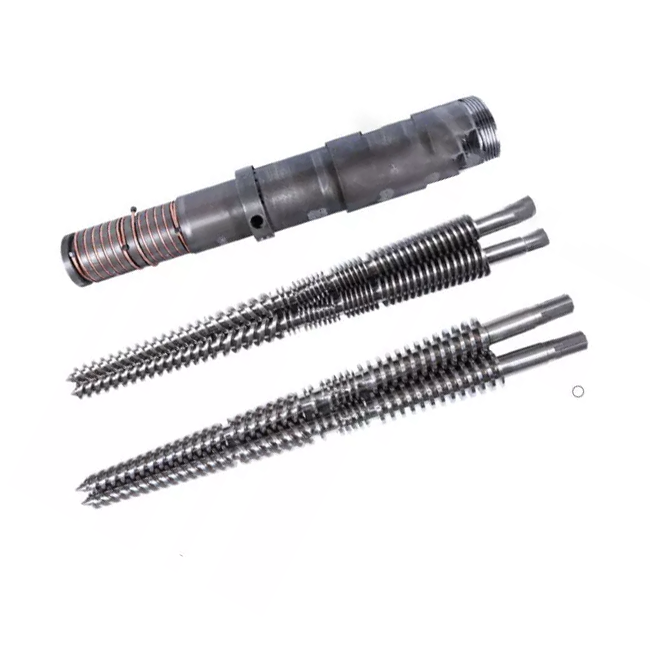
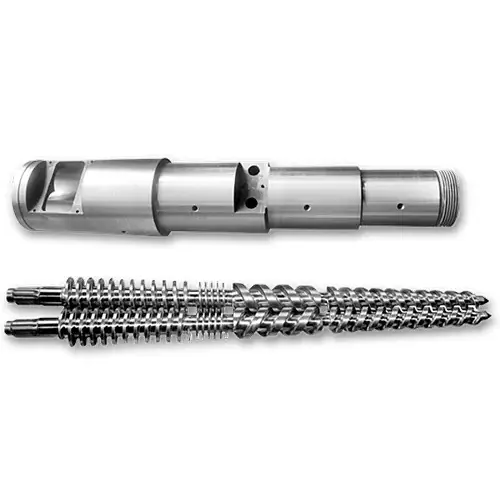
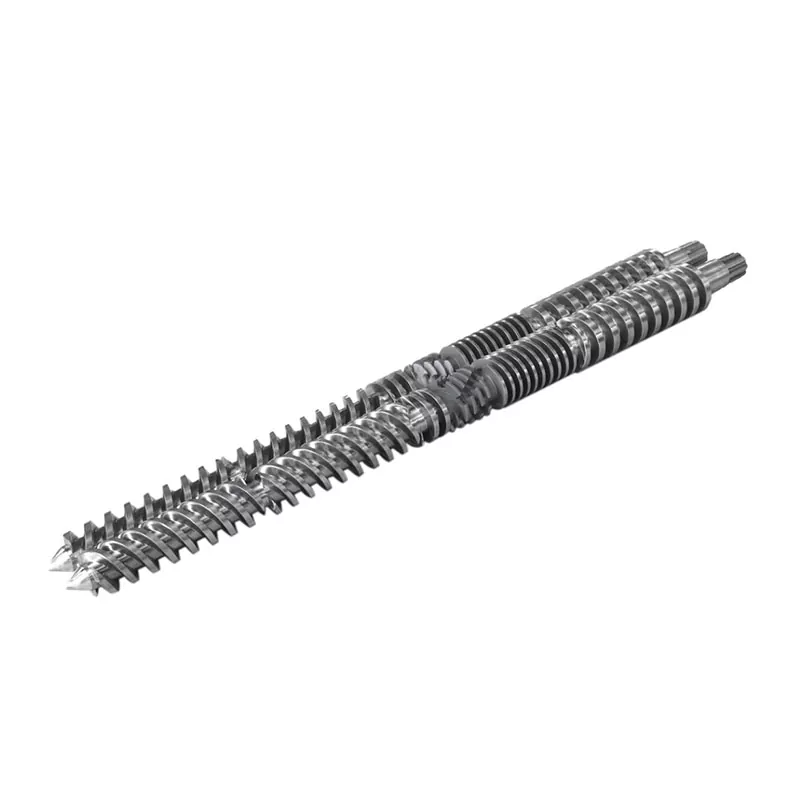
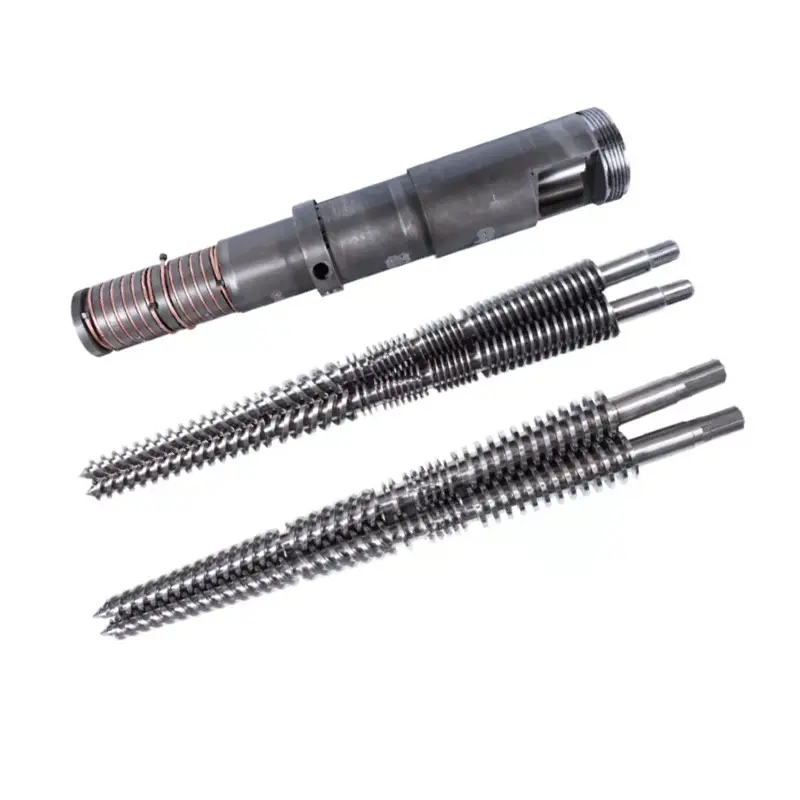
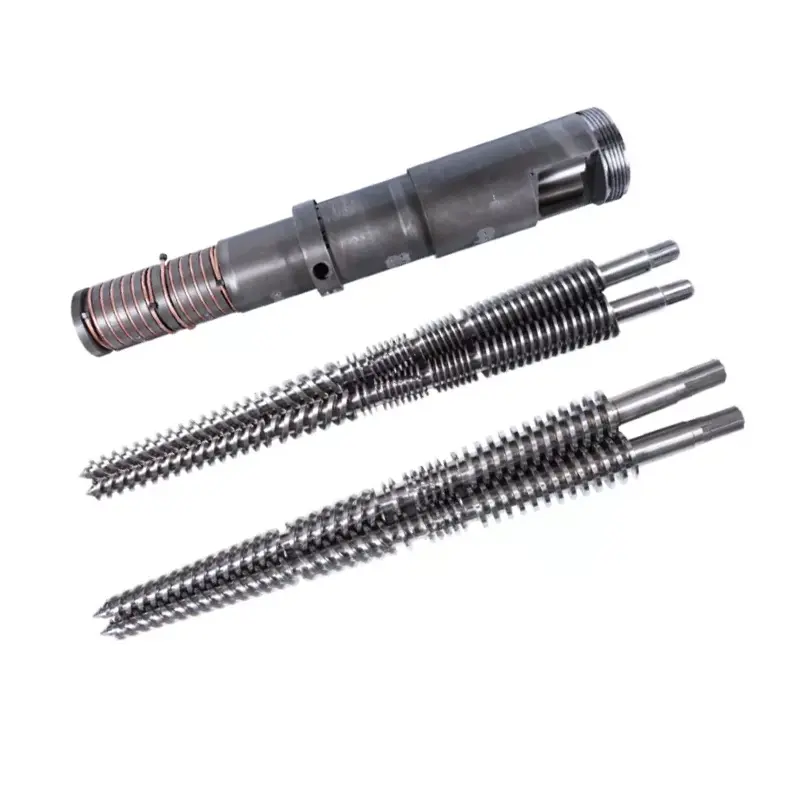
A conical twin screw runs two tapered screws — wide at the feed end, narrowing toward the discharge. That shape is not cosmetic. The wide feed end opens up a large feed throat, which is exactly what a low-bulk-density material like rigid PVC dry blend needs to grab and convey. And because the screws sit far apart at the feed end, there is room for bigger bearings and gears right where the load is highest, so a compact conical machine can deliver high torque at low screw speed without surging.
Put those together and you get the classic rigid PVC machine: gentle, controlled heat input, strong positive conveying, and a footprint that fits a small or mid-size pipe or profile line. What you give up is flexibility — the geometry is largely fixed — and top-end output, which big parallel machines sail past.
How the Tapered Design Changes the Process
The taper does more than open the feed throat. As the bore narrows toward the discharge, material is compressed gradually, which builds pressure smoothly rather than in a sudden jump. For a heat-sensitive polymer like rigid PVC, that gradual compression matters: it means controlled shear and a predictable temperature rise, so the material plasticizes without scorching. The longer the melt spends under gentle, even heat instead of sharp shear spikes, the steadier the output and the lower the risk of degradation.
There is a mechanical payoff too. Because the screws are widely spaced at the feed end, a conical machine fits larger shafts and bearings right where torque demand peaks. That is how a compact conical extruder delivers strong, steady conveying at low rpm — the speed range where rigid PVC behaves best. End to end, it is a design tuned for one job, and it does that job extremely well.
What Is a Parallel Twin Screw Extruder?
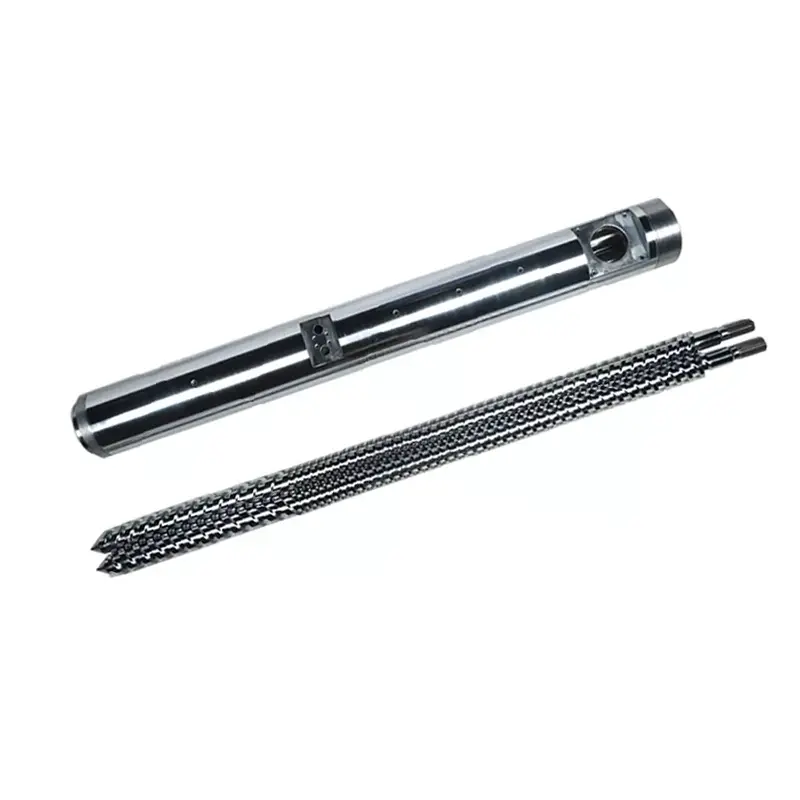
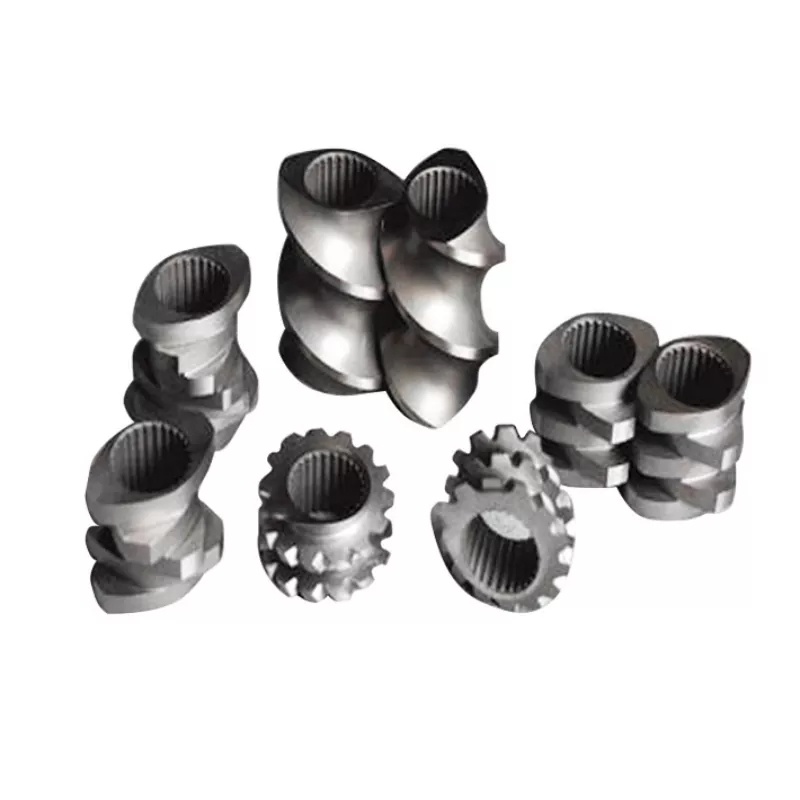
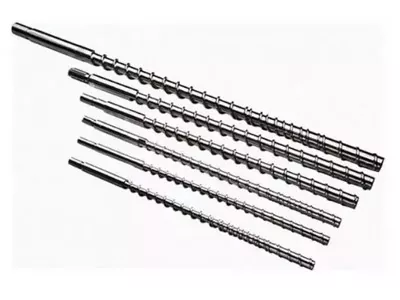
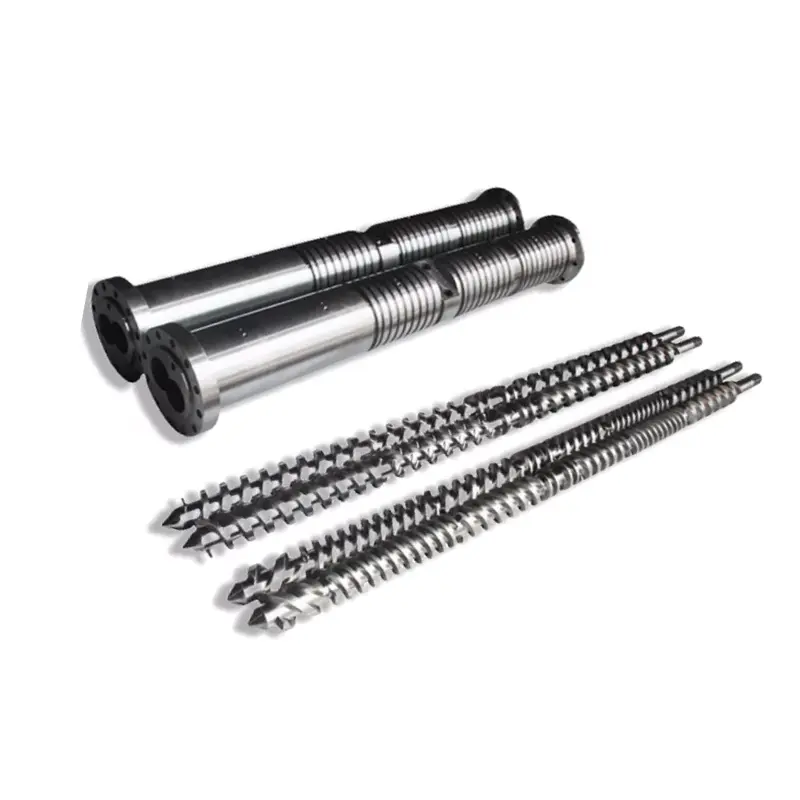
A parallel twin screw keeps a constant diameter from feed to discharge. The screws are built from modular elements — conveying sections to move material, kneading blocks to mix it — so you configure the profile for one compound and reconfigure it for the next. One machine, many recipes. That is the whole appeal.
Parallel machines come co-rotating, the standard for compounding and masterbatch, or counter-rotating, used for rigid PVC and some profile work. They scale from lab lines to very high tonnage, which is why nearly all compounding, reactive extrusion, and filled-material work runs on a parallel twin. The trade-offs? A bigger footprint, and often a higher entry cost than a small conical machine.
Conical vs Parallel Twin Screw: Key Differences
Here is the split at a glance, on the points that actually decide a purchase.
| Factor | Conical Twin Screw | Parallel Twin Screw |
|---|---|---|
| Screw shape | Tapered (wide feed, narrow discharge) | Constant diameter |
| Feed throat | Large — suits dry-blend powder | Standard |
| Torque at low speed | High | Moderate |
| Screw configuration | Largely fixed geometry | Modular, reconfigurable |
| Typical rotation | Counter-rotating, intermeshing | Co- or counter-rotating |
| Best-fit work | Rigid PVC pipe & profile, small–mid output | Compounding, masterbatch, high output, flexibility |
| Output scalability | Limited | High |
| Footprint / entry cost | Compact, lower for small lines | Larger, scales up |
Co-Rotating vs Counter-Rotating: A Quick Note
One more variable cuts across the conical-versus-parallel choice: which way the two screws turn. In a co-rotating machine they turn the same direction, which maximizes distributive mixing — the reason co-rotating parallel twins dominate compounding and masterbatch. In a counter-rotating machine they turn opposite ways, building high pressure and strong positive conveying. Most conical machines are counter-rotating, which is part of why they suit rigid PVC; parallel machines come both ways, depending on the job. For the full picture on screw configuration, our guide to single screw vs twin screw extruders goes deeper.
When to Choose a Conical Twin Screw
Reach for conical when you are making rigid PVC pipe or profile and the line is small to mid-size. Feeding dry-blend powder? The wide throat handles it. Working in a tight footprint, watching the capital budget? A conical machine is compact and cost-effective. If your product is one PVC formulation run at steady, modest output, conical is hard to beat — it was built for exactly this.
Conical machines also tend to be the more forgiving entry point. They are simpler to run than a fully modular parallel line, the screw and barrel set is a known quantity for PVC, and the compact frame drops into a smaller plant without major civil work. For a processor moving into rigid PVC pipe or profile, that lower barrier — in cost, complexity, and footprint — is often the deciding factor.
When to Choose a Parallel Twin Screw
Go parallel the moment you need to mix rather than just convey, or when output and variety climb. Compounding, masterbatch, reactive extrusion, glass-filled or high-filler materials, blends that change week to week — all of it points to a parallel twin and its reconfigurable screws. It is also the path when you are scaling up: parallel machines run from small lines to very high tonnage, where a conical machine simply tops out.
There is a practical scaling argument too. If you expect output to grow or your product mix to broaden, a parallel line gives you somewhere to go — bigger barrels, longer L/D, new screw configurations — without starting over. A conical machine, tuned tightly for its job, has less room to stretch. Buy for where the business is heading, not only where it sits today.
Common Mistakes When Choosing
A few errors come up again and again:
- Buying parallel for a simple PVC pipe line. If you run one PVC profile at modest output, a parallel machine is capability and cost you do not need. Conical does it cleaner and cheaper.
- Forcing compounding onto a conical machine. Fixed geometry and limited output make conical a poor fit for varied compounding work. You will fight it.
- Choosing on machine price alone. The cheaper machine that cannot run your material or scale with you is the expensive one in the end.
- Fitting a standard nitrided barrel to an abrasive or corrosive job. The machine type is only half the decision — the screw barrel surface is the other half.
A Simple Way to Decide
Three questions usually settle it:
- What are you making? Rigid PVC pipe or profile on a compact line is conical territory. Compounds, masterbatch, filled or reactive materials point to parallel.
- How much output, and how much variety? One product at modest volume favors conical’s simplicity. Many recipes or high tonnage favor parallel’s modular, scalable screws.
- What is your budget and floor space? A small conical machine is compact and economical for PVC; a parallel line costs more but pays it back in flexibility and output.
Still on the boundary? That usually means your material could run either way — so talk to a maker who builds both and will steer you by your material, not by their margin.
Do Not Forget the Screw Barrel
Conical or parallel, the screw barrel is the part that actually wears — and PVC is hard on it. Rigid PVC and flame-retardant compounds are corrosive; glass-filled and high-filler materials are abrasive. Either way, a bimetallic screw barrel outlasts a plain nitrided one in these jobs, which is why we walk through that trade-off in our guide to bimetallic vs nitrided screw barrels. Spec the barrel for the material, not just the machine, and it will hold output far longer.
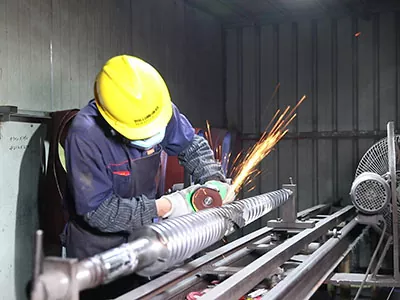
It is also the part you will replace more than once over the machine’s life, so specifying it well from the start pays off. A correctly matched screw barrel — right base steel, right surface, right tolerance — runs longer between changes and holds your output steady, whether it sits in a conical or a parallel machine.
Why Work With Nanhaiya
We have spent more than twenty years building both — conical twin screw and parallel twin screw assemblies, plus single screw, in 38CrMoAlA nitrided steel and bimetallic alloys with bore hardness up to 62 HRC. Because we make every type, our engineers point you to the configuration your material actually needs rather than the one that is easiest to sell, and we build replacements that fit major machine brands. Send your material, output, and machine, and you will have a recommendation within twelve hours. Need a replacement conical or parallel screw barrel for an existing machine? Send the model or a drawing and we will match it.
Conical, parallel, or not sure yet? Send your material and output — get a recommendation within 12 hours.
Send InquiryFrequently Asked Questions
What’s the difference between a conical and parallel twin screw?
The screws. A conical twin screw is tapered — wide at the feed, narrow at the discharge — which gives a big feed throat and high torque at low speed, perfect for rigid PVC. A parallel twin screw keeps a constant diameter and uses modular screw elements you can reconfigure, which makes it the versatile choice for compounding and high output.
Which twin screw is better for PVC pipe?
For rigid PVC pipe and profile, conical is the traditional pick — especially on small and mid-size lines. The wide feed throat handles dry-blend powder, and the counter-rotating action gives gentle, controlled heat. Big parallel counter-rotating machines run PVC too, usually at higher output.
Can a parallel twin screw do what a conical one does?
Mostly, and a lot more besides, because its modular screws configure for many jobs. But for a compact rigid PVC pipe line at modest output, a conical machine is often simpler and more cost-effective. Parallel earns its keep when you need flexibility, compounding, or real tonnage.
Do conical and parallel twin screws use different barrels?
Yes. A conical barrel has a tapered figure-eight bore; a parallel barrel has a constant-diameter one. The base steel and surface treatment — 38CrMoAlA nitriding or a bimetallic alloy layer — are the same options for both, but the bore geometry is cut for the specific screw type and machine.
Which costs more?
For a small rigid PVC line, a conical machine is usually the more compact and cost-effective option. Parallel machines tend to cost more, but they scale to much higher output and offer reconfigurable screws — so compare value for your job, not sticker price.