
Use a single screw extruder for straightforward, high-volume jobs — pipe, profile, sheet, and film — where it delivers steady output at a lower cost. Choose a twin screw extruder when you need intensive mixing, compounding, reactive processing, or to run powders, fillers, and heat-sensitive materials like rigid PVC. The short version: single screws pump, twin screws mix. The screw barrel material matters in both.
It is one of the first questions in any extrusion project, and getting it wrong is expensive. A single screw extruder and a twin screw extruder are built for different work — one is a pump, the other is a mixer — and choosing on price or habit instead of on what your material actually needs leads to either poor product quality or a machine that is overbuilt for the job.
We make screws and barrels for both, so we have no reason to push you toward one or the other. This guide lays out the real difference between a single screw vs twin screw extruder, what each does best, and how to make sure the screw barrel itself is specified for your material.
What Is a Single Screw Extruder?
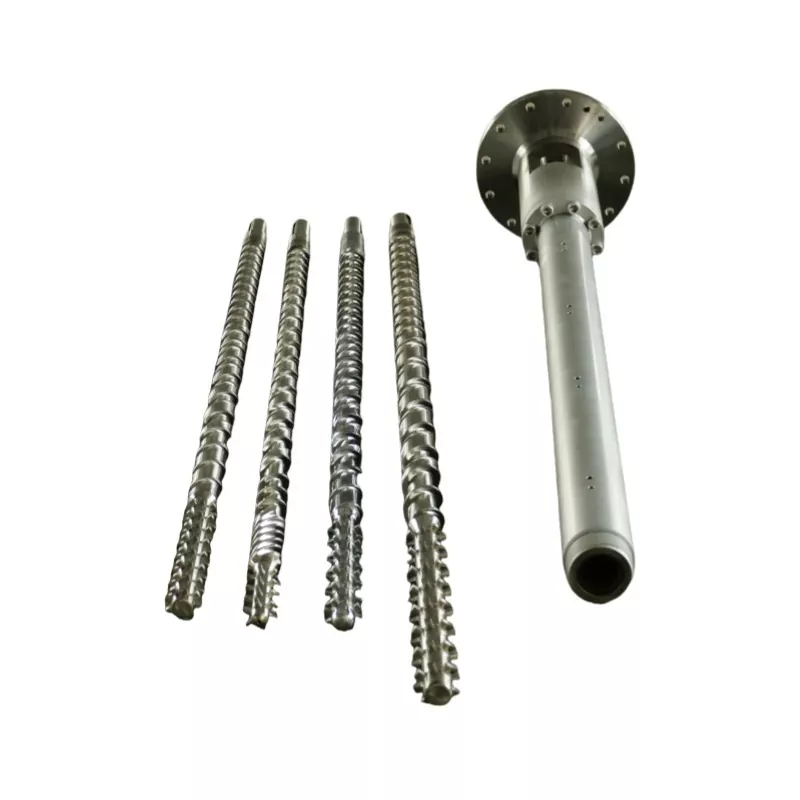
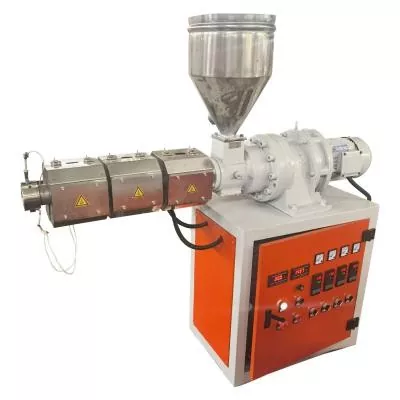
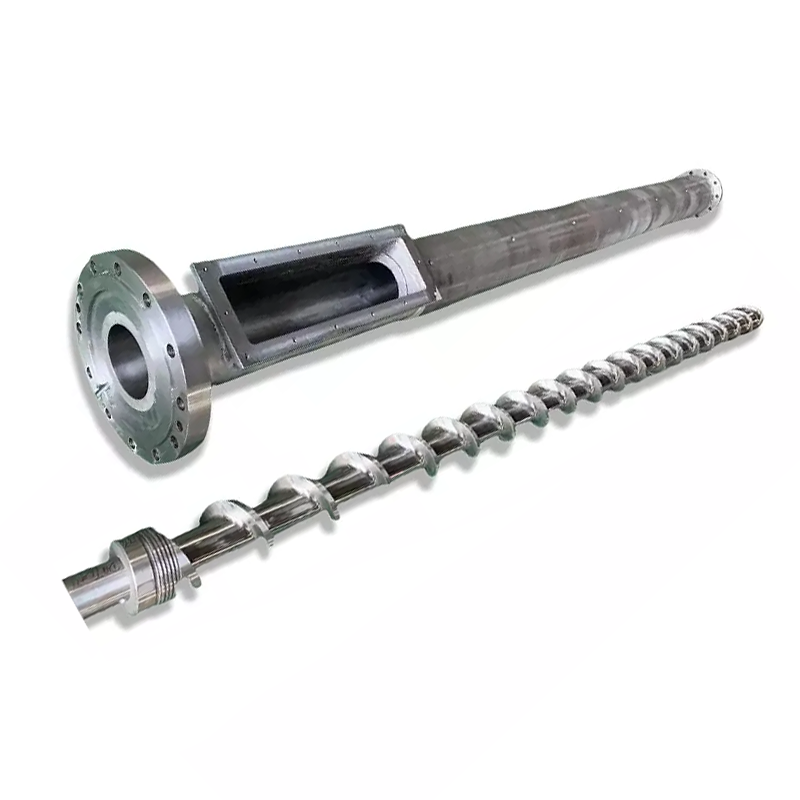
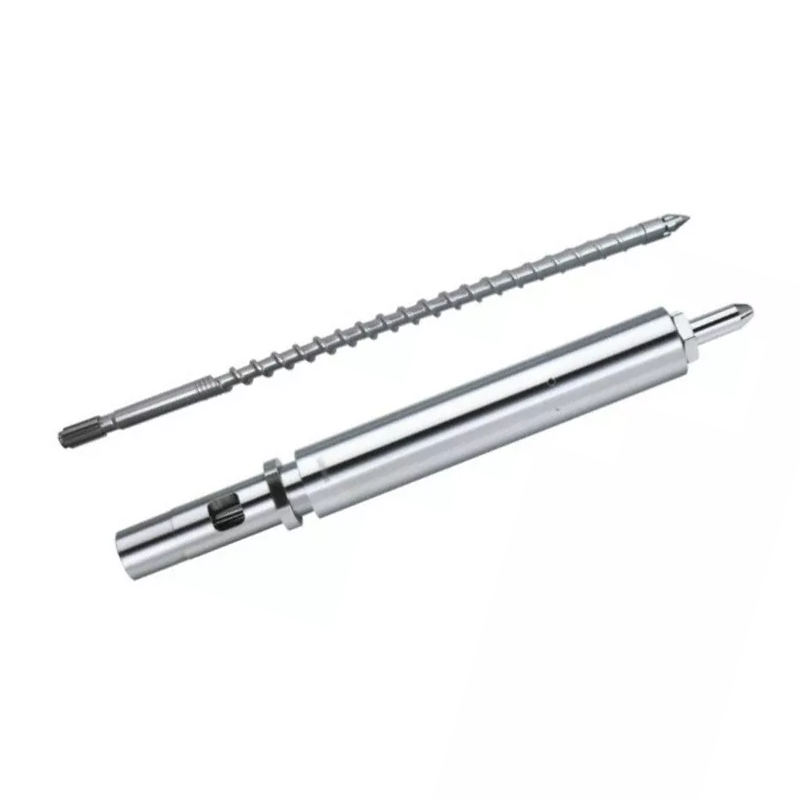
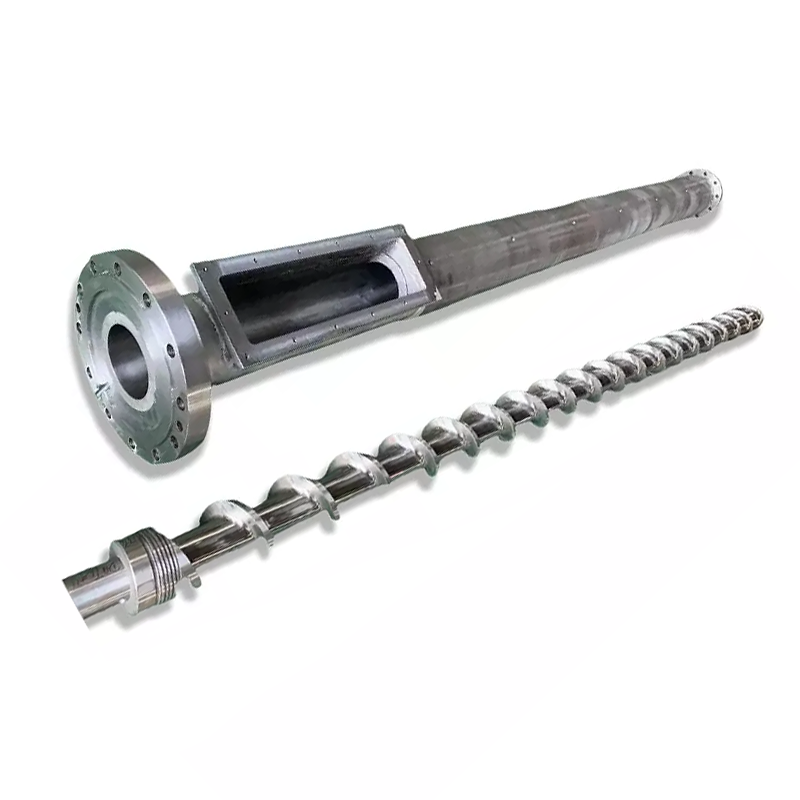
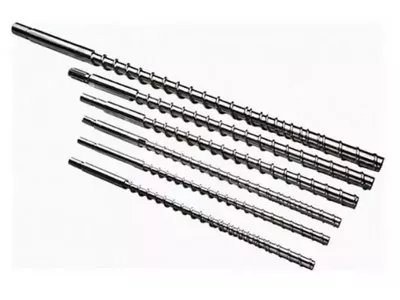
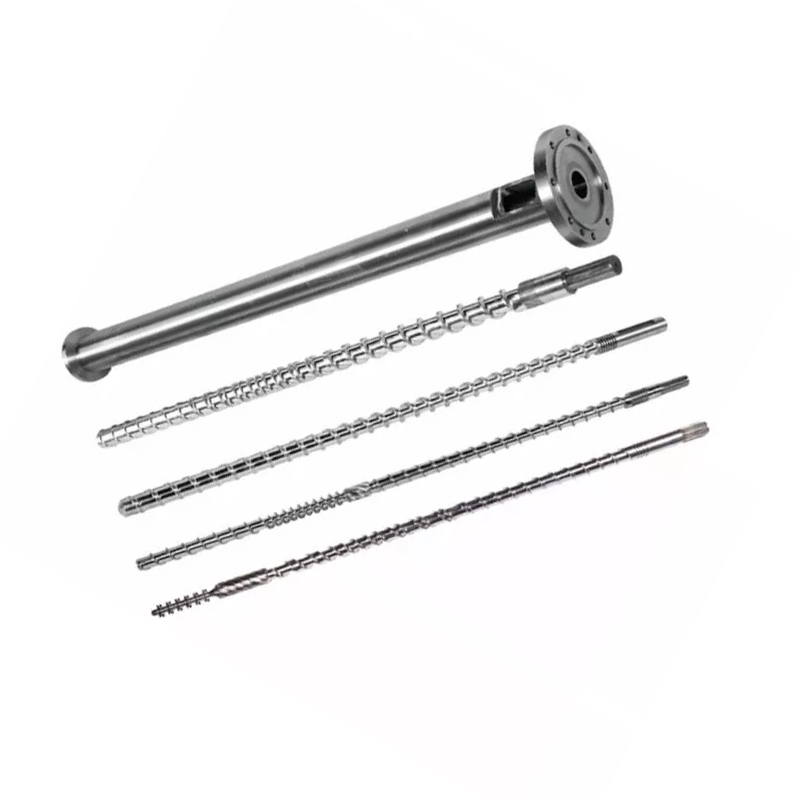
A single screw extruder runs one rotating screw inside a heated barrel. The screw’s job is simple: take solid feed at one end, melt it through heat and shear, and pump a uniform melt out the other end at steady pressure. The geometry — feed, compression, and metering zones — is tuned for conveying and building pressure, not for aggressive mixing.
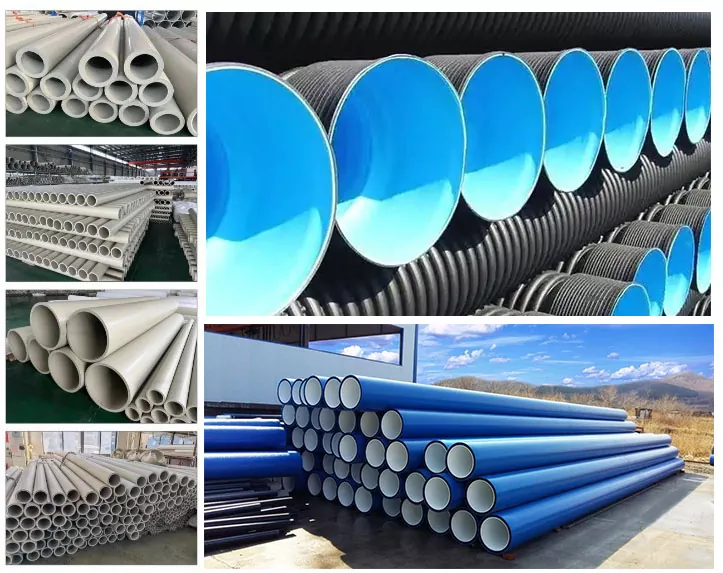
That simplicity is the strength. Single screw extruders are economical, reliable, easy to operate, and excellent at high-volume throughput of one consistent material. They run most of the world’s pipe, profile, sheet, film, and wire-coating lines. What they do not do well is intensive distributive mixing, or handling materials that demand precise, controlled compounding.
What Is a Twin Screw Extruder?
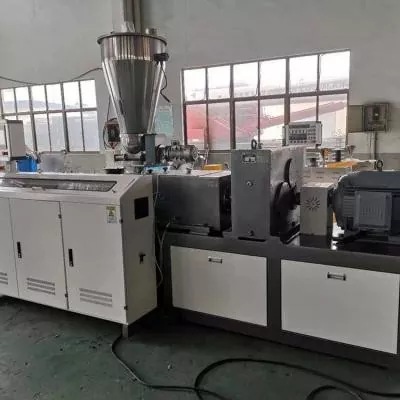
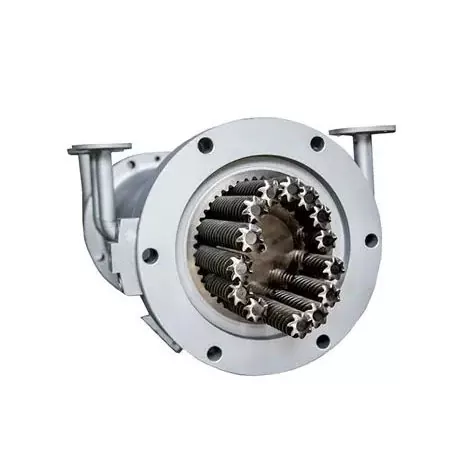
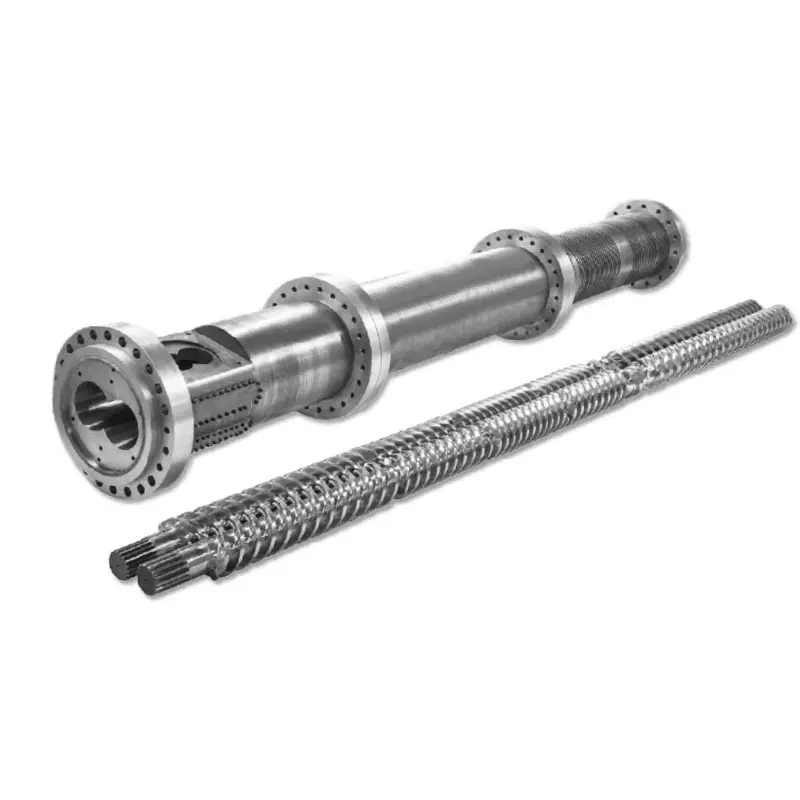
A twin screw extruder runs two screws side by side in a figure-eight barrel bore. The two screws intermesh, and that interaction is the whole point: it creates intensive mixing, positive conveying, a self-wiping action, and tight control over shear and residence time. Where a single screw pumps, a twin screw kneads.
That makes twin screws the tool for compounding, masterbatch, reactive extrusion, devolatilization, and feeding the powders or fillers that a single screw struggles with. They handle heat-sensitive materials like rigid PVC well, because the positive conveying gives precise control over how long the material spends in the heat. The trade-offs are higher cost and more mechanical complexity.
Single Screw vs Twin Screw: Key Differences
Side by side, the split is clear. The table compares them on the factors that decide a purchase.
| Factor | Single Screw Extruder | Twin Screw Extruder |
|---|---|---|
| Primary action | Conveying & pumping | Mixing & compounding |
| Mixing capability | Limited (distributive only) | Excellent and controllable |
| Best-fit materials | Single, consistent resins | Compounds, fillers, powders, heat-sensitive |
| Typical products | Pipe, profile, sheet, film, wire | Compounds, masterbatch, WPC, reactive |
| Powder / filler feeding | Difficult | Easy |
| Residence-time control | Basic | Precise |
| Cost | Lower | Higher |
| Operation | Simple | More complex |
How Single and Twin Screw Designs Differ
The difference in capability comes straight from how the two are built. A single screw is one shaft with three zones along its length: a feed zone that takes in solid pellets, a compression zone where the channel shallows to melt and compact them, and a metering zone that pumps the melt forward at steady pressure. One screw, one barrel bore, one job done well.
A twin screw is modular. Two intermeshing shafts are assembled from segments — conveying elements to move material, kneading blocks to mix it — so the screw profile can be configured for a specific compound and reconfigured when the job changes. The screw barrel is a figure-eight bore that houses both screws, often built in heated, swappable sections. That modularity is what gives a twin screw its mixing power and flexibility, and it is also why a twin screw barrel costs more and demands more precise manufacturing. On both machines, the clearance between screw and barrel is what determines output and melt quality, so build tolerance matters as much as the configuration.
When to Choose a Single Screw Extruder
Reach for a single screw when the job is high-volume extrusion of one consistent material and intensive mixing is not part of the equation. Pipe, profile, sheet, film, wire coating — this is single screw territory, and the economics are hard to beat. It is also the right call when budget matters, when operators need a machine that is simple to run, or when the line will produce the same product day in and day out. If your material is already compounded and you just need to shape it, a single screw does that job well and cheaply.
When to Choose a Twin Screw Extruder
Choose a twin screw the moment your process needs mixing rather than just shaping. That covers compounding and masterbatch production, blending fillers like glass fiber or calcium carbonate, reactive extrusion, devolatilizing, and feeding powders. It is also the better choice for heat-sensitive materials such as rigid PVC, where precise residence-time control protects the polymer. You pay more upfront and the machine asks more of the operator, but for these jobs a single screw simply cannot deliver the same product quality.
Types of Twin Screw Extruders
“Twin screw” is not one machine. Two distinctions matter when you specify one:
Co-Rotating vs Counter-Rotating
In a co-rotating twin screw the screws turn in the same direction. This gives high distributive mixing and self-wiping, which is why co-rotating machines dominate compounding and masterbatch. In a counter-rotating twin screw the screws turn in opposite directions, generating high pressure and strong positive conveying — a common choice for rigid PVC profile and pipe.
Parallel vs Conical
A parallel twin screw keeps a constant diameter along its length and is the versatile workhorse for most compounding. A conical twin screw tapers from a wide feed end to a narrow discharge, which gives a larger feed throat and more torque at low speed — the classic configuration for rigid PVC pipe and profile on small and mid-size lines. We cover this trade-off in more detail in our conical vs parallel twin screw guide.
Common Mistakes When Choosing Your Extruder
A few costly errors come up again and again:
- Buying a twin screw when a single screw would do. If you are simply shaping one consistent material, the mixing power of a twin screw is capability you pay for and never use.
- Buying a single screw and then trying to compound on it. A single screw cannot deliver intensive mixing no matter how you tune it — you will fight melt quality forever.
- Copying a competitor’s setup without matching your own material. The right machine depends on your resin, fillers, and output, not on what worked for someone running a different formulation.
- Ignoring the screw barrel surface. Processors choose the machine type with care, then fit a standard nitrided barrel for an abrasive or corrosive material and watch it wear out early.
Get the machine type and the screw barrel specification right together and the line runs in spec for years. Get either wrong and you pay for it in quality, downtime, or wasted capital.
A Simple Way to Decide
If you are still on the fence, three questions usually settle it:
- Does your material need mixing, or just shaping? Mixing — compounds, fillers, masterbatch — points to a twin screw. Shaping one ready-made resin points to a single screw.
- How varied is your product mix? A line running many formulations benefits from a twin screw’s reconfigurable profile; a line running one product all day does not.
- What is your budget, and how complex a machine can your team run? Single screws win on both cost and simplicity when the process allows it.
Answer those honestly and the choice is usually obvious. When it is not — often because the material sits on the boundary — talk to a maker who builds both and can match the screw and screw barrel to your exact compound.
Do Not Forget the Screw Barrel
Single or twin, the screw barrel is the part that actually wears, and its material decides how long the machine holds output and quality. Abrasive or corrosive materials — glass-filled compounds, rigid PVC, recycled feedstock — call for a bimetallic barrel; clean resins are served well by a nitrided one. That choice matters as much as single-versus-twin, and we walk through it in our guide to bimetallic vs nitrided screw barrels. Specify the wrong surface and even the right machine type will wear out early.
It is also the part you will replace more than once over the machine’s life, so it pays to specify it well from the start. A correctly matched screw barrel runs longer between replacements, holds output, and protects product quality — whichever machine type it sits in.
Why Work With Nanhaiya
We have spent more than twenty years making screws and barrels for both worlds — single screw, parallel twin screw, and conical twin screw assemblies in 38CrMoAlA nitrided steel and bimetallic alloys, with bimetallic bore hardness up to 62 HRC. Because we build every type, our engineers recommend the configuration and surface your material actually needs, and we make replacements compatible with major machine brands. Tell us your material, machine, and output and you will have a tailored recommendation within twelve hours.
Not sure which screw and barrel your process needs? Send your material and machine details — get a recommendation within 12 hours.
Send InquiryFrequently Asked Questions
What’s the real difference between a single and twin screw extruder?
Think of it as pump versus mixer. A single screw turns one shaft to push melt forward — great when you’re running one steady material and just need it shaped and pumped out. A twin screw meshes two shafts together, and that meshing is what does the heavy mixing. So if the job is compounding, blending fillers, or handling powders, you want twin. Straight extrusion of a consistent resin? Single is plenty.
Is a twin screw actually better than a single screw?
Not really — they’re built for different jobs, so “better” depends on yours. Need intensive mixing, masterbatch, or reactive work? Twin wins. Pushing high volumes of one resin into pipe, profile, or film? A single screw does it cheaper and with less fuss. Buying the wrong one for the job is the only real mistake.
Can I just use a twin screw instead of a single screw?
You can — a twin screw handles most single-screw work and plenty more besides. But it costs more to buy and run, and it asks more of whoever’s operating it. For plain high-volume extrusion of one material, that extra capability sits idle while you pay for it. Unless you need the mixing or the freedom to switch formulations, stick with the single screw.
Which one’s better for PVC?
For rigid PVC, most processors go twin — counter-rotating or conical especially — because the positive conveying keeps tight control over how long this heat-sensitive material stays hot. One thing regardless of which you pick: spec a bimetallic screw barrel. PVC is corrosive, and a bimetallic surface holds up where a plain nitrided one won’t.
Do the two use the same screw barrel?
No. A single screw sits in one round bore; a twin screw needs a figure-eight bore machined for two. The steel and the surface treatment — 38CrMoAlA nitriding, or a bimetallic alloy layer — carry over between them, but the bore geometry is cut specifically for your screw type and your machine. Not interchangeable.