News

How can the screw meet wear resistance and high-precision processing requirements?

2026-05-11 0 Leave me a message

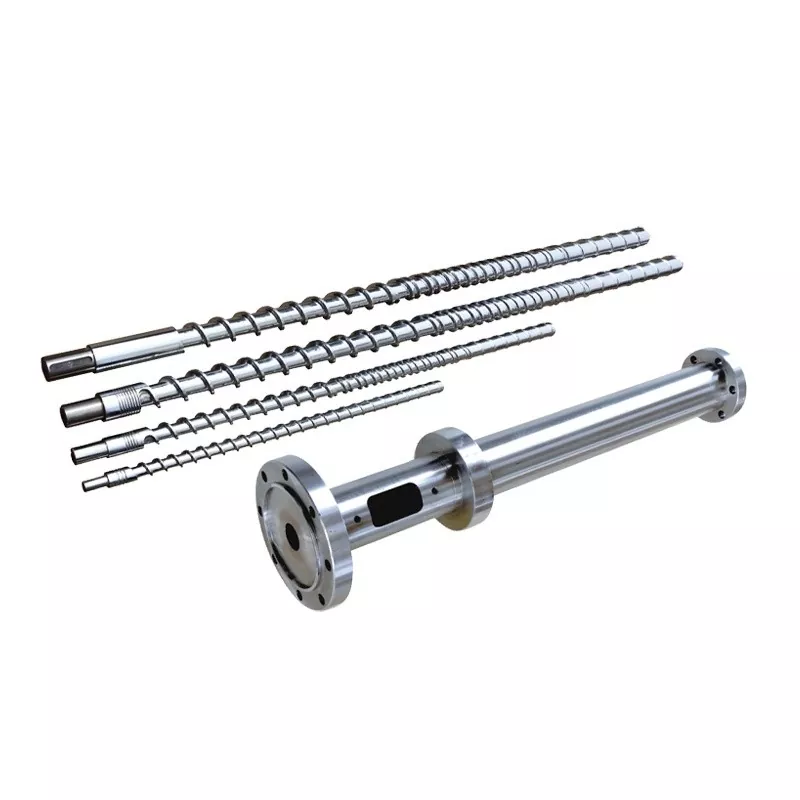
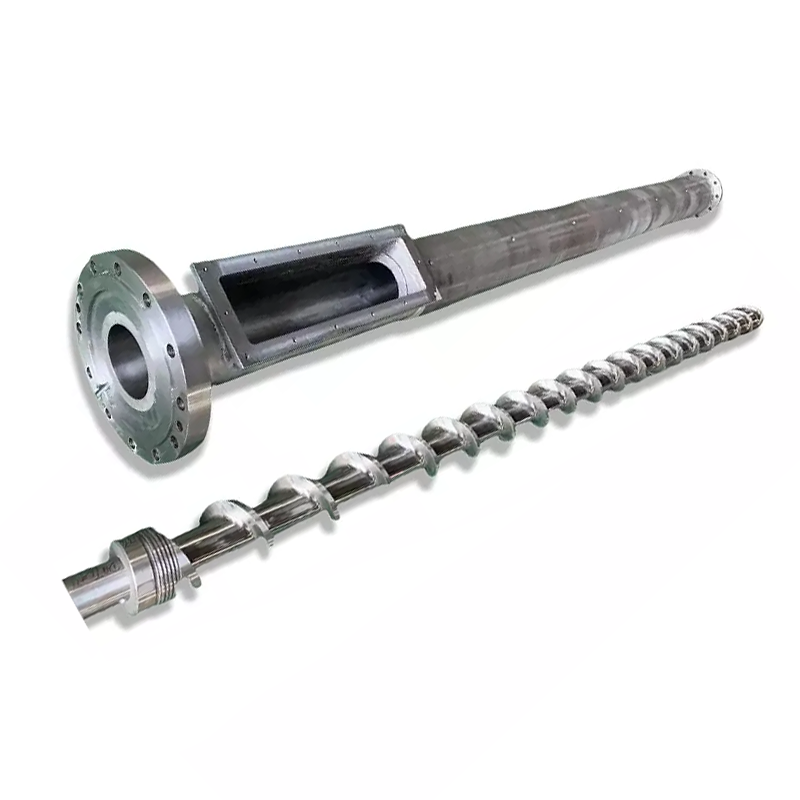
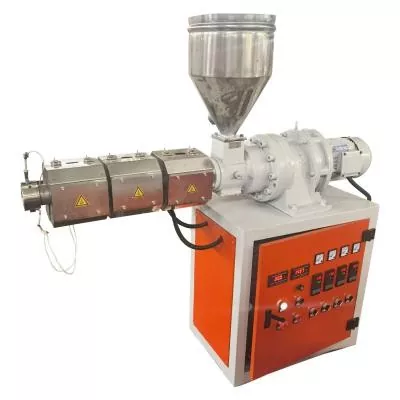
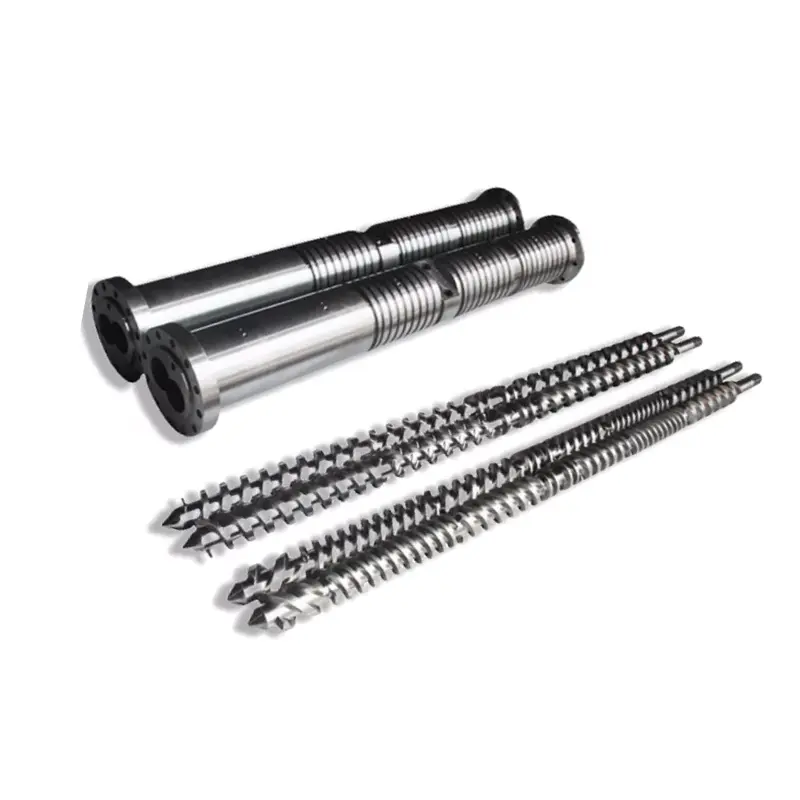
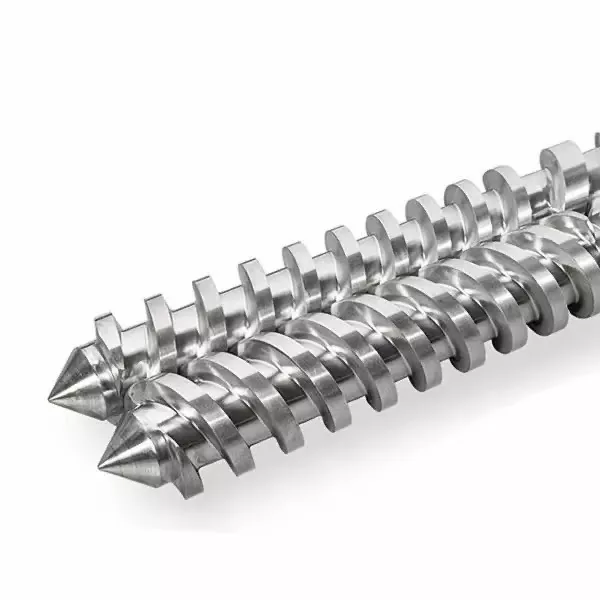
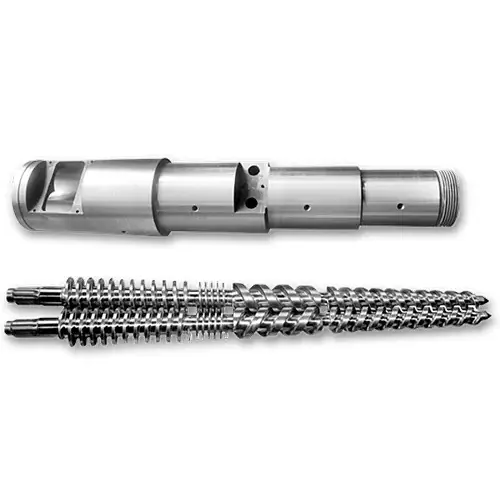
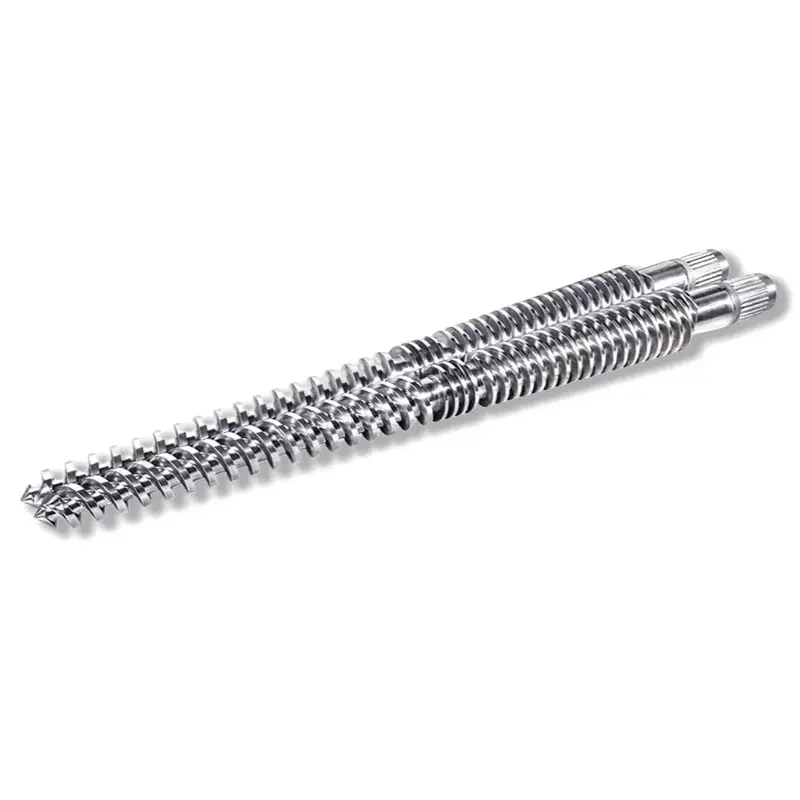
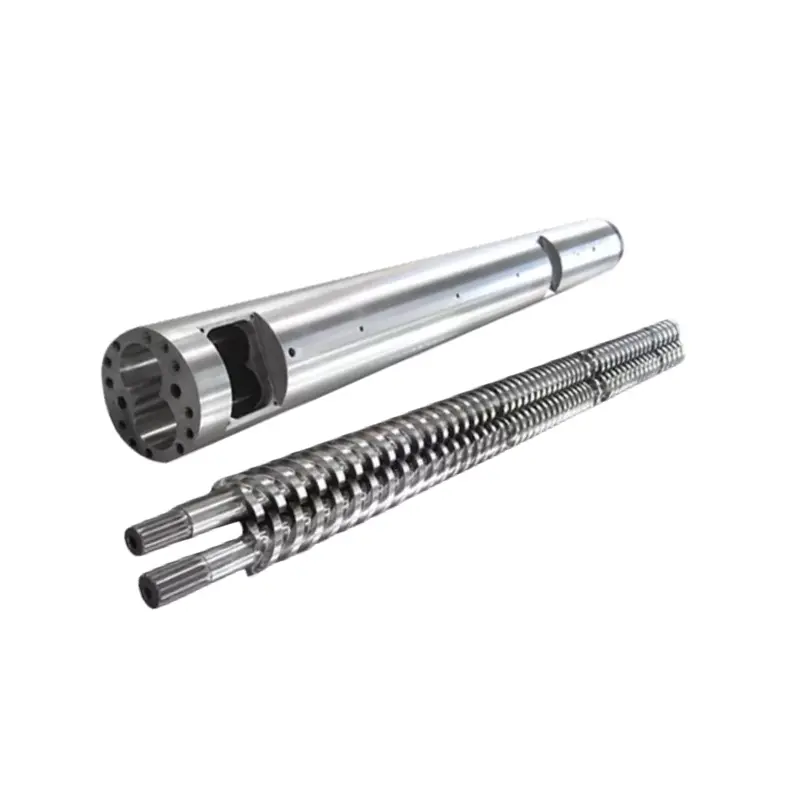
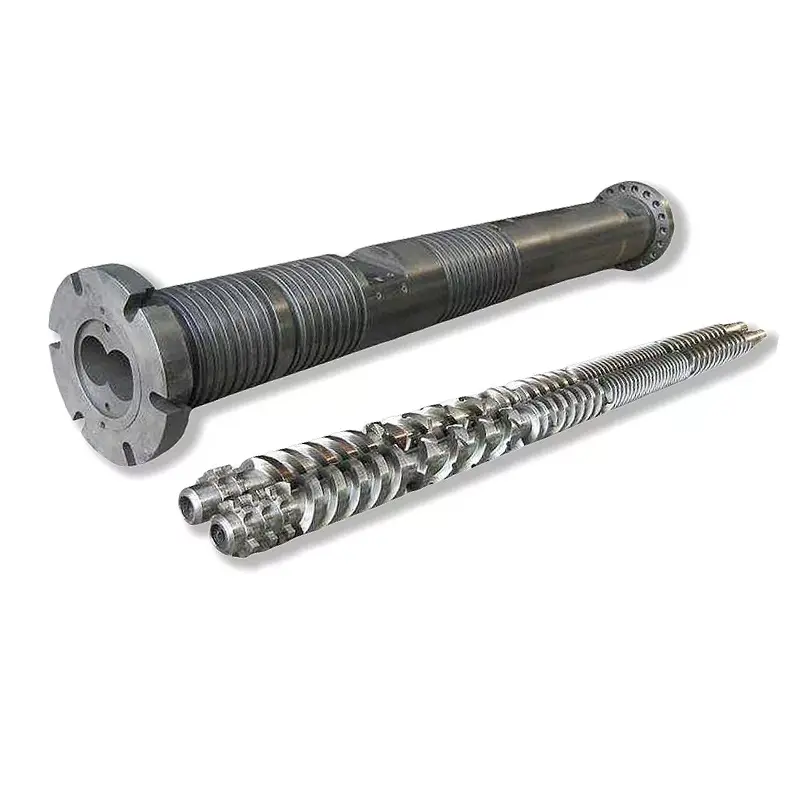
In the field of plastic extrusion and injection molding, the single screw is the core power component of the entire production line. Well‑designed and precision‑manufactured, it not only determines the stability of material conveying and plasticizing quality, but also directly affects the dimensional accuracy of finished products and production continuity. Faced with complex materials containing glass fiber, calcium carbonate, mineral fillers, and corrosive additives, maintaining excellent wear resistance and stable processing accuracy for this key part under long‑term high load, high friction and high temperature has become a technical focus for equipment managers and process engineers.

single-screw

Wear and Corrosion: Primary Causes Based on Production Data

Factors leading to premature screw surface failure are directly related to the characteristics of the processed materials. Different materials produce different damage mechanisms on a Single Screw, requiring targeted protection solutions. The table below summarizes three common types of material damage and their effects:

Material Type / Condition Main Damage Mechanism Specific Effect on Single Screw
Glass fiber, calcium carbonate, mineral fillers Abrasion and cutting by hard particles Screw flight edges become rounded, conveying efficiency drops, clearance increases
PVC, EVA, TPR and other heat‑sensitive materials Corrosive gases (e.g., HCl) released at high temperature Micro‑pores and pitting on metal surface, strength degradation
High‑viscosity melt or recycled material Local overheating due to high shear stress Accelerated surface fatigue wear, cracks or spalling


In actual production, abrasive wear and chemical corrosion often alternate, further accelerating the deterioration of a screw. Therefore, a complete protection system must be built from three aspects: material, heat treatment, and surface engineering.

Key Technical Paths to Improve Wear Resistance and Precision

Core Processes: Systematic Protection from Base Material Treatment to Hardfacing Coating

To achieve both high wear resistance and high precision, professional manufacturers typically adopt the following stepwise process system:

  • Base material quenching and tempering – Use 38CrMoAlA alloy steel, perform quenching and high‑temperature tempering to obtain a uniform tempered sorbite structure, eliminating forging stress and providing good core toughness.
  • Precision grinding – Use high‑precision cylindrical and CNC thread grinders to ensure geometric accuracy of the flight profile. The straightness, pitch tolerance, and surface roughness of a Single Screw are controlled to micron level, reducing melt backflow and local friction.
  • Surface nitriding – Apply gas or ion nitriding to form a 0.3–0.6 mm white layer on the screw surface, achieving surface hardness of HV900–1100, greatly improving abrasive wear resistance while retaining core toughness.
  • Electroplating or electroless plating – For highly corrosive materials (e.g., PVC, fluoroplastics), add hard chromium or electroless nickel layer over the nitrided layer to seal micro‑pores and enhance corrosion resistance, while reducing melt adhesion.
  • Dual‑alloy spray welding (PTA or laser cladding) – For highly abrasive materials such as glass fiber, calcium carbonate, or recycled material, apply nickel‑based or cobalt‑based alloy on the flight tips, achieving hardness over HRC60. This composite structure allows the screw to maintain stable plasticizing capacity and precise clearance under high‑speed extrusion and corrosive environments.

Precision Machining and Process Matching: Ensuring Uniform Plasticizing and Product Consistency

High precision is not only about the screw’s own dimensional tolerances, but also about controlling the clearance between the screw flight outer diameter and the barrel inner wall. Experience shows that controlling the clearance between a Single Screw and the barrel within 0.10–0.20 mm (depending on diameter) significantly reduces melt leakage and increases specific output. In addition, optimized geometric parameters (compression ratio, L/D ratio) matched with grooved barrel feed bushings can achieve high shear plasticizing at lower screw speeds, reducing melt temperature by about 10°C, thereby improving product surface quality and dimensional stability.

Total Solutions for Harsh Operating Conditions

For special materials such as wood‑plastic composite (WPC), highly filled engineering plastics, and recycled materials, leading manufacturers have shifted from simple part processing to integrated technical services covering “material selection – process design – post‑treatment”.

For example, for reinforced nylon containing more than 30% glass fiber, a screw can be designed with variable pitch and variable channel depth, with rounded transitions at the flight root to reduce stress concentration. Combined with dual‑alloy spray welding and mirror polishing (surface roughness Ra ≤ 0.05 μm), this reduces carbon deposit risk and facilitates cleaning.

single-screw

Conclusion: Long‑Term Value of Investing in a High‑Performance Screw

In summary, a Single Screw manufactured with precision design and multiple protective treatments not only significantly extends its own service life, but also improves extrusion and injection molding energy efficiency, reduces maintenance frequency, and ensures product quality consistency. When plastic processing companies choose a manufacturer like Zhoushan Nanhaiya Plastic Machinery Co., Ltd. – which possesses a complete process chain, precision machining equipment, and extensive industry experience – they gain one‑stop technical assurance from screw material, heat treatment to surface coating, laying a solid foundation for long‑term stable production.

Related News
Leave me a message
X
We use cookies to offer you a better browsing experience, analyze site traffic and personalize content. By using this site, you agree to our use of cookies.Privacy Policy
RejectAccept