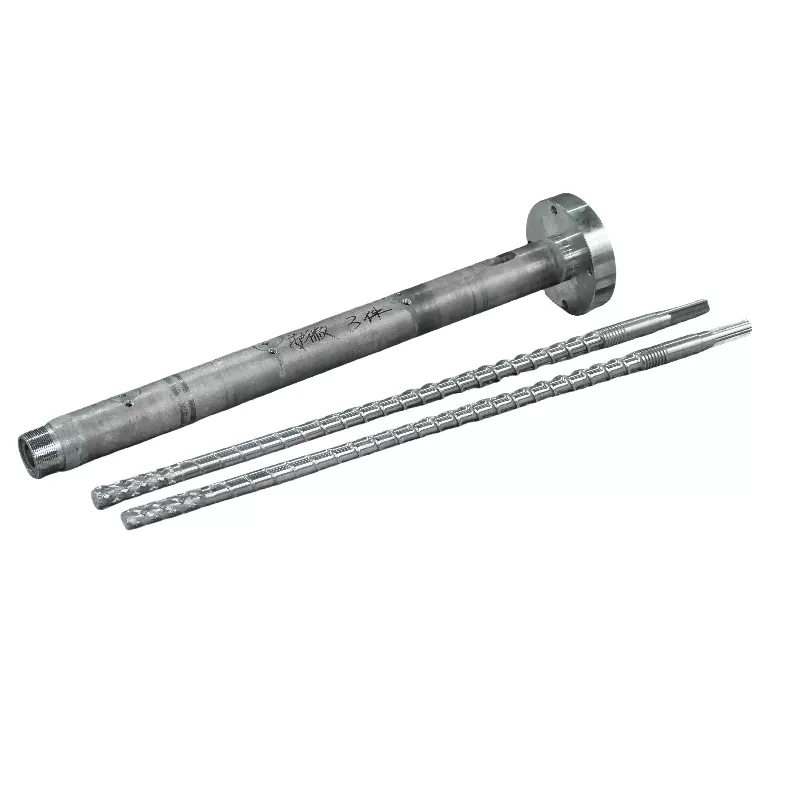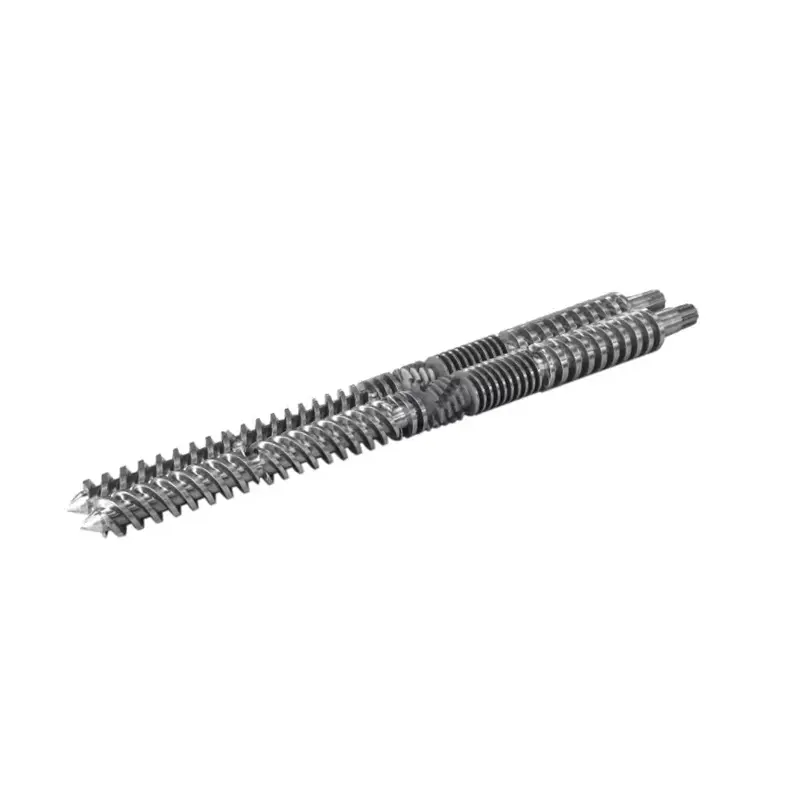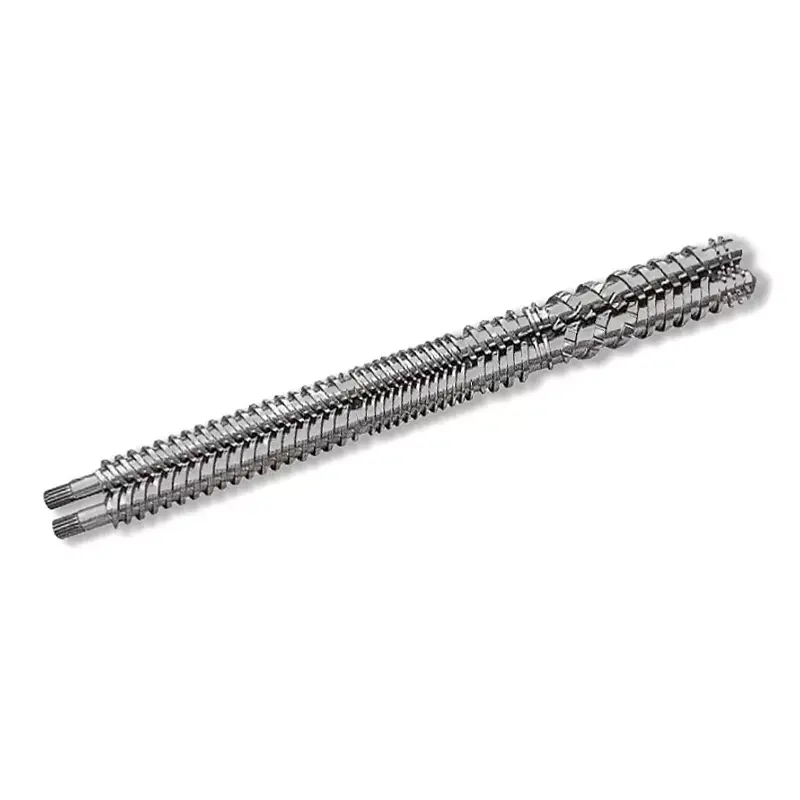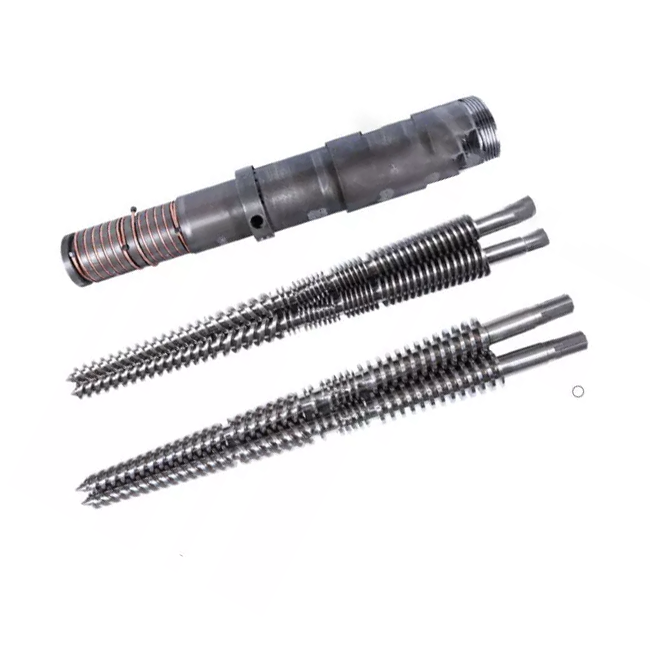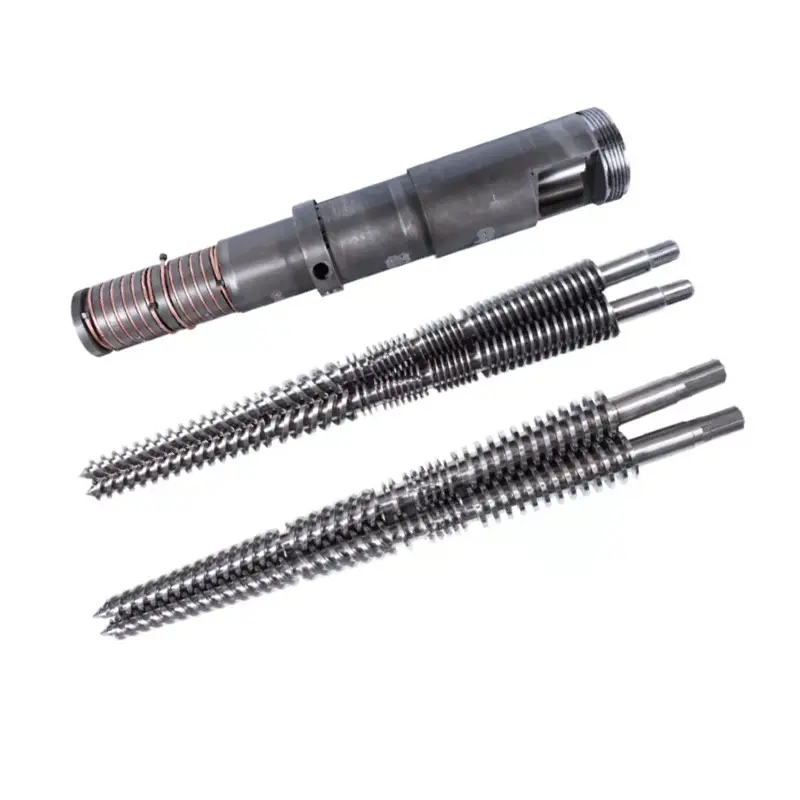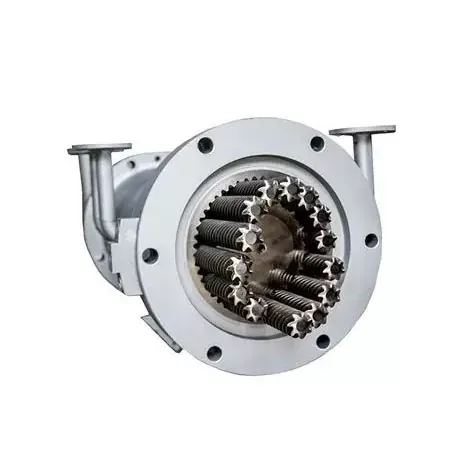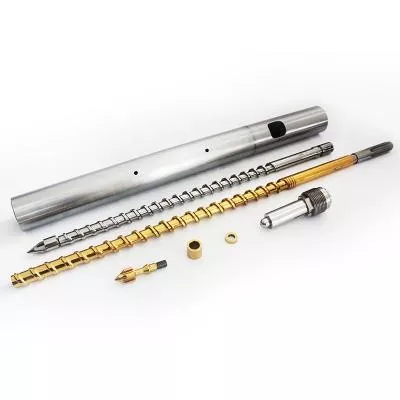

A worn injection molding screw barrel warns you before it fails. Watch for five signs: drifting shot weight, black specks that return after cleaning, rising motor load at the same output, splay or surface defects, and slow screw recovery. One of these can have other causes; two or three together, trending the wrong way over weeks, point squarely at a worn screw and barrel. Confirm with a caliper before you replace.
A screw barrel rarely fails all at once. The clearance between the screw and the barrel opens up slowly, and long before anything breaks, that gap shows up as small problems on the parts you make. Learn to read them early and you can plan a replacement instead of reacting to a line stoppage.
Here are the five signs we tell customers to watch for, and how to tell wear apart from the other things that cause the same symptoms.
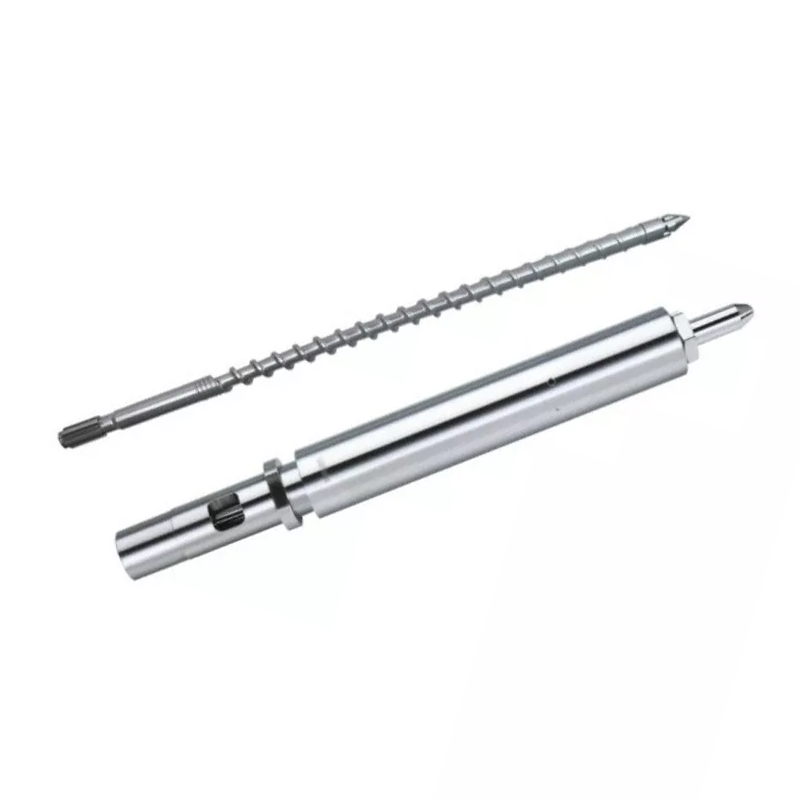
Why a Worn Barrel Signals Before It Fails
The screw and barrel work by holding a tight clearance between them, usually a fraction of a millimeter. That tight gap is what lets the screw build pressure and meter a consistent shot.
As abrasive or corrosive material wears the screw flights and the barrel bore, the gap widens. Melt starts slipping backward over the flights instead of moving forward. Nothing looks broken, but every job the machine does gets a little less consistent. The five signs below are all versions of that one underlying problem: lost clearance.
1. Shot Weight Drifts
This is usually the first sign, and the most reliable. When the clearance opens up, melt leaks backward past the screw tip and non-return valve during injection. The shot weight that held steady for years starts to wander, and parts that used to be identical now vary from cycle to cycle.
Before you condemn the barrel, rule out the non-return valve. A worn check ring produces the same drifting shot weight, and it is a much cheaper fix. If a new valve does not restore consistency, the clearance itself has opened up.
2. Black Specks Keep Coming Back
Every molder gets the occasional black speck. The warning sign is when they return right after a full purge and cleaning.
Worn clearance creates dead spots where a thin film of melt clings to the barrel wall instead of moving forward. That film sits hot, degrades, and periodically breaks loose into the shot as a black speck or brown streak. Clean the machine and the specks disappear for an hour, then come back, because the worn geometry that traps material is still there.
On PVC this shows up faster and worse, because degraded PVC both discolors and corrodes the steel it sits against, which widens the clearance further. It becomes a loop.
3. Motor Load Climbs at the Same Output
Watch the drive load at a fixed screw speed and output. If it trends upward over weeks with no change to the material or process, something is adding drag.
Worn clearance, slight screw misalignment, and degraded material building up on the flights all raise the load the motor has to overcome. On its own, rising motor load is ambiguous. Paired with drifting shot weight or returning specks, it points at a worn screw and barrel.
4. Splay Marks and Surface Defects
Splay, silver streaking, and general surface haze usually mean gas or moisture in the melt. Once you have ruled out wet resin and confirmed your drying is working, a worn barrel becomes the suspect.
A screw that no longer meters cleanly leaves inconsistent melt pressure and traps gas that should have been worked out. The defect shows on the part surface. If the same resin used to mold clean and now splays with no process change, the screw geometry may have drifted out of spec.
5. Screw Recovery Slows Down
If recovery time creeps up and starts eating into your cycle, the screw is no longer conveying melt as efficiently as it did. Worn flights push less material forward per turn, so the screw needs more time, or more speed, to charge the same shot.
A little extra recovery time on its own might just mean a process tweak is due. A steady climb over weeks, alongside any of the signs above, is the barrel telling you its working clearance is gone.
How to Confirm Wear With a Caliper
The five signs tell you to look. Measurement tells you for sure. Do not replace a barrel on symptoms alone; confirm the numbers first.
- Measure the screw flight outer diameter with a micrometer at several points along the screw, especially toward the metering end where wear concentrates.
- Measure the barrel bore inner diameter with a bore gauge at matching points.
- Calculate the radial clearance as half the difference between bore ID and screw OD.
- Compare against the original build clearance on your drawing.
Wear is rarely uniform. The screw and barrel wear most where pressure and shear peak, which is usually toward the metering and discharge end. Measure at several points so you catch the worst spot rather than averaging it away. If you do not have the original build clearance, send us the screw and barrel size and we can reference the standard tolerance for that geometry.
Rule of thumb: when radial clearance reaches roughly two to three times the original build clearance, output and melt quality have usually degraded enough to justify replacement or a rebuild. Confirm against your own drawing, because the exact figure depends on diameter.
Repair or Replace?
Not every worn set needs full replacement. Which way to go depends on what is worn and how far.
| Situation | Usual path |
|---|---|
| Screw worn, barrel still within tolerance | Rebuild or replace the screw; keep the barrel |
| Barrel worn, screw still good | Re-line or replace the barrel to restore clearance |
| Both worn together | Replace as a matched set for the machine's full service life |
| Same wear returns fast on abrasive resin | Upgrade material treatment, not just dimensions |
That last row matters. If a nitrided barrel keeps wearing out quickly on glass-filled or filled material, replacing it with another nitrided barrel just resets the same countdown. The fix is a harder surface, not another identical part. Our bimetallic vs nitrided guide covers when the upgrade pays for itself.
Worn barrel killing your output? Send your screw and barrel size, machine model, and the material you run. We measure against tolerance and quote a replacement within 12 hours.
Get a Replacement QuoteWhy Work With Nanhaiya
Nanhaiya has manufactured screws and barrels for over twenty years and serves 500+ clients worldwide. Our injection molding screws are built from 38CrMoALA alloy steel, gas-nitrided to a 0.5–0.8 mm layer at 950–1050 HV, with a service life of roughly 10,000–20,000 hours on standard resins.
When a worn set comes back for measurement, we match the replacement to your actual conditions, not just the old dimensions. If abrasive or corrosive material shortened the life of the last barrel, we specify a harder or corrosion-resistant treatment, spraying hard alloy the full circle around the wear zone to bring bore hardness to 62 HRC where the feed demands it. For non-standard machines, our engineers rebuild the geometry from the drawing or a sample.
Send your machine model and the screw and barrel size, and you get a quote within 12 hours.
Frequently Asked Questions
How do I know if my screw barrel is worn out?
Watch for drifting shot weight, black specks that return after cleaning, rising motor load at the same output, splay or surface defects, and slow screw recovery. Any one can have another cause, but two or three together, trending worse over weeks, point at a worn screw and barrel. Confirm by measuring the clearance against the original build drawing.
What causes shot weight to become inconsistent?
Two main causes: a worn non-return valve, or worn screw-to-barrel clearance letting melt slip backward during injection. Check the valve first, because it is the cheaper fix. If a new valve does not restore consistency, the barrel clearance has likely opened past tolerance.
How much clearance means a screw barrel needs replacing?
As a rule of thumb, when radial clearance reaches roughly two to three times the original build clearance, output and melt quality have degraded enough to justify replacement or a rebuild. The exact figure depends on screw diameter, so confirm against your own build drawing.
Can I replace just the screw and keep the barrel?
Yes, if the barrel still measures within tolerance. Wear is often uneven, so measure both before deciding. If the screw is worn but the barrel is good, rebuilding or replacing the screw alone restores clearance. If both are worn, replace them as a matched set.
Why does the same barrel keep wearing out quickly?
Fast repeat wear usually means the surface treatment does not match the material. Glass fiber, mineral fillers, and corrosive resins wear through a standard nitrided layer quickly. Replacing it with another nitrided barrel resets the same short countdown; the fix is a bimetallic or corrosion-resistant surface, not another identical part.