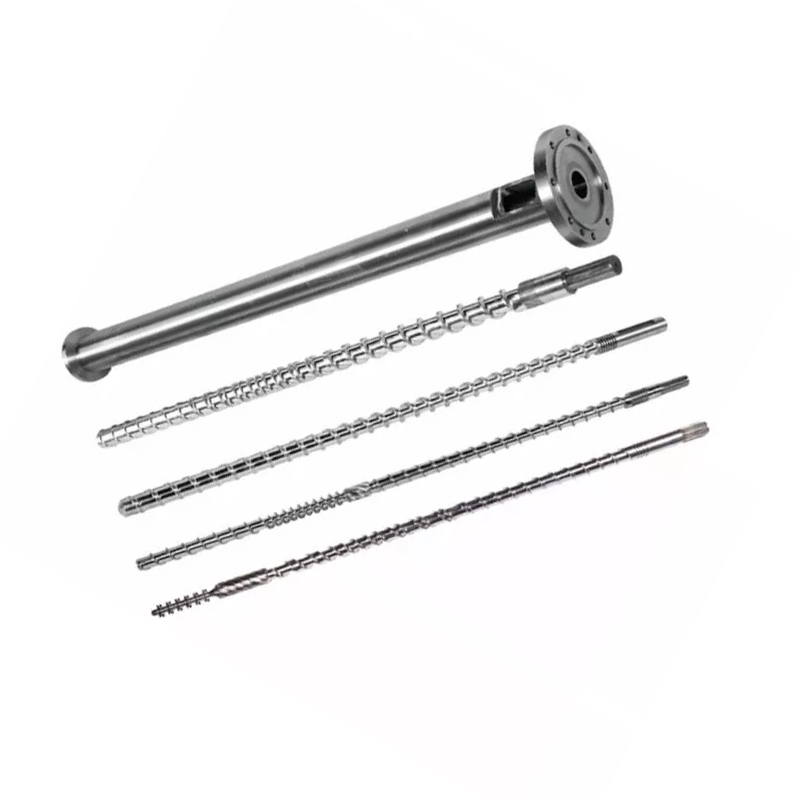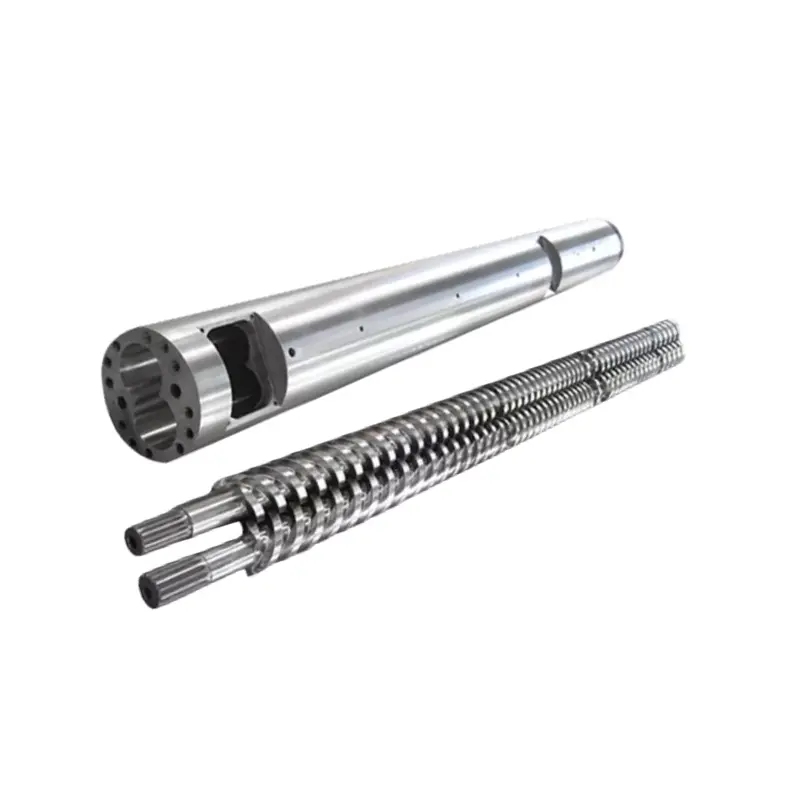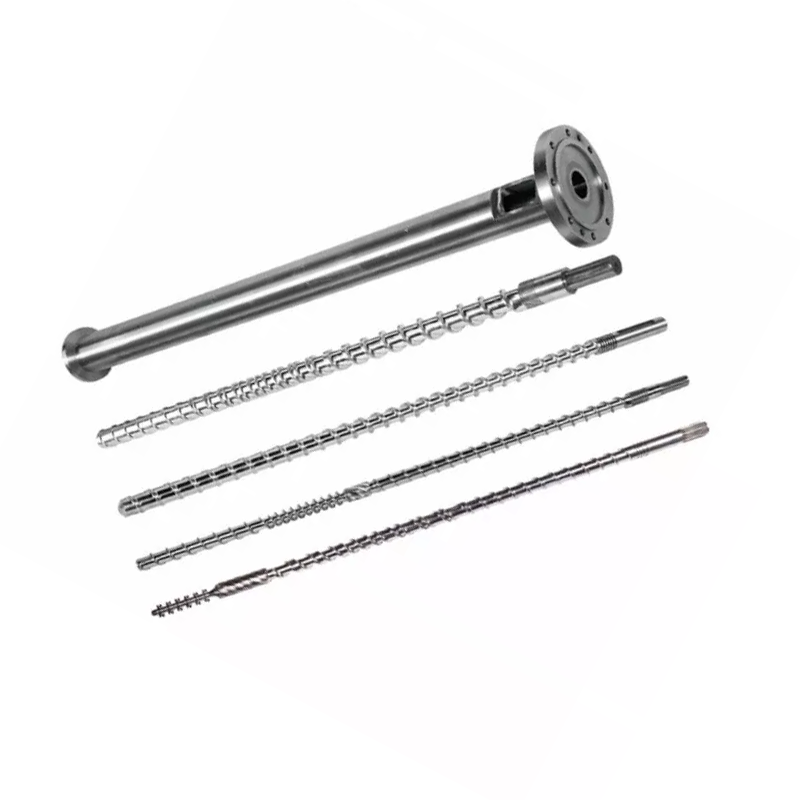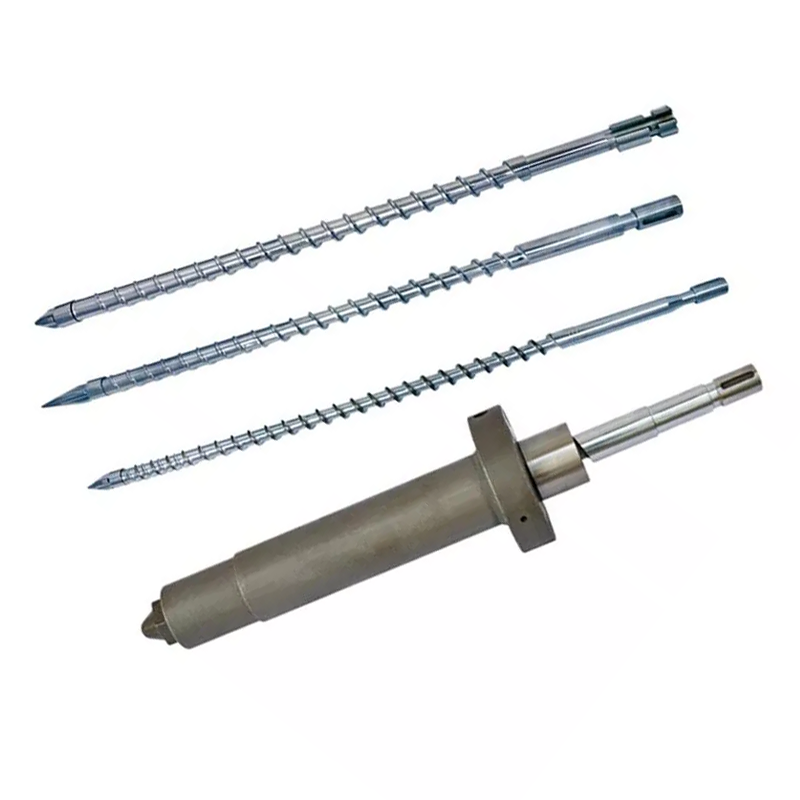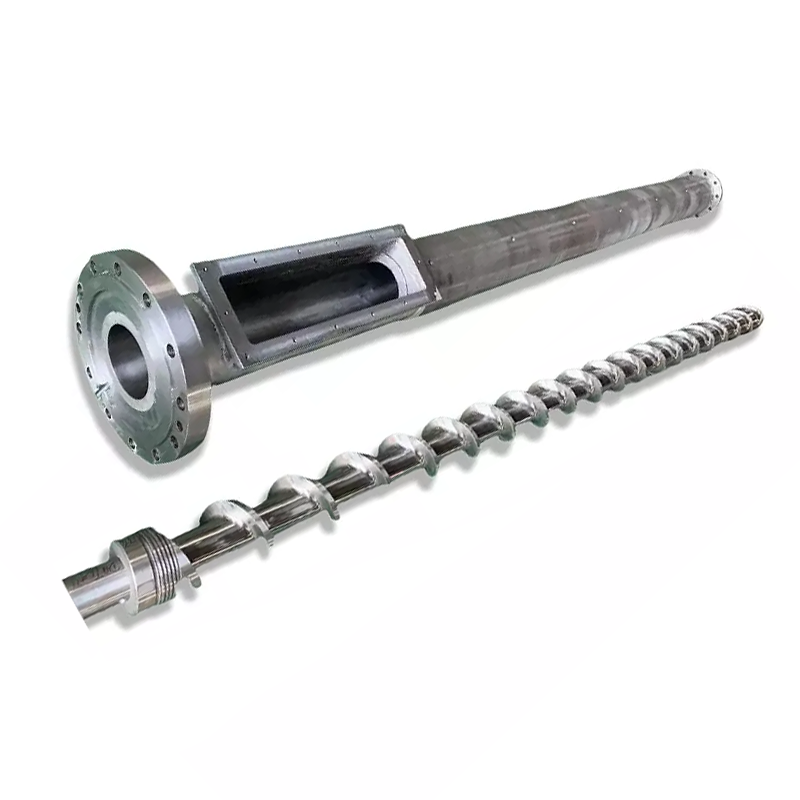

A conventional screw conveys, compresses and meters through one main channel. A barrier screw separates solids from melt during the transition. A mixing screw adds a final element that redistributes the molten polymer. The best choice depends on what your material still needs before it reaches the die.
Quick answer
Choose a conventional screw for a stable, uniform pellet feed and moderate output when simple operation is the priority. Choose a barrier screw when the line needs more complete melting and stable output at higher rates, especially for PE and PP. Choose a mixing screw when melt-temperature uniformity, color distribution or additive dispersion is the main problem.
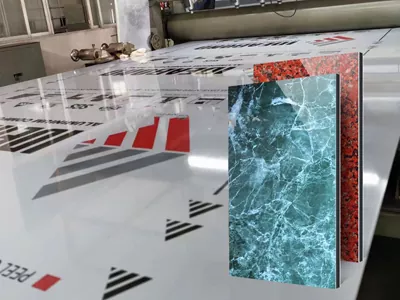
Barrier and mixing functions are not mutually exclusive. Nanhaiya’s aluminum-plastic panel single screw, for example, uses a barrier-type mixing section to support melting, melt-temperature uniformity and the distribution of colorants and flame retardants.
Conventional, barrier and mixing screw comparison
| Design | Core geometry | Primary job | Strong fit | Watch point |
|---|---|---|---|---|
| Conventional | One main flight with feed, compression and metering zones | Convey, melt and meter a predictable material | Uniform pellets, moderate output, straightforward extrusion | Melting capacity and melt uniformity can become limiting as rate increases |
| Barrier | Main flight plus an undercut barrier flight creating solids and melt channels | Separate unmelted solids from melt and control the melting path | High-speed PE/PP, film, pipe and other output-sensitive lines | Channel geometry must match the polymer’s melting behavior and target rate |
| Mixing | A conventional or barrier base screw plus Maddock, pineapple, pin or another mixing element near the discharge end | Redistribute the melt and reduce temperature, color or composition variation | Film, colored products, masterbatch let-down, sheet and panel | A mixer cannot compensate for a feed problem or a badly undersized melting section |
| Barrier + mixing | Barrier melting section followed by a dedicated mixing section | Combine solids/melt separation with final homogenization | High-output applications that also demand melt and color uniformity | Added shear and pressure demand must suit the resin, motor and die |
Nanhaiya’s current single screw barrel guide defines a standard screw as a single-flight, three-zone design; a barrier screw as a design with a secondary flight that separates solids from melt; and a mixing screw as one with a Maddock, pineapple or pin section near the end.
What changes inside the barrel?
Conventional
Solids and melt share the same main channel while flight depth decreases.
Barrier
Melt crosses an undercut barrier flight while unmelted material remains in the solids channel.
Mixing
The final element divides and recombines the melt to improve uniformity.
The classic barrier principle is documented in barrier-screw patents: the secondary flight divides the transition zone into a solids channel and a melt channel, while the barrier clearance allows molten polymer to cross and retains larger solid pieces. One example is US4770539A, which describes the progressively changing solids and melt paths.
When a conventional screw is the right answer
A conventional screw is not an inferior screw. Its value is predictable operation with a known material. Deep feed flights accept solid pellets, the compression section reduces channel depth, and the metering section delivers a shallower, more consistent melt channel to the die.
It is a practical choice when the resin already arrives as uniform pellets, the output target is moderate, color and additive loading are stable, and the current three-zone design produces complete melting. It is also easier to reproduce when a customer needs a drawing-based replacement without changing the process.
The main limitation appears when the material does not melt completely within the available transition length. Raising screw speed may then increase unmelt, melt-temperature variation or pressure instability. That is the point to compare a longer melting section, a barrier design or a final mixer—not to assume that a higher heater setpoint solves the geometry.
What a barrier screw changes
A barrier screw adds a second flight through the melting section. The barrier flight has a clearance that permits melt to pass into the melt channel, while unmelted solids continue through a separate channel. As melting progresses, the solids channel loses volume and the melt channel gains volume.
Nanhaiya recommends barrier screws for high-speed PE and PP extrusion and pairs them with grooved-feed concepts where forced intake is needed. The company’s guide also recommends a longer L/D with a barrier or mixing section for LDPE and HDPE film blowing.
Why buyers specify it
More controlled melting, fewer unmelted particles, higher stable output potential and better melt-temperature consistency.
Why factories must match it
The barrier start point, flight clearance, solids-channel reduction and melt-channel growth must fit the polymer and operating rate.
Typical materials
PE and PP film, pipe, sheet and other pellet-fed extrusion where throughput and full melting both matter.
Common upgrade trigger
Persistent unmelt or melt-temperature variation at the target rate after feed, temperature control and wear have been checked.
What a mixing screw changes
A mixing section is normally placed near the end of the screw, after most or all of the polymer has melted. Maddock, pineapple and pin geometries do not all work in exactly the same way, but each creates repeated division and reorientation of the melt.
The objective is not simply “more shear.” A good mixing section should address the line’s real defect: melt-temperature bands, color streaks, poor additive distribution or incomplete homogenization. A restrictive element can add pressure demand and heat, so its geometry must be selected with the resin viscosity, screw speed and die resistance in mind.
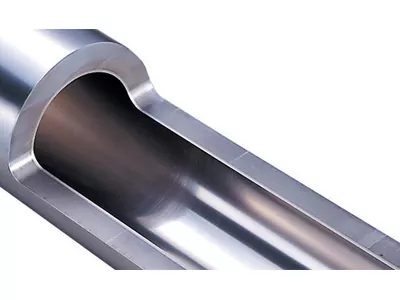
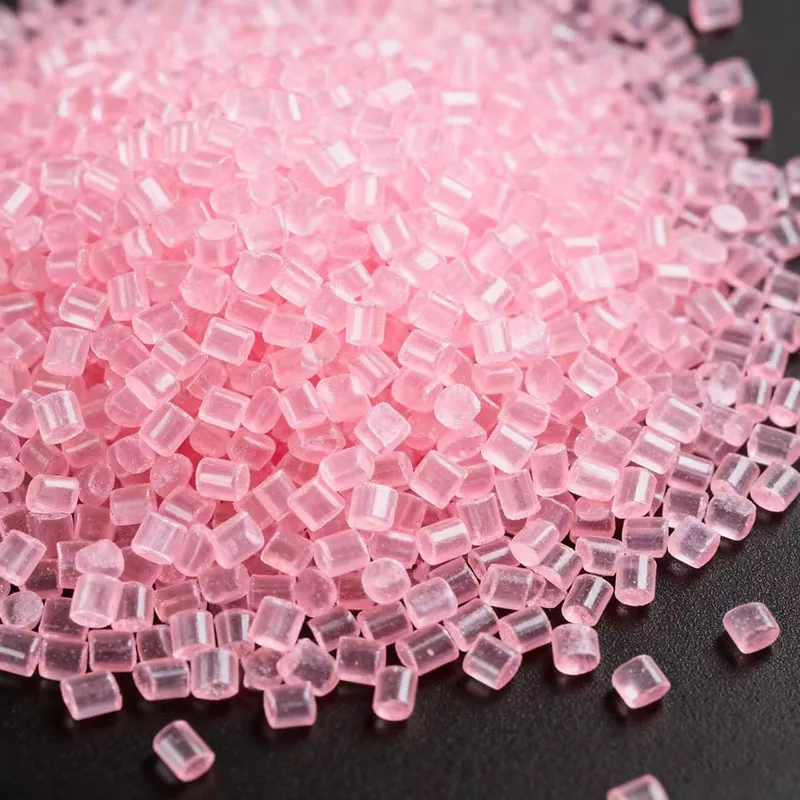
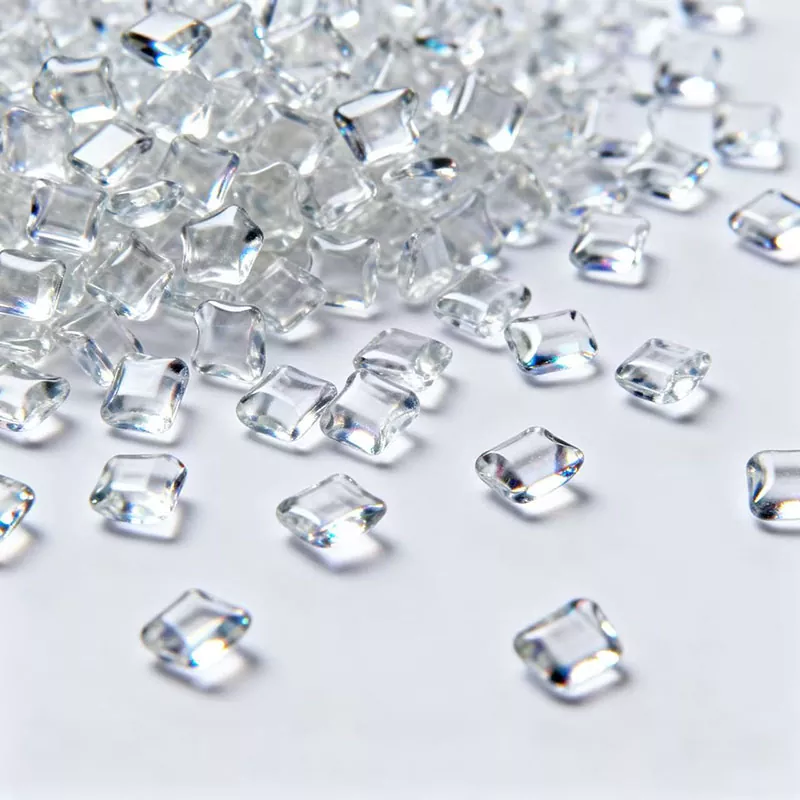
Nanhaiya’s transparent granulation single screw uses a longer L/D, a published compression-ratio range of 2.0:1–2.5:1, lower rotational speed and efficient mixing components for PS distribution. Its product page also lists hard-chrome electroplating, a smooth transition at the screw head and uninterrupted grooves and threads to limit dead corners and cross-contamination during color changes.
Which screw type fits the application?
| Application or symptom | Starting screw approach | Nanhaiya website data to use | Internal product path |
|---|---|---|---|
| LDPE/LLDPE/HDPE film; unstable thickness or melt-temperature bands | Longer L/D with barrier or mixing section | Published diameters 30–150 mm; L/D options 25:1, 28:1, 30:1, 33:1 and 35:1; applicable materials include LDPE, LLDPE, HDPE, PP and PVC | LDPE/HDPE Film Single Screw |
| High-speed PE or PP extrusion | Barrier screw, often with grooved feed | Nanhaiya’s guide recommends barrier geometry for high-speed PE/PP and longer L/D for film uniformity | Single Screw category |
| Aluminum-plastic panel with colorant or flame retardant | Barrier plus mixing section | Published common diameters Φ65, Φ90, Φ120 and Φ150 mm; barrier-type mixing; tungsten-carbide dual-alloy surface for flame-retardant formulations | Aluminum-Plastic Panel Single Screw |
| Transparent granulation and frequent color change | Longer L/D, mild compression and efficient mixing | Published compression ratio 2.0:1–2.5:1; hard-chrome surface; smooth head transition and uninterrupted grooves | Transparent Granulation Single Screw |
| Rigid PVC or another heat-sensitive material | Gentle conventional geometry or product-specific design; avoid unnecessary shear | Nanhaiya product tables list general L/D 20:1–30:1 and state that heat-sensitive PVC commonly uses 20:1–25:1 | PVC Pipe Single Screw |
| Filled, glass-fiber or recycled formulation | Geometry chosen for feed and melting; wear-resistant surface added separately | 38CrMoAlA, SACM645 and 42CrMo base options; ion nitriding up to HV1000–1200; alloy hardness above HRC60 on the wear-resistant page | Super Wear-Resistant Single Screw |
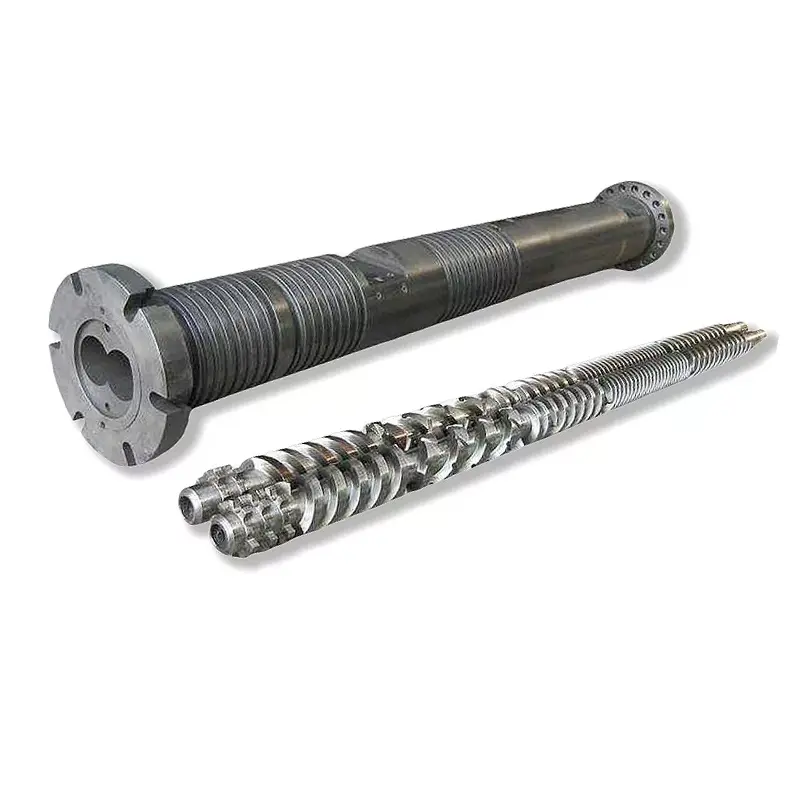
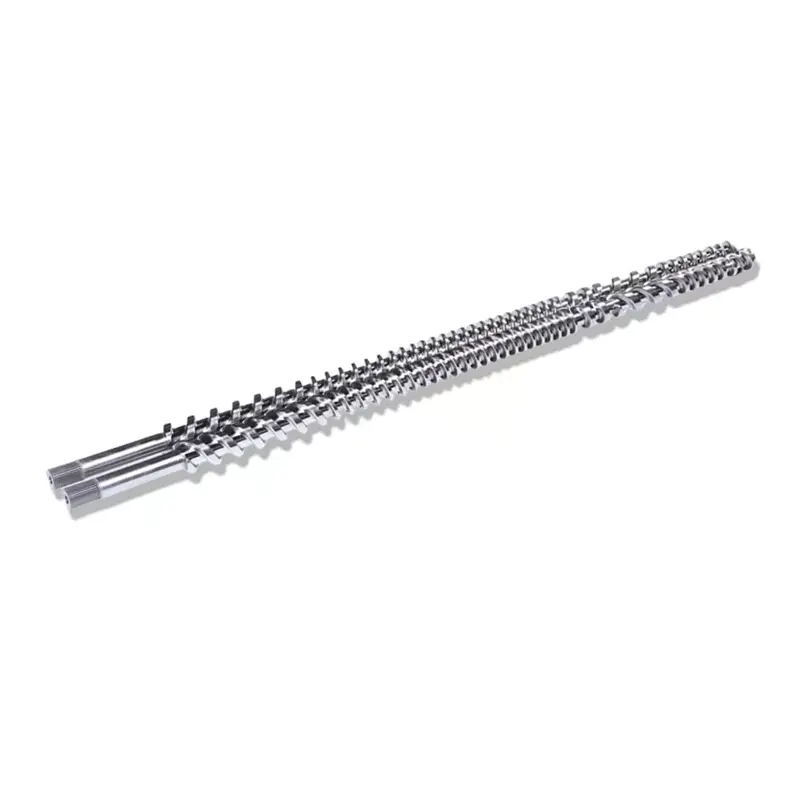
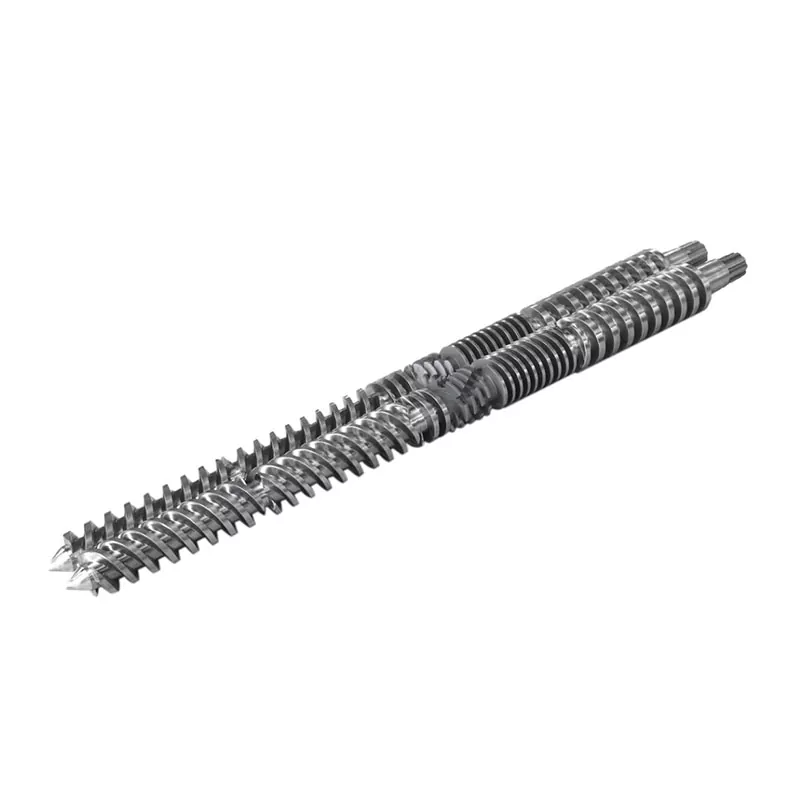
Mixing requirements can exceed what a single screw should reasonably do. If the line must disperse a high powder or filler load, feed very low-bulk-density material or perform intensive compounding, compare Nanhaiya’s parallel twin screw range rather than adding ever more restrictive single-screw elements.
Send Nanhaiya your current screw drawing, resin, additives, output, screw speed, pressure and defect photos. The technical team can compare a conventional replacement with barrier, mixing or combined geometry.
Request a Screw Design ReviewNanhaiya single-screw model data
The following model table is published on Nanhaiya’s live Single Screw category page. Final selection still depends on the material, product, die, motor and target line speed.
| Model | L/D | Output (kg/h) | Screw speed (rpm) | Motor (kW) | Center height (mm) |
|---|---|---|---|---|---|
| NHY20 | 20:1 | 3–5 | 10–60 | 1.1 / 1.5 / 2.2 | 1000–1400 |
| NHYZS25 | 25:1 | 5–8 | 10–60 | 2.2 / 3.0 / 4.0 | 1000–1400 |
| NHY30 | 25:1 | 5–10 | 10–60 | 2.2 / 3.0 / 4.0 | 1000–1400 |
| NHY45 | 25–36:1 | 10–120 | 10–150 | 5.5–22 | 1000–1400 |
| NHY65 | 25–36:1 | 60–300 | 20–150 | 22–75 | 1000 |
| NHY75 | 25–36:1 | 200–450 | 20–150 | 30–132 | 1000 |
| NHY90 | 25–36:1 | 180–600 | 20–110 | 30–185 | 1000–1100 |
| NHY120 | 25–36:1 | 320–1000 | 20–90 | 75–280 | 1000–1250 |
| NHY150 | 25–36:1 | 400–1300 | 20–75 | 90–400 | 1000–1300 |
These ranges show why “barrier or mixing?” cannot be answered from diameter alone. The NHY65 listing, for example, spans 60–300 kg/h and 20–150 rpm. The screw’s flight design must be selected for the material and the actual operating point inside that range.
Geometry and surface engineering solve different problems
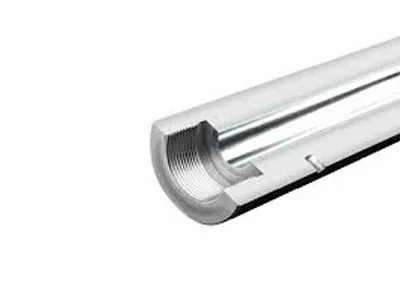
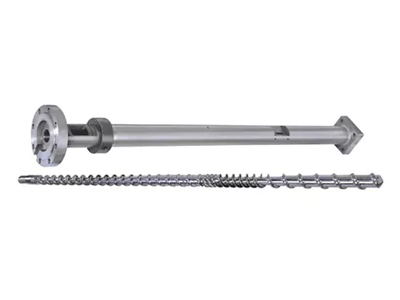
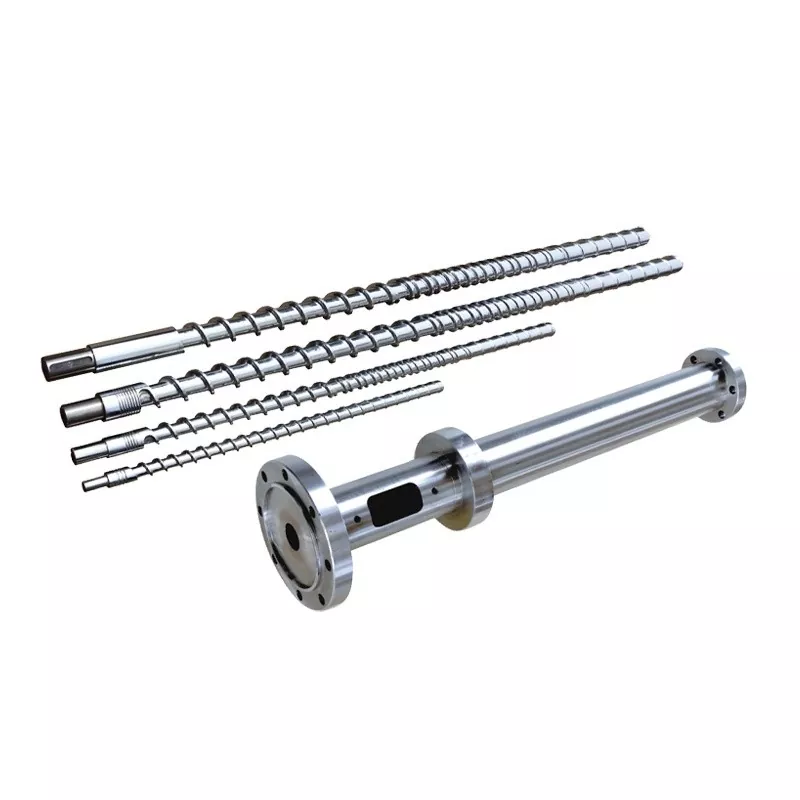
Barrier and mixing geometry determine how the polymer moves and melts. Steel, nitriding, hardfacing and coatings determine how long the geometry resists wear and corrosion. A hard surface does not correct a poor melt path, and an optimized melt path will not remain stable if the flight clearance wears open.
Nanhaiya publishes the following single-screw and barrel data in its current guide:
| Parameter | Published Nanhaiya value | Specification relevance |
|---|---|---|
| Base material | 38CrMoAlA; W6Mo5Cr4V2 and HIP powder steel also listed | Core strength and available surface-treatment route |
| Single-screw tolerance | ±0.001 mm | Reproducing geometry and fit |
| Straightness | 0.015 mm/m | Alignment through the barrel |
| Tempering hardness | HB 260–290 | Core condition before surface engineering |
| Nitriding hardness | HV 900–1100 | Surface wear resistance |
| Nitriding depth | 0.5–0.8 mm | Hardened case depth |
| Bimetallic hardness | HRC 56–65; tungsten-added layer listed at 62 HRC | Abrasive and corrosive service |
| Bimetallic depth | 2.0–3.0 mm | Alloy layer available for wear |
| Surface roughness | Ra 0.4 | Melt contact, retention and cleaning behavior |
For more severe wear, Nanhaiya’s Super Wear-Resistant Single Screw page lists 38CrMoAlA, SACM645 and 42CrMo base steels, alloy hardness above HRC60, ion-nitrided hardness up to HV1000–1200, PTA welding on the top and sides of the flights, and tungsten-carbide or nickel-based surface systems. The same page states that these surface systems can extend service life by 3–8 times.
What a factory needs before choosing the screw type
- Machine and drawing: extruder brand, model, screw diameter, effective length, connection, flange, feed throat and barrel dimensions.
- Polymer and formulation: exact resin grade, filler, glass fiber, flame retardant, colorant, recycled content and feed form.
- Product and die: film, pipe, sheet, panel, profile or granulation, plus die type and pressure history.
- Operating point: target kg/h, normal screw speed, motor load, zone temperatures, melt temperature and line speed.
- Defect: unmelt, color streaks, temperature bands, surging, black specks, high motor load or rapid wear.
- Replacement objective: exact reproduction, higher output, improved mixing, lower melt temperature or longer wear life.
Nanhaiya’s published ordering process asks for machine details, polymer and formulation, target output and known production problems. The website states a quotation time within 12 hours, 24–48 hour shipment for standard screws from stock, and a 30–40 day cycle for customized parts.
The same diameter can serve very different materials and outputs. Send the drawing, formulation and line data so Nanhaiya can specify the L/D, compression, barrier start, mixer type and surface treatment together.
Send Your Single-Screw RequirementsFrequently asked questions
Is a barrier screw always better than a conventional screw?
No. A conventional screw is economical and reliable for uniform materials at moderate output. A barrier screw is most useful when controlled solids-and-melt separation improves melting or allows a higher stable operating rate.
Does a barrier screw also mix the polymer?
A barrier section improves melting by separating solids and melt, but it is not the same as a dedicated final mixer. Lines that need both complete melting and color or temperature uniformity often combine a barrier section with a mixing element.
Which mixing section should I choose?
Choose from the actual defect and material. Maddock, pineapple and pin sections create different flow division, shear and pressure demand. Provide resin, additive, output, screw speed, die pressure and the current quality problem before selecting one.
Which design is suitable for LDPE and HDPE film?
Nanhaiya recommends a longer L/D with a barrier or mixing section for film melt uniformity. Its LDPE/HDPE Film Single Screw page publishes diameters from 30 to 150 mm and L/D options of 25:1, 28:1, 30:1, 33:1 and 35:1.
Can a mixing section eliminate black specks?
Not by itself. Black specks can come from contaminated material, retained and degraded polymer, excessive temperature, wear, a damaged filter or die deposits. Diagnose and clean the full material path before changing screw geometry.
Should a barrier or mixing screw be nitrided or bimetallic?
Geometry and surface are separate choices. Nanhaiya recommends nitriding for clean virgin resin and bimetallic or tungsten-carbide systems for filled, recycled, PVC or other abrasive and corrosive duties.
Get a Single Screw Matched to Your Melt and Output
Zhoushan Nanhaiya Plastic Machinery Co., Ltd. supplies conventional, barrier, mixing and application-specific single screws and barrels. The Nanhaiya website lists NHY20 through NHY150 models, customized materials and surface systems, and support for film, pipe, sheet, panel and granulation applications.
Get a Quote Within 12 Hours View Single Screw Models
Email: info@nhyscrew.com
Phone: +86-13505809643 · Mobile: +86-13587082002
Address: Block C, No. 2 West Section, Xingzhou Avenue, Dinghai District, Zhoushan City, Zhejiang Province, China