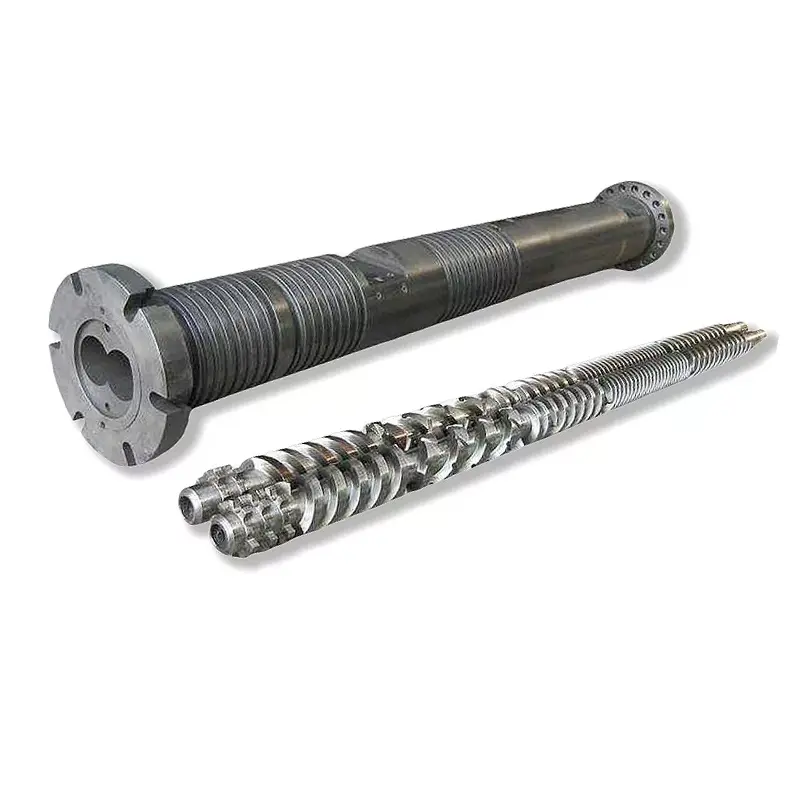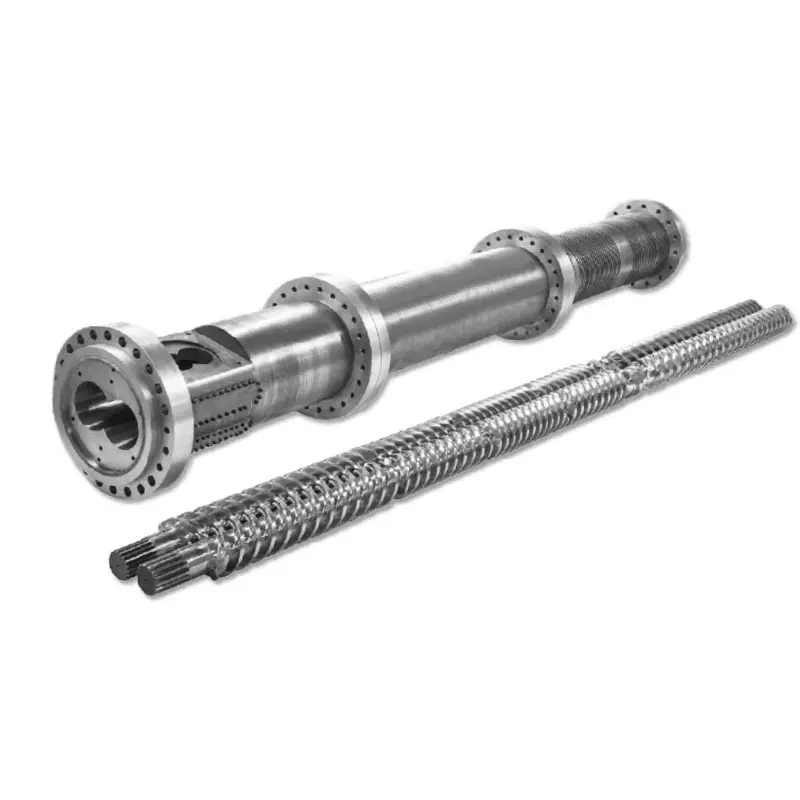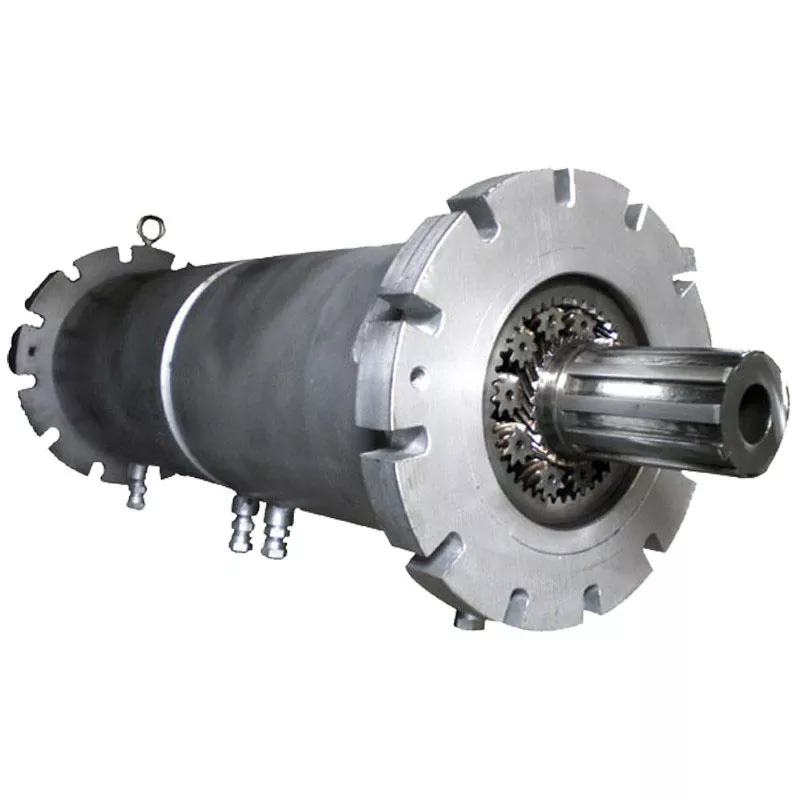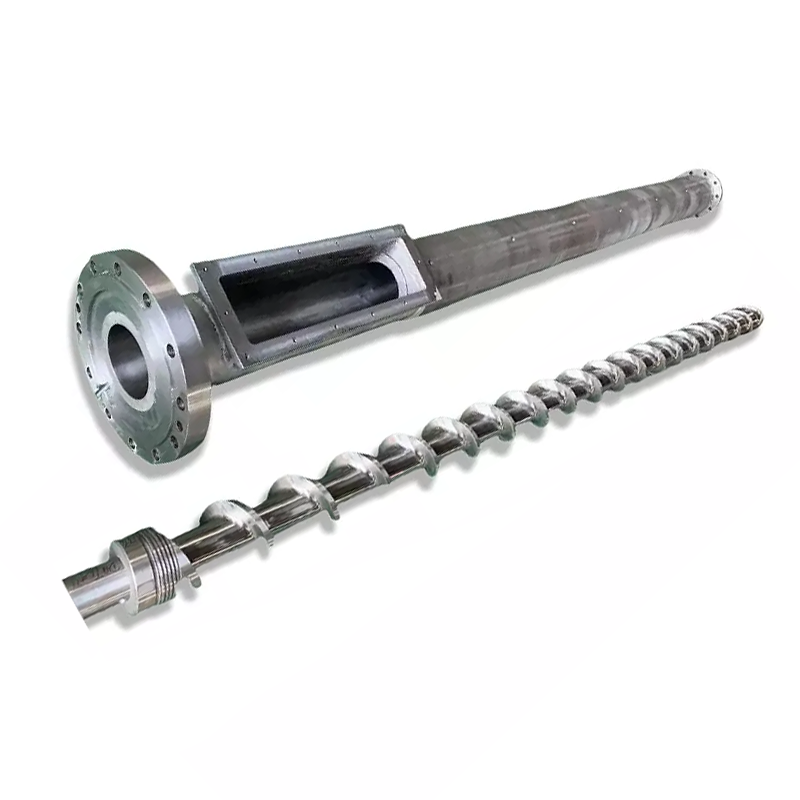

The right line is not decided by screw count alone. It is decided by what must happen between an uneven feedstock and an acceptable pellet: feed it, melt it, mix it, remove gas, filter contamination, build pressure, cut it and dry it.
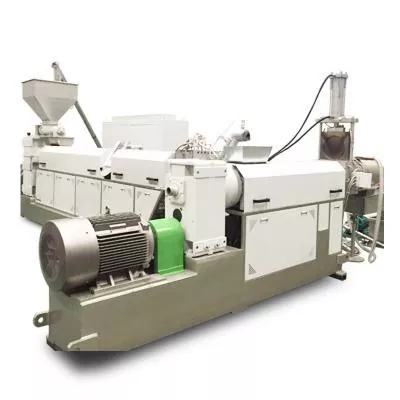
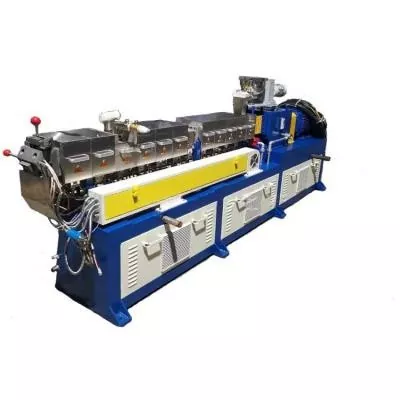
Choose a single-screw pelletizing line when the feedstock is already close to the final formulation and the main jobs are stable conveying, melting, melt filtration, pressure generation and pellet cutting. It is a practical starting point for consistent PE or PP regrind, simple re-pelletizing, laboratory work and small to medium production.
Choose a parallel twin-screw pelletizing line when the machine must compound as well as pelletize. It is better suited to fillers, pigments, polymer blends, masterbatch, modified plastics, multiple feed streams and stronger devolatilization. Do not buy the twin-screw line only because its listed output is higher. Buy it when its process functions match the formulation.
Start with the material transformation, not the machine name
A buyer often asks us for a twin-screw line after seeing the words "high output" or "better mixing." That skips the most important question: what is entering the hopper, and how different must it become before it reaches the bag?
If clean, uniform granules only need to be melted and cut again, a complex compounding machine adds controls, cleaning work and wear points without necessarily improving the saleable pellet. If several powders, colorants and polymers must become one consistent compound, a simple conveying screw may leave the real quality problem untouched.
| Production duty | Best starting point | Why | What can change the answer |
|---|---|---|---|
| Re-pelletizing a stable, sorted PE or PP stream | Single screw | Direct melting, pressure generation and filtration with lower line complexity | Moisture, odor, print, mixed melt flow, additives or heavy contamination |
| Recycled film flakes with low bulk density | Single screw with engineered feeding | The first bottleneck may be feed consistency, not mixing | Severe volatiles, mixed polymers or recipe correction may favor twin screw |
| Color or additive masterbatch | Parallel twin screw | Modular mixing elements and controlled ingredient addition support dispersion | A proven premixed recipe with modest dispersion demand may run on a specialized single screw |
| Calcium carbonate or other filled compound | Parallel twin screw | Separate feeding and configurable distributive and dispersive zones | Filler loading, particle form, abrasiveness and required property uniformity |
| Polymer alloy or reactive modification | Parallel twin screw | Residence, mixing and venting can be arranged by process zone | Reaction kinetics, heat sensitivity and downstream pressure requirement |
| Laboratory or pilot re-pelletizing | Single screw | Compact layout, simpler operation and easier maintenance | The experiment itself may require flexible modular compounding |
| PVC compound | Define the recipe first | Both Nanhaiya line families list PVC, but they serve different process duties | Powder feeding, thermal sensitivity, filler, plasticizer, mixing and pellet-cutting method |
| High-throughput modified plastic | Parallel twin screw | Higher published line capacity plus mixing, side-feeding and devolatilization options | Do not size from kg/h alone; torque, bulk density and product specification set the usable rate |
Our factory view: the cheapest machine is the line that completes the required transformation without adding unnecessary stages. Sometimes that is the single screw. Sometimes the twin screw prevents repeated blending, double extrusion or off-spec pellets. We would rather see the full recipe than a buyer's preselected screw count.
A pelletizing line is a chain of linked process stages
Both line types need more than an extruder. Nanhaiya's plastic extruder machine range describes five core systems: feeding; plasticizing with screw, barrel, heating and cooling; transmission; die head; and shaping, cooling and traction. In a pelletizing project, filtration, cutting, drying or screening and collection complete the chain.
1. Prepare and feed
Define whether the input is pellet, powder, flake, film, agglomerate or a blend. Bulk density, bridging and feed-rate stability determine whether a gravity hopper, forced feeder or separate loss-in-weight feeders are needed.
2. Melt and transform
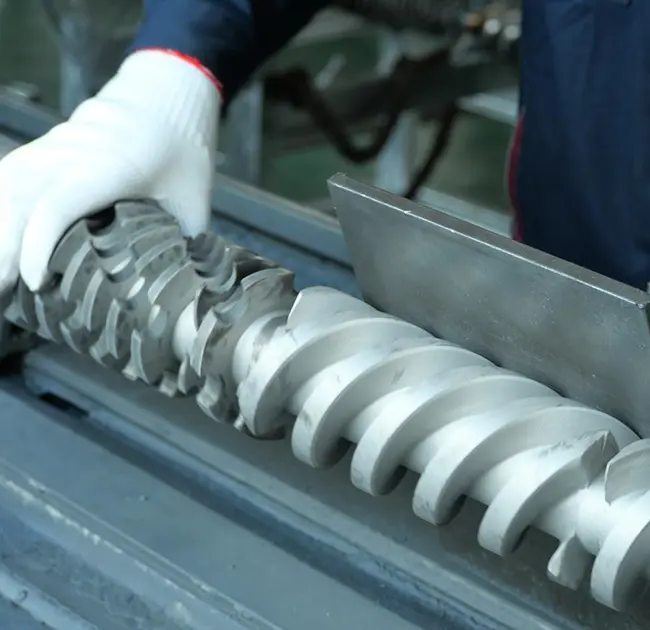
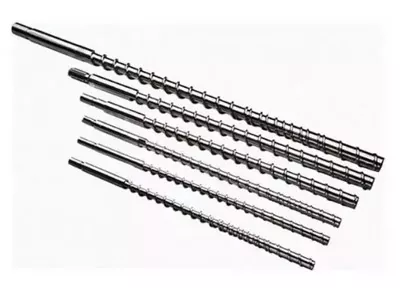
The screw and barrel must melt, convey and mix without exceeding the material's temperature or shear limit. For compounding, the line may also need side feeding, kneading sections and atmospheric or vacuum vents.
3. Filter and build pressure
A screen changer removes unmelted physical contamination. A die needs stable pressure and flow, so the screw discharge, melt pump option and filtration area must be sized as one section.
4. Cut the melt
Strand, water-ring and underwater systems create pellets in different ways. Melt strength, stickiness, water sensitivity, output and changeover routine matter more than habit.
5. Cool, dry and classify
Water temperature, residence time, dewatering and screening influence pellet temperature, moisture, fines and shape before storage.
6. Control the line
Temperature zones, speed, motor protection, pressure, feeder rate, vacuum and alarms must tell the operator whether each stage is stable. A display alone does not make the process controlled.
When a single-screw pelletizing line is enough
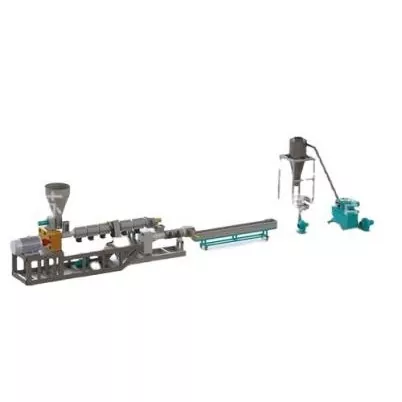
A single-screw extruder is fundamentally strong at continuous conveying, melting and pressure generation. It can also provide useful distributive mixing when the screw geometry, mixer and operating point match the material. That makes it a sensible base for re-pelletizing a feedstock that is already sorted, blended or formulated.
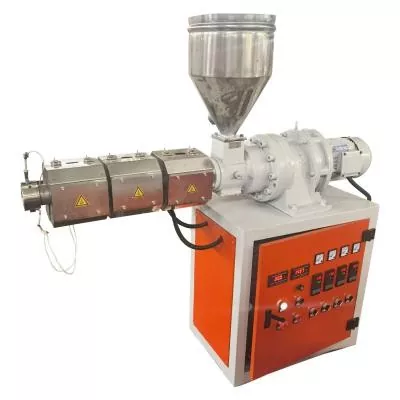
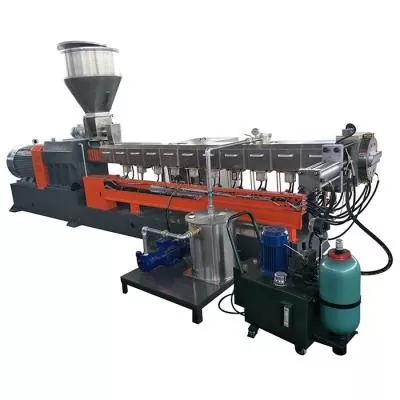
Nanhaiya's single-screw pelletizing line combines a single-screw extruder, melt filtration, die head, water cooling, pelletizer and collection unit. Its listed applications include virgin or recycled plastics, laboratories, pilot production and pellets for injection molding, film blowing or extrusion. Optional automatic screen changing, vacuum degassing and auxiliary feeding allow the basic line to handle more difficult feed conditions without turning it into a full compounding platform.
Use single screw as the baseline when: the feed recipe is fixed before extrusion; the polymer family and melt behavior are consistent; dispersion is not the main product claim; contamination can be handled by the specified filter; volatile removal is moderate; and output can be held without forcing unstable feed or excessive melt temperature.
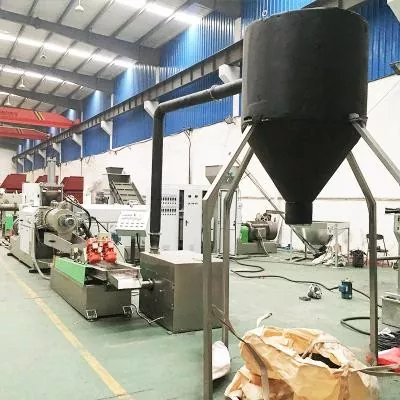
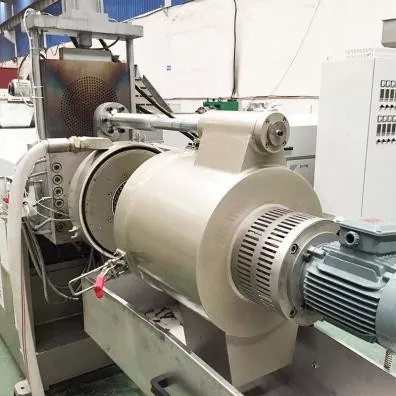
Single screw does not mean "no engineering." The granulation screw design still changes with flake feeding, melting length, vent position, screen resistance and pelletizing method. A line can have enough installed power and still surge because the hopper delivers material unevenly or the screw loses its melt seal near the vent.
When a parallel twin-screw line earns its extra cost
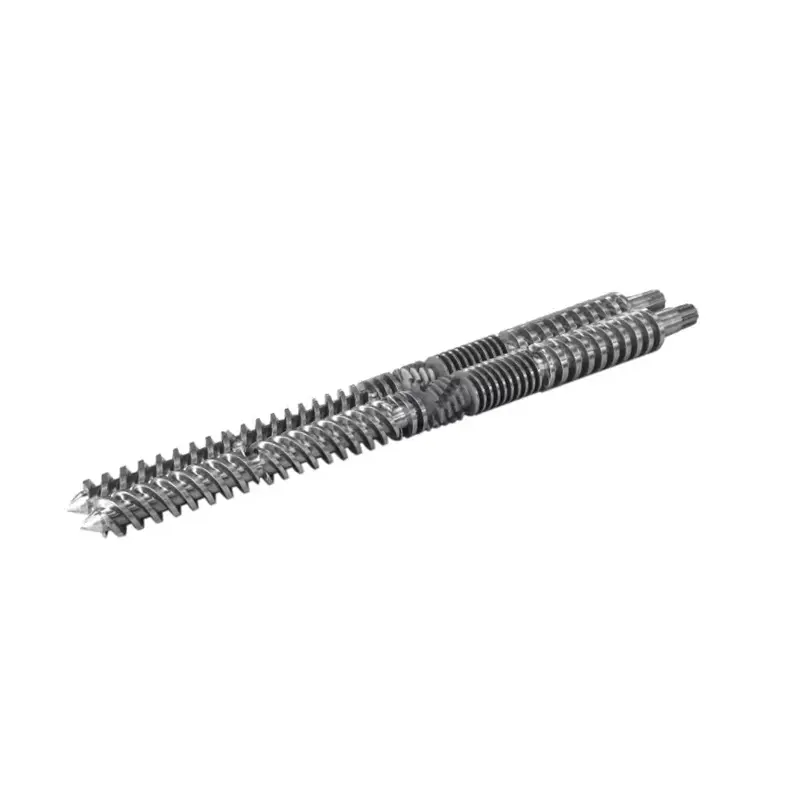
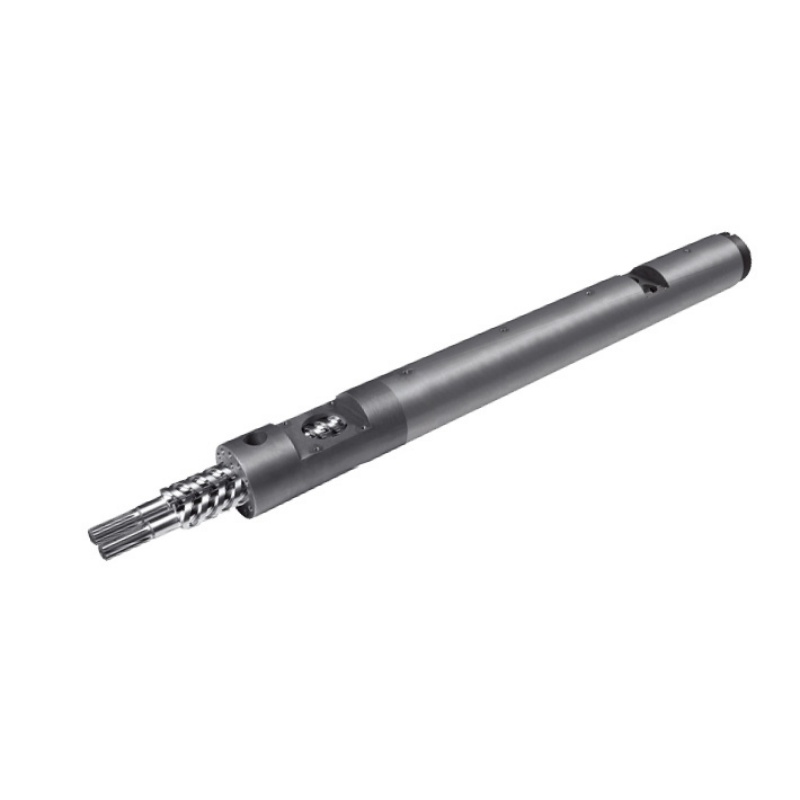
A parallel twin-screw line becomes valuable when extrusion must change the formulation, not merely reshape it. Nanhaiya's line uses a high-torque parallel twin-screw extruder with modular screw elements. Its process scope includes mixing and dispersing additives, fillers and colorants, plus optional twin feeding, vacuum degassing and automatic screen changing.
The modular barrel and screw train let the design assign different jobs along the machine: convey a feed, melt the polymer, add a filler downstream, apply distributive or dispersive work, open the melt surface for devolatilization, build a melt seal and stabilize discharge. Research on twin-screw extrusion likewise links the geometry with faster melting and improved mixing, while industrial compounding references arrange conveying, plasticizing, mixing, devolatilizing and pressure build-up as separate process zones.
Use parallel twin screw as the baseline when: several ingredients must be metered separately; pigment or filler dispersion controls value; powder intake is difficult; the formulation needs one or more venting stages; product changes require a modular screw recipe; or the line must compound and pelletize in one controlled pass.
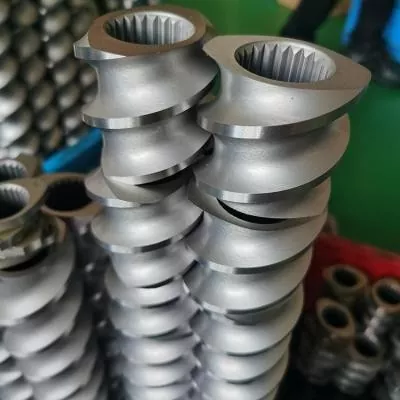
Our factory view: a twin-screw purchase fails early when the supplier receives only a resin name and target kg/h. "PP plus filler" is not a process specification. We need the filler percentage, particle form, bulk density, moisture, abrasiveness, feeder plan, dispersion target and allowed melt temperature. Those details decide the elements and barrel sections that the buyer is actually paying for.
For recycled material, separate four problems
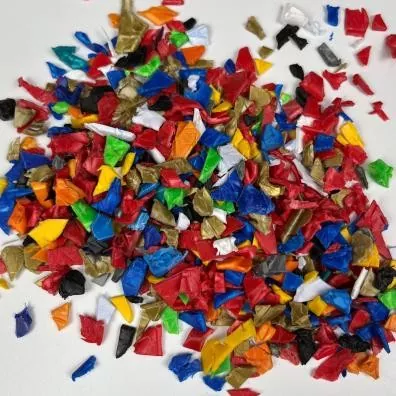
Recycling inquiries often combine feed instability, moisture, contamination and poor mixing under one label: "recycled material." Each problem needs a different line feature. Increasing screw speed cannot fix them all.
| Observed problem | Likely process question | Line feature to specify | Acceptance evidence |
|---|---|---|---|
| Output rises and falls | Is low-density flake bridging or feeding unevenly? | Forced feeding, agglomeration or densification, stable hopper geometry and feeder control | Output and motor load trend over a defined continuous run |
| Bubbles, odor or porous pellets | What moisture and volatile load enters the melt? | Drying where appropriate, vent location, melt seals, vacuum capacity and surface renewal | Moisture or volatile result plus visual pellet limit |
| Pressure keeps climbing | How much unmelted contamination reaches the filter? | Filter area, mesh sequence, screen-changer type, pressure sensors and change interval | Pressure rise and screen-change frequency at target output |
| Color or properties vary | Is the feed composition changing, or is mixing inadequate? | Upstream sorting and blending first; twin-screw compounding if recipe correction or dispersion is required | Agreed color, melt-flow or mechanical-property variation |
The Association of Plastic Recyclers defines melt filtration as forcing molten plastic through a fine screen to remove metals, wood, paper, thermosets and other unmelted physical contamination. Filtration cannot remove every dissolved polymer, odor or volatile. It also adds flow resistance, so the screen pack, filtration area, discharge pressure and change method must be specified together.
Choose the pelletizing method as part of the line
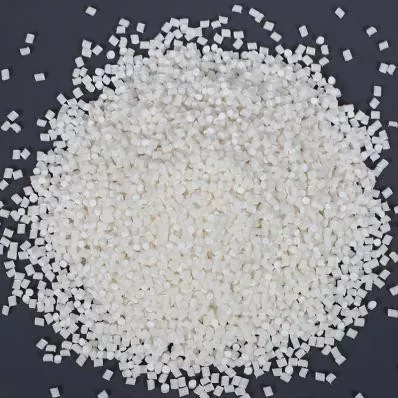
Screw selection receives most of the attention, but unstable cutting can make a well-plasticized melt unsaleable. Nanhaiya's single-screw line includes water cooling and a pelletizer. Its parallel twin-screw line can use a water-ring or strand pelletizer and includes the relevant cooling, screening and collection sections.
| Method | Process | Good starting point | Questions before ordering |
|---|---|---|---|
| Water-bath strand | Extrude strands, cool in a trough, remove surface water, pull and cut | Flexible compounding and recycling work where operators can manage start-up strands | Does the melt have enough strand strength? How often are color changes? How will broken strands be handled? |
| Dry-cut or belt-cooled strand | Carry hot strands on a belt with air, water or combined cooling before cutting | Water-sensitive, fragile, elastic or highly filled formulations | Required belt length, cooling load, strand speed, brittleness and floor space |
| Water-ring die-face | Cut at the die face and carry pellets in a circulating water ring | Compact, continuous pelletizing when the melt cuts cleanly at the die | Die-hole freezing, blade wear, water temperature, pellet shape and dewatering |
| Underwater | Cut at the die face inside a water-filled chamber, then dewater and dry | Automated operation and broad industrial pelletizing duties | Minimum stable rate, start-up waste, die-plate heating, water system, dryer and cleaning |
MAAG's dry-cut belt systems are designed for water-sensitive, highly filled or fragile products, while its underwater systems cover compounds, masterbatch, recycling and virgin polymers. That does not make one method universally superior. It shows why the material's behavior after the die must be part of the purchase decision.
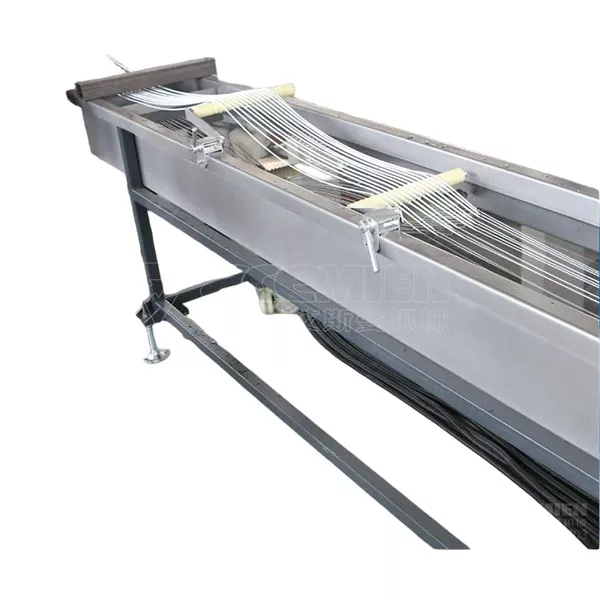
Nanhaiya single and parallel twin-screw line data
The following values come from Nanhaiya's current product pages. They are useful for comparing the published configurations. A purchase contract should repeat the final values for the approved material, auxiliaries and test conditions.
| Item | Nanhaiya single-screw pelletizing line | Nanhaiya parallel twin-screw pelletizing line |
|---|---|---|
| Published capacity | 100 kg/h | 300 to 600 kg/h |
| Main power | 75 kW main motor | 160 kW |
| Heating power | 120 kW | Not separately listed |
| Screw type | Single screw | Parallel twin screw |
| Screw length and diameter | Customized | Customized |
| Published screw material | 38CrMoAlA | 38CrMoAlA |
| Published material range | PVC, CaCO3 masterbatch, TR, PET, PS, EVA, ABS, PE, TPR, TPE, TPV and PP | PE, PP, PVC, ABS, HDPE, HDPE/PP, PA, PE/PP, LLDPE, ABS/PP and PPR |
| Core line equipment | Extruder, melt filtration, die head, water cooling, pelletizer and collection | High-torque extruder, melt filtration, die head, water-ring pelletizer, cooling and automated collection |
| Product details | Nitrided screw and barrel, pelletizer, water tank, vibrating screen, silo and PLC control | High-hardness alloy screw and barrel, modular elements, melt pump, die, water-ring or strand pelletizer, trough, vibrating screen and silo |
| Options | Automatic screen changer, vacuum degassing and auxiliary feeding | Vacuum degassing, automatic screen changer, twin feeding for fillers and remote monitoring |
| Published gearbox ratio | Not listed | 2.5:1 or 3:1 |
| Support | Remote installation, commissioning and operation guidance | Installation guidance, commissioning support and operator training |
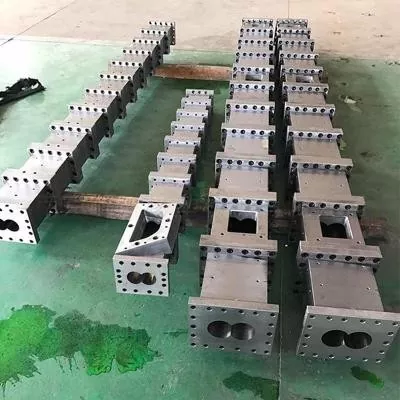
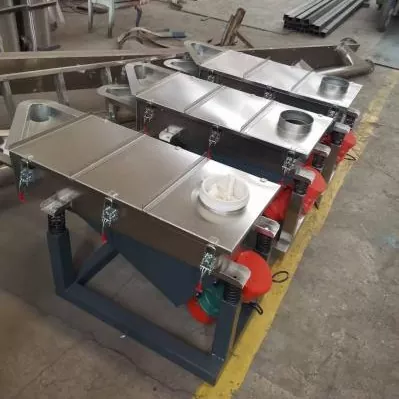
Nanhaiya is based in Zhoushan, Zhejiang, and manufactures screws, barrels and plastic extrusion equipment. Buyers can review the factory's production equipment, certificates and service process before the technical discussion.
Turn the comparison into a purchase specification
A useful RFQ makes competing quotations comparable. It also prevents the line from being designed around a clean sample while production later receives wet, dusty or low-density feed.
- Every polymer grade and weight percentage
- Virgin, post-industrial or post-consumer origin
- Pellet, powder, flake, film or agglomerate form
- Minimum and maximum bulk density
- Moisture, volatiles, odor and washing condition
- Contamination type, size and expected percentage
- Filler, pigment, fiber and additive details
- Required feeding method for each ingredient
- Present output and target net saleable output
- Allowed melt-temperature window
- Filtration fineness and screen-change plan
- Strand, water-ring or underwater pelletizing preference
- Pellet size, shape, moisture and fines limits
- Required color, melt-flow or mechanical tests
- Available voltage, frequency, water and compressed air
- Plant layout, headroom and material-flow direction
- Control language, data logging and safety standard
- Spare parts, commissioning and training scope
Do not write "output: 500 kg/h" by itself. State the exact formulation, feed condition, allowed reject rate and test duration. Gross extruder discharge is not the same as dry, screened, saleable pellets delivered to the collection system.
Wear protection also belongs in this stage. Abrasive fillers, glass fiber and contaminated recyclate can change the screw and barrel material strategy. Review Nanhaiya's parallel twin-screw components, single screws and spare parts with the expected feed, rather than adding a generic hard-surface option at the end.
Accept the line with material and measurable results
A no-load rotation test checks assembly, but it does not prove pelletizing performance. The factory acceptance test should use an agreed material or a clearly documented equivalent and should run long enough to expose feeding, pressure, venting and cutting instability.
- Confirm the test material. Record lot, formula, feed form, bulk density, moisture and preparation. Keep a retained sample.
- Verify line scope and safety. Check motors, heaters, guards, interlocks, emergency stops, utilities, instruments and rotation before feeding polymer.
- Reach steady operation. Record feeder rate, screw speed, zone settings, measured melt temperature, pressure, torque or motor load, vacuum and cooling-water conditions.
- Measure saleable output. Weigh dry pellets after screening for a defined time. Record start-up waste, strand breaks, agglomerates and screen changes separately.
- Test pellet quality. Use the agreed pellet size, fines, moisture, bulk density, color, melt flow, dispersion or downstream molding tests.
- Challenge a routine event. Demonstrate screen changing, a normal restart, feeder recovery or color change if it matters to daily production.
- Inspect the machine. Check vent carryover, die deposits, cutter condition, abnormal noise, leakage and accessible cleaning points after the run.
Our factory view: do not accept a line because it briefly reaches the headline output. We look for a stable window: the feeder stays full, pressure does not drift, the vent stays clear, the cutter does not create excessive fines and the pellets meet the buyer's downstream test. Stable saleable output is the number that matters.
Frequently asked questions
Is a twin-screw pelletizing line always better than a single-screw line?
No. A parallel twin-screw line is stronger when the process must mix polymers, disperse fillers or pigments, add ingredients through side feeders, or remove significant volatiles. A single-screw line is often the more direct choice when a stable, prepared feedstock mainly needs melting, filtration, pressure generation and pellet cutting.
Which pelletizing line is better for recycled PE or PP?
It depends on the condition of the regrind. A sorted, washed and reasonably consistent PE or PP stream may fit a single-screw line with the right feeding, degassing and melt filtration. Mixed formulations, filler addition, odor or volatile removal, and demanding homogenization can justify a parallel twin-screw line.
Which line should I choose for masterbatch or highly filled compounds?
Start the evaluation with a parallel twin-screw line because modular screw elements and separate feeding zones give more control over distributive and dispersive mixing. The filler type, loading, bulk density, abrasiveness and required dispersion still determine the feeder, screw configuration and wear package.
Can a single-screw pelletizing line use vacuum degassing?
Yes. Nanhaiya offers vacuum degassing as an option on its single-screw pelletizing line. The vent position, screw fill level, feed moisture, melt seal and vacuum capacity must work together so material does not flood the vent.
What is the difference between strand and water-ring pelletizing?
A strand system extrudes continuous strands, cools them and then cuts them into cylindrical pellets. A water-ring system cuts the melt at the die face and carries the pellets away in water. Material behavior, throughput, changeover needs, pellet shape and operator involvement should decide the method.
How much output can Nanhaiya pelletizing lines produce?
Nanhaiya lists 100 kg/h for its single-screw pelletizing line and 300 to 600 kg/h for its parallel twin-screw pelletizing line. These are published product configurations, so the final quotation should state the exact formulation, feed condition and acceptance basis for the selected machine.
What information should I send with a pelletizing line RFQ?
Send the polymer grades and percentages, feed form, bulk density, moisture, contamination and volatile levels, additives and fillers, present and target output, pellet size, filtration requirement, utility conditions, plant layout, control standard and a measurable acceptance test.
Commercial disclosure: Nanhaiya manufactures the pelletizing lines, screws, barrels and extrusion components linked in this guide. Final selection depends on the buyer's material, approved line scope, technical agreement and acceptance test.