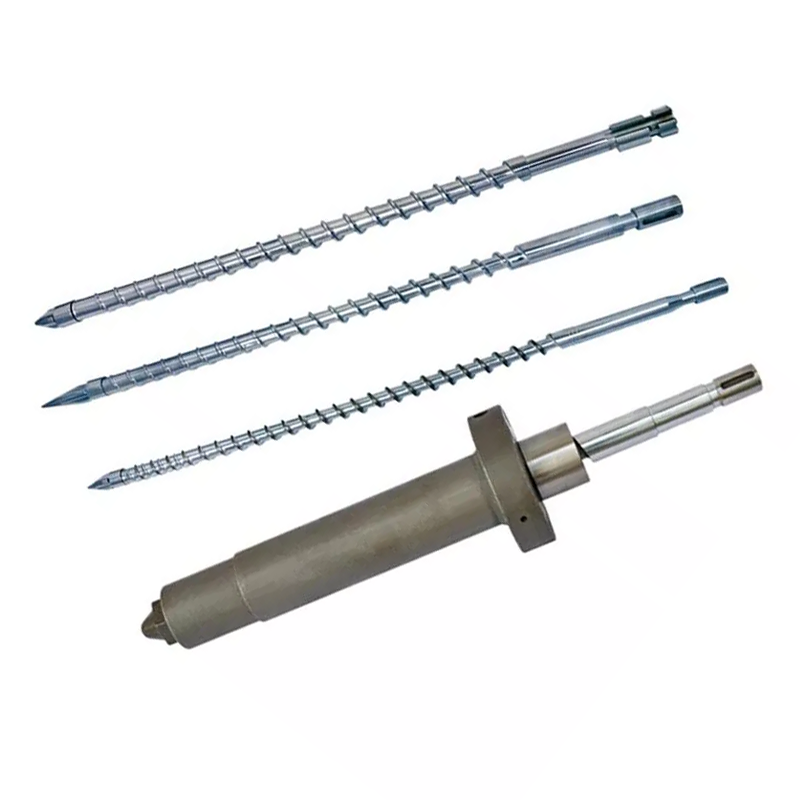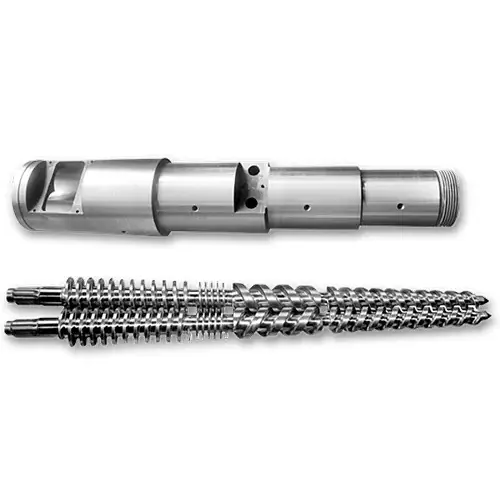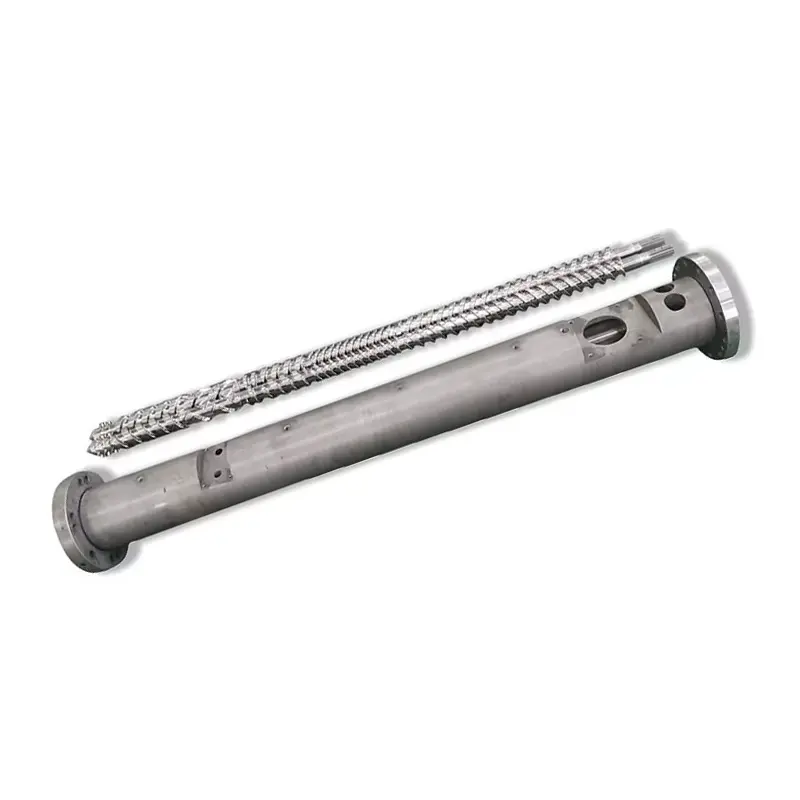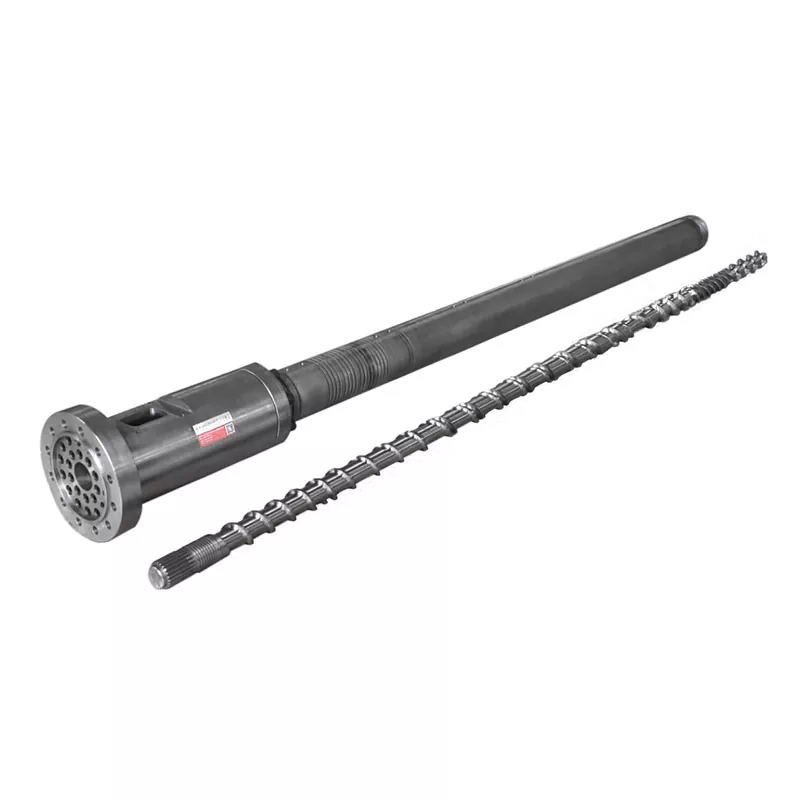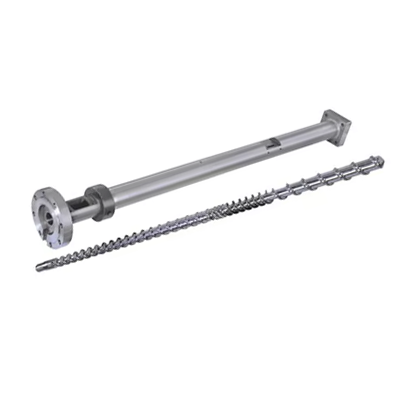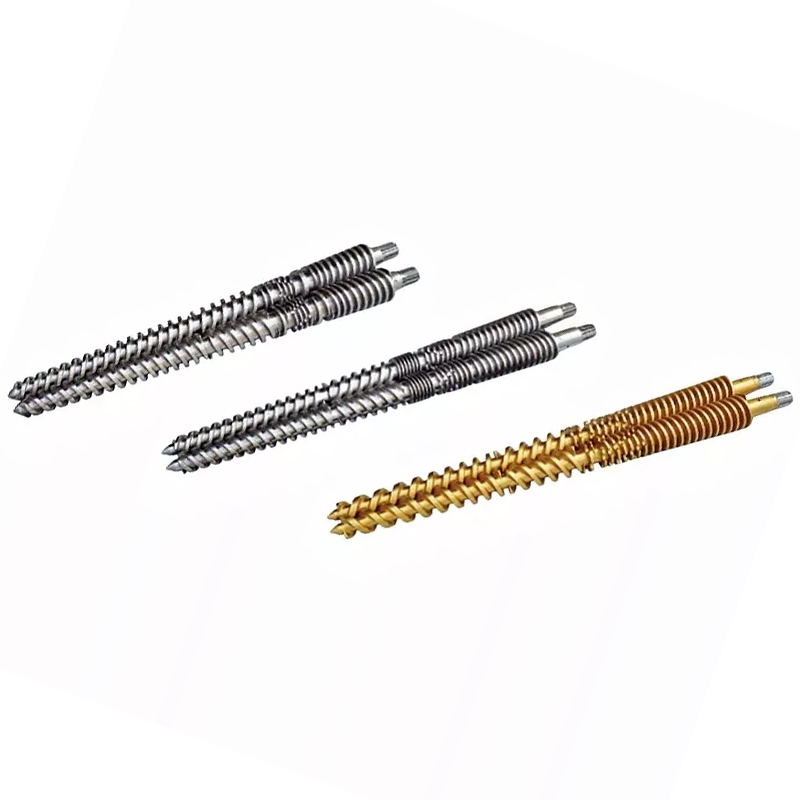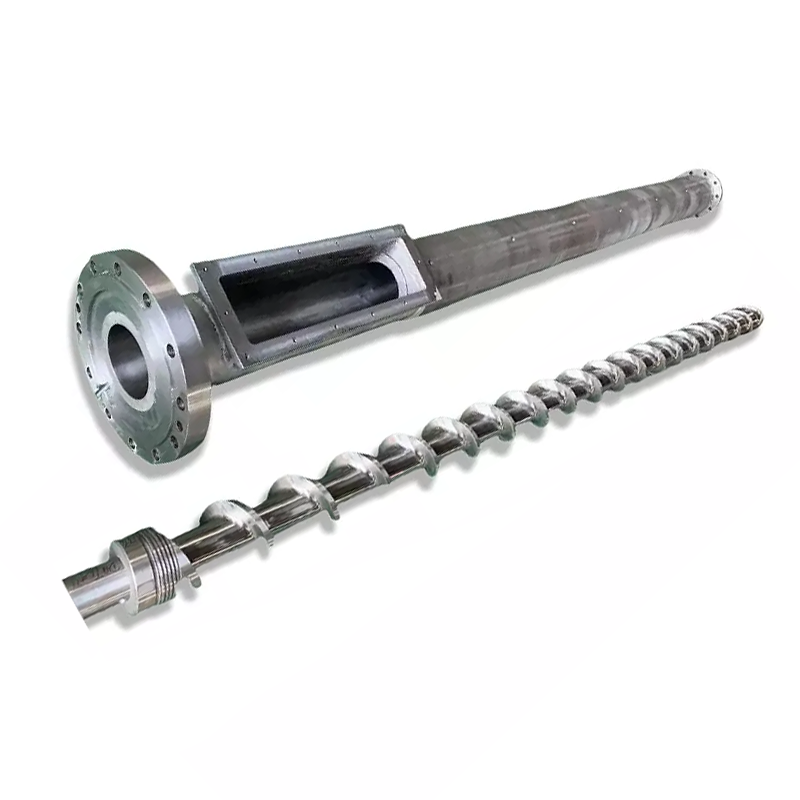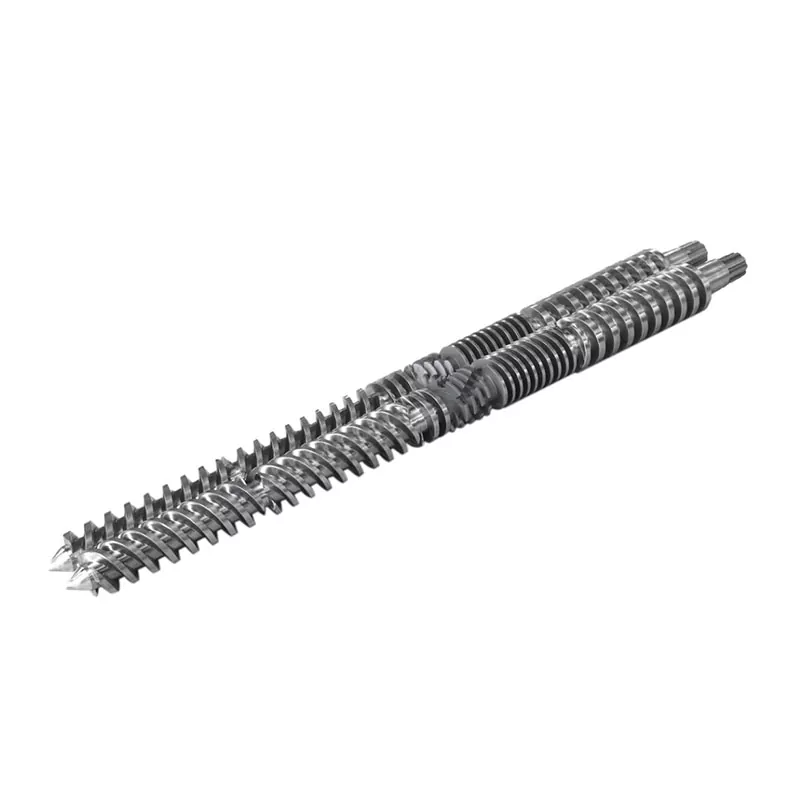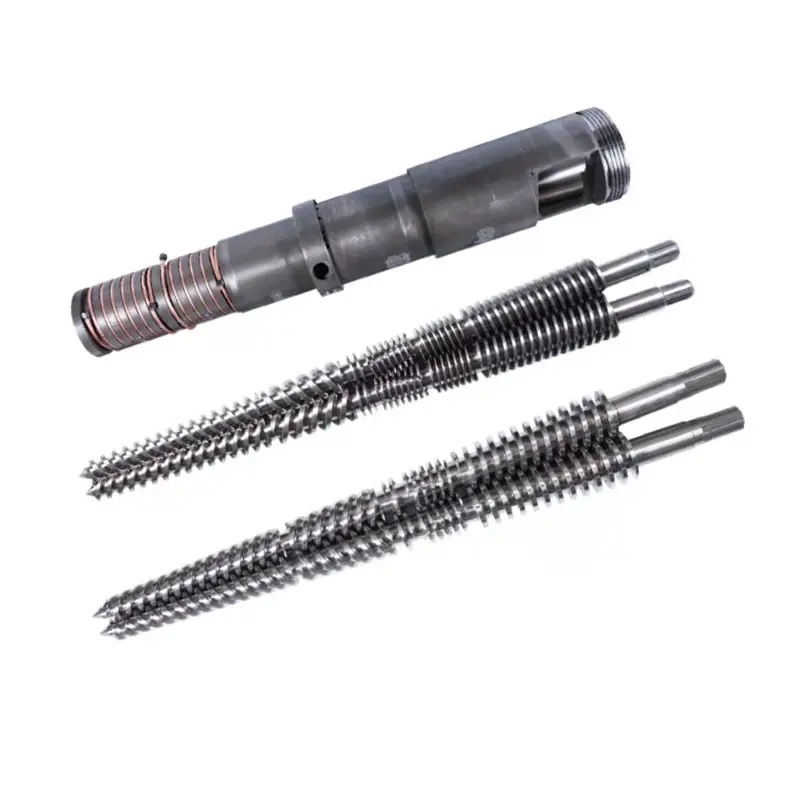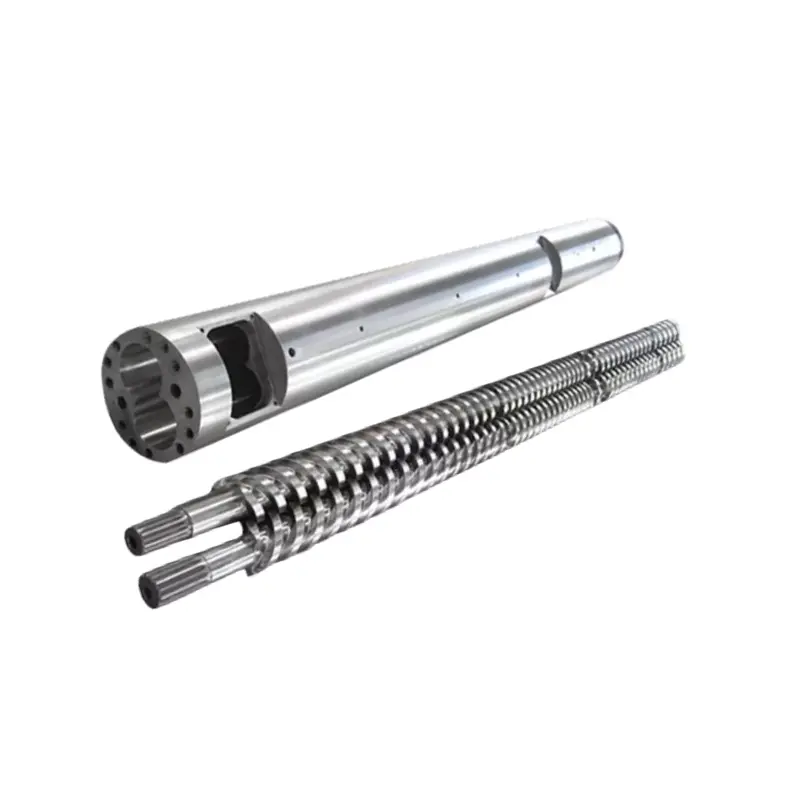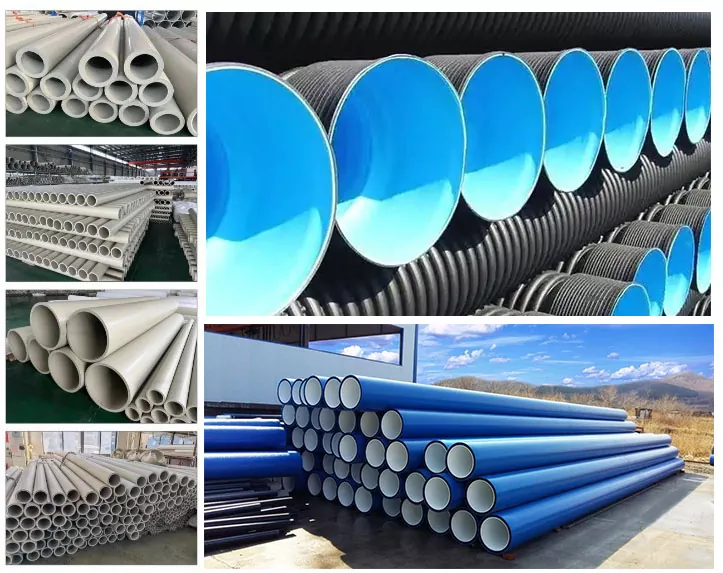

A granulation screw pair should match the material entering the hopper, the extruder it fits and the pellet you need to sell or use. Diameter alone cannot tell a factory where to place mixing, how to protect the flights or how the left and right screws should fit the barrel.
Quick answer
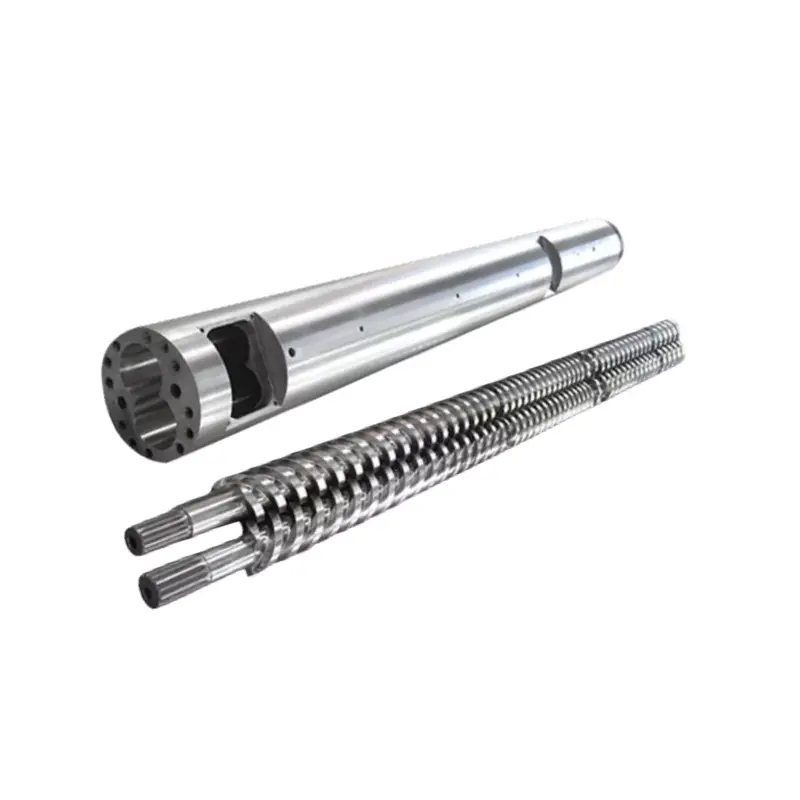
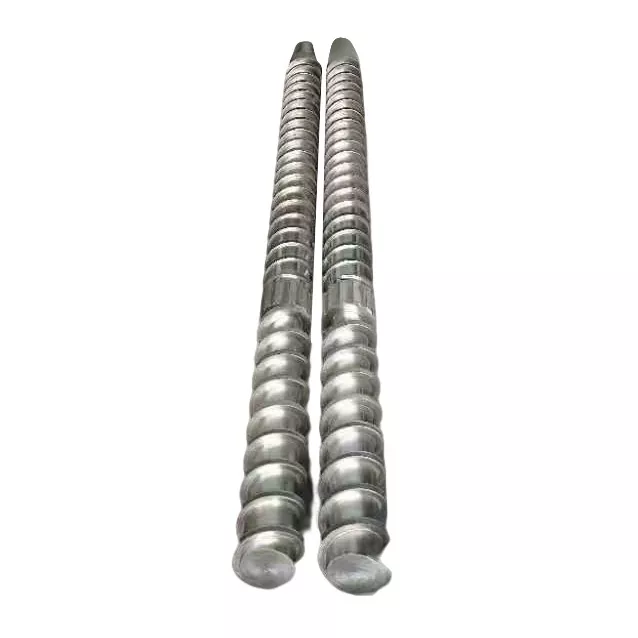
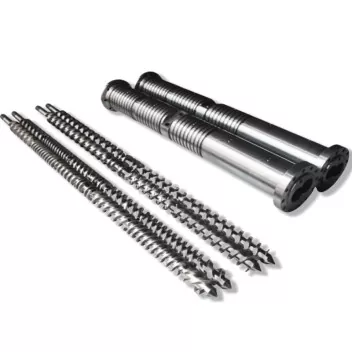
To buy a granulation parallel twin screw, specify the exact feedstock and target pellet, the machine's rotation and screw-pair geometry, the working zones, the barrel fit and the required wear construction. Nanhaiya's granulation product page lists 38CrMoAlA, heat treatment, nitriding, chrome and bimetal reference values, with custom material and configuration options for virgin and recycled thermoplastics. Choose one defined construction for the ordered zones rather than treating every listed surface value as a feature on every screw.
The order is complete when it also defines inspection records and a trial on the production recipe. A short run with an easy resin does not prove that the screw will make the required pellet from a difficult recycled blend.
This is a screw-pair decision, not a line-selection article
If you are still deciding whether the process needs one screw or two, start with our single versus twin screw pelletizing line guide. This page assumes the line already uses a parallel twin screw and the buyer needs a new pair, a different construction or a better specification for the next purchase.
Nanhaiya lists its granulation parallel twin screw for PVC, PE and other thermoplastics. The product detail also names PP and LDPE pellet production and says the steel grade and configuration can be customized for virgin or recycled material. Those are product applications. They do not make one flight design suitable for every PVC compound, washed PE film, mineral-filled masterbatch and mixed regrind.
From our factory desk: when I see “twin screws for recycling” on an inquiry, my first question is what is being recycled. Clean, sorted PE pellets and a dusty, filled PVC blend create different conveying, venting and wear work. If that material detail is missing, any exact screw recommendation is premature.
Describe what enters and what must leave the line
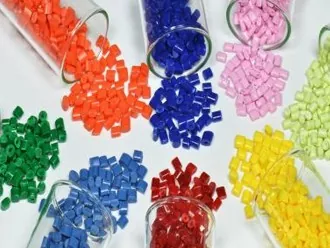
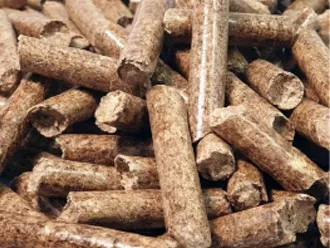
The screw is one part of a transformation. For a replacement order, show both ends: the incoming material and the acceptable pellet. “Stable output” is too vague unless it is tied to a recipe, a measured operating window and a pellet specification.
| RFQ field | Useful detail to send | Why it changes the screw decision |
|---|---|---|
| Polymer and formulation | PE, PP, PVC or other grades; blend ratio; filler, pigment, stabilizer and regrind share | Sets melting, mixing, abrasion and temperature limits |
| Physical feed | Pellet, flake, powder or agglomerate; bulk density and typical size spread | Changes feeding consistency before any mixing zone can work |
| Contaminants and volatile load | Moisture, residual print, fines, foreign particles and odor target | Determines the need for preparation, venting and filtration |
| Pellet requirement | Color, contamination, dimensions, flow test, moisture and downstream use | Defines what the trial must prove beyond hourly throughput |
| Operating history | Good and poor recipes, output, screw speed, load, pressure, temperature and reject trend | Separates a geometry problem from a material or line-control problem |
If a buyer reports melt flow, send the temperature and load used for the test. ISO 1133-1:2022 defines MFR and MVR under specified conditions; it notes that MVR is especially useful when comparing different filler contents. The method's shear rates are lower than those in normal processing, so the result is a material comparison and quality-control reference, not a prediction of the line's entire behavior.
Lock down the pair and barrel geometry before pricing
A parallel twin screw purchase has two screw identities, a center relationship and a mating barrel. The machine maker's drawing should control diameter, working length, shaft fit, center distance, handedness, rotation direction, phasing and the discharge connection. A photograph of the old pair helps, but it is not a replacement for those dimensions.
Mark the left and right screws before removal and keep their identities through measurement, drawing approval and packing. Where an intermeshing design is used, also record the required screw-to-screw relationship. Compare the barrel's two lobes and the pair together. Our parallel twin screw clearance and wear guide explains why one generic clearance number cannot describe all these surfaces.
| Feature | Drawing or inspection question | Consequence of guessing |
|---|---|---|
| Rotation and identity | From which viewing end is rotation described? Which screw is left and which is right? | Wrong handedness or timing at installation |
| Center and intermesh | What are center distance, lobe positions and approved screw-to-screw clearances? | Contact or excessive leakage inside the pair |
| Axial fit | Where are the datum end, thrust face, spacers and working start/end? | Correct overall length but incorrect installed position |
| Drive and outlet | What shaft, coupling, seal, nose and die-side interfaces must match? | A finished screw that cannot be mounted or sealed |
| Barrel condition | What are the measured dimensions of both lobes at repeatable axial stations? | A new pair running against an unsuitable bore |
Order control: if the original drawing is missing, measure the old parts and machine interface, but do not copy wear into the new geometry. Resolve the conflict between the worn sample and machine reference before the drawing is signed.
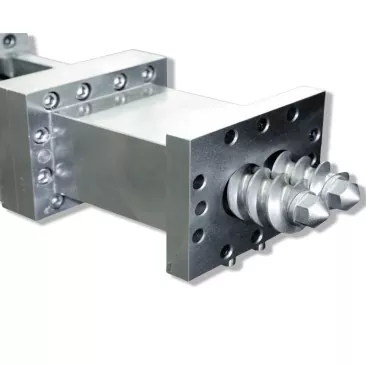
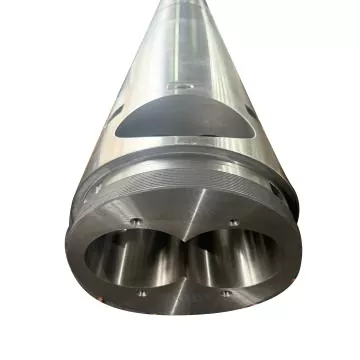
Read Nanhaiya's surface values as choices, not a stack
The granulation parallel twin screw product table gives several material and surface values. The base material is 38CrMoAlA. Published heat-treatment hardness is HB260 to 320, nitriding hardness HV950 to 1000, nitriding depth 0.50 to 0.70 mm, nitriding brittleness grade 1 or lower, surface roughness Ra0.4 and screw straightness 0.015 mm.
The same table lists chrome-plating hardness of at least HV950 with 0.05 to 0.10 mm thickness, plus bimetal hardness HRC60 to 65 and depth 2.0 to 3.0 mm. These entries describe available constructions. They should not be added into one imaginary coating. The order must identify the selected treatment, protected component and zones, finish dimensions, test locations and records.
| Published value | Nanhaiya product-page figure | Purchase-order question |
|---|---|---|
| Core material and heat treatment | 38CrMoAlA; HB260 to 320 | Which component and zone uses the grade, and what material record is supplied? |
| Nitrided surface | HV950 to 1000; 0.50 to 0.70 mm depth; brittleness grade 1 or lower | Where will hardness and case depth be checked? |
| Chrome-plated option | At least HV950; 0.05 to 0.10 mm thickness | Is chrome specified at all, and on which surfaces? |
| Bimetal option | HRC60 to 65; 2.0 to 3.0 mm depth | Which high-wear zones need this construction? |
| Finish geometry | Ra0.4 roughness; 0.015 mm straightness | What surface and measurement span does the drawing define? |
HV, HRC and HB are different hardness scales. The biggest printed number does not tell a buyer which construction will last longer in a particular formulation. Compare the actual abrasive and corrosive duty, wear location, base material, protected thickness and agreed inspection method.
The factory conversation I want: show me where the previous pair wore first and how many production hours the line ran before quality drifted. Then we can discuss whether to change the surface on that zone. “Give me bimetal everywhere” might buy more material without solving a feed or alignment problem.
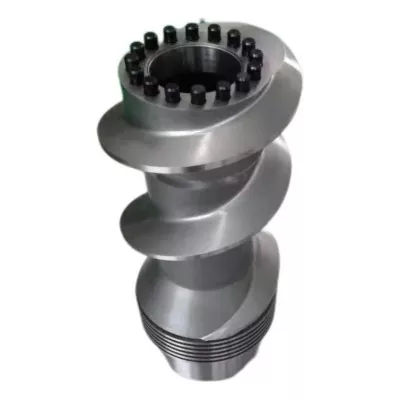
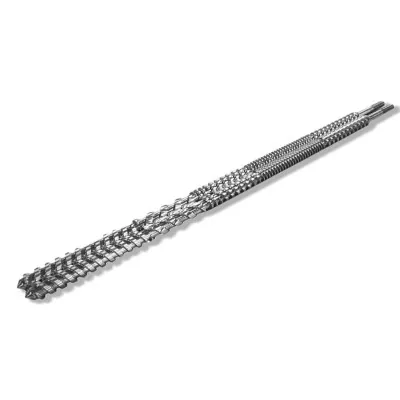
Specify what each working zone must do
Do not request a “high-mixing screw” as a complete design instruction. Say where the materials are introduced, when they must melt, what needs dispersing, whether gas must leave and how much pressure the die and filter require. A custom screw can only be judged against a defined material path.
Feed and melting
State the form and bulk behavior of the material. Low-density film flake, powder and uniform pellets may fill the same screw differently. If the hopper delivers inconsistent mass, a longer mixing section downstream cannot make the inlet stable.
Mixing and venting
Identify every filler, pigment or secondary feed point, plus vent positions on the existing barrel. Ask for dispersion and volatile removal only where the line provides the matching ports and control.
Pressure and discharge
Give the screen pack, melt filter, die and pelletizer layout. The screw must deliver suitable melt to that restriction without exceeding the machine's operating limits.
Nanhaiya's extruder parallel twin screw page adds compounding, masterbatch, filled plastics and pelletizing to its stated applications. It also lists customizable material options. That range is useful when your duty changes from simple repellettizing to compounding, but the approved geometry still has to follow the formulation and machine layout.

Before blaming the screw, isolate the actual bottleneck
A slower line or poorer pellet can justify a screw inspection. It does not prove that new screws will fix the problem. The feed system, barrel bore, vent, screens, die and cutter all affect the result. Look for the first point where the process departs from its good baseline.
| Symptom | Check before ordering | When the screw becomes a stronger suspect |
|---|---|---|
| Output surges | Feed rate, bulk-density changes, hopper bridging, motor load and screen pressure | Feed is stable but screw or barrel measurements show a matching wear pattern |
| Poor color or filler dispersion | Recipe, dosing accuracy, preblend, melt condition and sampling method | Inputs are controlled and the existing zone layout cannot meet the pellet target |
| Bubbles or odor | Incoming water and volatiles, dryer, vent vacuum and residence time | Vent and feed are controlled but the geometry does not expose or renew melt as needed |
| High pressure | Screen pack, filter, die restriction, temperature and contamination | Downstream restriction is normal and the screw pair's pressure-building condition has changed |
| Metal scoring | Foreign material, alignment, bearing condition, phasing and barrel lobes | Damage is mapped and the mechanical cause has been removed before replacement |
Do not apply drive torque to a replacement pair that cannot turn as required by the equipment maker's procedure. Machine isolation, lifting and commissioning belong to qualified personnel using the machine manufacturer's instructions. Our pair-and-barrel wear guide provides a measurement framework before a replacement scope is chosen.
What to put in the RFQ package
A useful RFQ can be short if the attachments are complete. Include:
- Extruder maker, model, year or version and current barrel/screw drawings
- Rotation direction and viewing end, left/right identification and timing features
- Screw diameter, working length, center distance, pair and lobe measurements
- Drive, shaft, seal, thrust, spacer and discharge-interface dimensions
- Existing screw photos, marked wear map and replacement reason
- Material recipe with polymer grades, fillers, pigments and recycled fraction
- Physical feed form, contamination, moisture and supply variation
- Current output, screw speed, motor load, melt pressure and temperatures
- Barrel ports, vent, screen/filter, die and pelletizer configuration
- Target pellet specification and downstream application
- Requested surface construction, protected zones and record package
- Trial material, run conditions, samples and acceptance limits
Nanhaiya's service page describes presales matching of material, machine, diameter, L/D, groove depth and construction. That is the correct point to resolve whether this is a faithful replacement or a design change. If both objectives are mixed into one vague order, neither can be measured clearly.
Accept the manufactured pair, then accept the pellets
Factory inspection and line trial answer different questions. The inspection confirms the parts you received. The trial confirms that the installed assembly works with the agreed material and process. Put both in the purchase order before production begins.
| Stage | Evidence to retain | Decision |
|---|---|---|
| Drawing approval | Revision, left/right IDs, rotation viewpoint, geometry, interfaces and protected zones | Can the factory make and inspect exactly this pair? |
| Factory release | Material record, pair identity, dimensional report and applicable layer/hardness results | Does the manufactured pair match the selected construction? |
| Installation | Barrel measurements, interface fit, phasing and approved free-movement check | Can it be installed without unresolved contact or mismatch? |
| Production run | Recipe and lots, output, speed, load, pressure, melt temperature and vent condition | Can it hold the specified operating window? |
| Pellet approval | Sampling record, appearance, composition and agreed quality tests | Will the pellets meet their actual use specification? |
My sign-off rule: I would not call a screw pair successful because one bag of pellets looks clean. I want the line conditions and the sample interval written down. A better screw should make the required pellet repeatedly at the agreed throughput, without hiding an overloaded motor or a vent problem.
Nanhaiya's production equipment page lists CNC lathes for workpieces up to 6 m long, drilling and milling positioning accuracy of 0.02 mm, and five-axis machining for irregular flights and special flange structures. Those are manufacturing capabilities. The customer's final drawing must still identify the features and tolerances to inspect on this order.
Frequently asked questions
What should I send to quote a granulation parallel twin screw?
Send the extruder make and model, approved screw and barrel drawings, rotation and left/right identification, center distance, shaft interfaces, current screw and bore measurements, feedstock recipe, target pellet specification, operating data and required inspection documents. State whether the order is a like-for-like replacement or a new processing duty.
What base material does Nanhaiya list for its granulation parallel twin screw?
Nanhaiya lists 38CrMoAlA as the base material. Its granulation product page gives heat-treatment hardness of HB260 to 320, nitriding hardness of HV950 to 1000 and nitriding depth of 0.50 to 0.70 mm. The ordered surface construction and measurement locations should be stated on the drawing.
Are nitriding, chrome plating and bimetal all standard on one screw?
No. Nanhaiya's product table presents published values for several surface constructions: nitriding, chrome plating and bimetal. They are options to specify for the relevant component and zone, not values to add together or assume are present on every screw. The approved order should identify the selected construction.
When should I discuss a bimetallic granulation screw?
Discuss a bimetallic or locally reinforced construction when the formulation or measured wear pattern shows demanding abrasion and a nitrided build does not meet the desired replacement interval. Nanhaiya lists bimetal hardness of HRC60 to 65 and depth of 2.0 to 3.0 mm for its granulation product. Mark the protected zones and the inspection method in the order.
Can a new screw pair solve every pellet quality problem?
No. Feed variation, moisture, screen-pack restriction, die condition, vent operation and pellet cutting can create quality problems even with a correct screw pair. Record the symptom, isolate the process stage and inspect the barrel and downstream equipment before choosing a replacement scope.
How should a granulation screw pair be accepted?
Check the delivered pair against the approved drawing, left/right identity, material and surface records, protected zones and mating barrel geometry. Then run the agreed feedstock and recipe under recorded conditions. Compare stable output, load or torque indication, melt pressure, temperature behavior, vent condition and pellet properties with the contract baseline.
Product data and technical reference
Nanhaiya pages: Granulation Parallel Twin Screw; Parallel Twin Screw range; Extruder Parallel Twin Screw; single versus twin pelletizing line guide; parallel twin screw clearance and wear guide; production equipment; service; contact.
Official method: ISO 1133-1:2022, determination of MFR and MVR. Apply the material-specific test condition and the customer's pellet specification; the method does not set a universal acceptable output or screw design.
Prepared from Nanhaiya's published product and factory pages. The selection and trial recommendations are engineering judgments for an individual order. The approved machine drawing, material recipe and agreed test plan control the final specification.