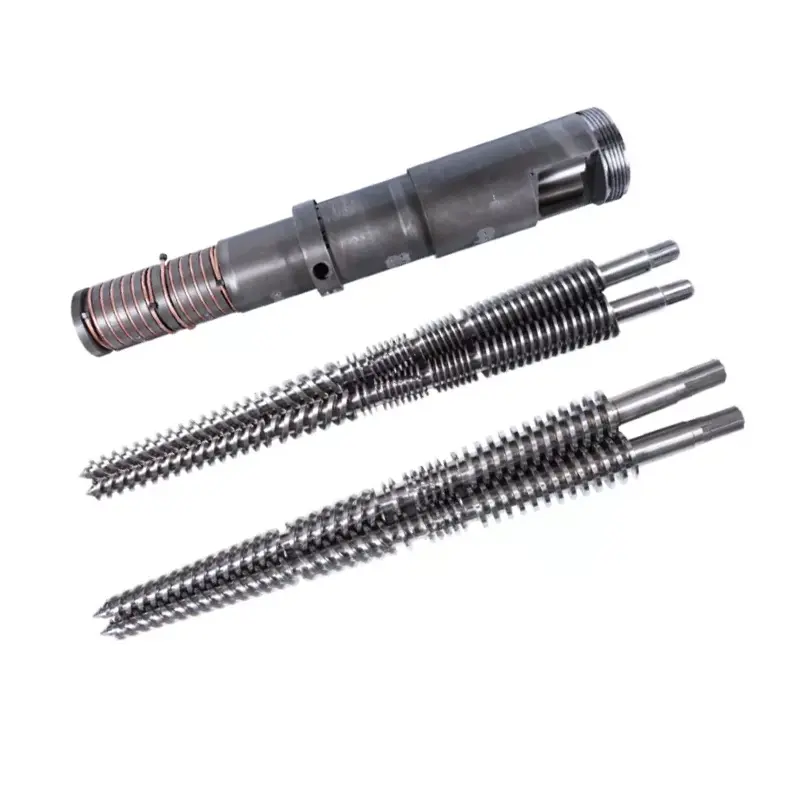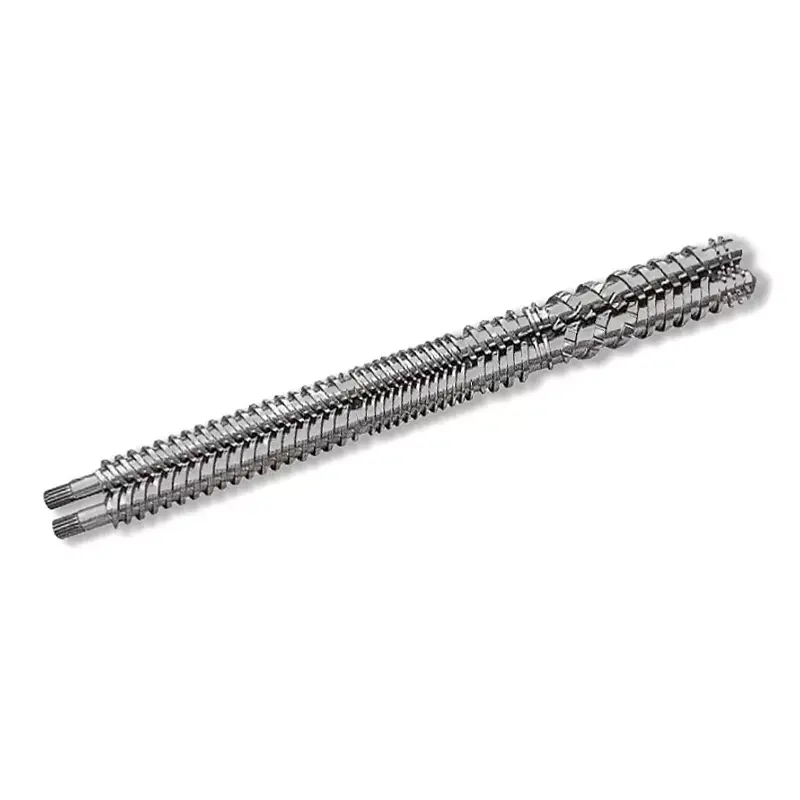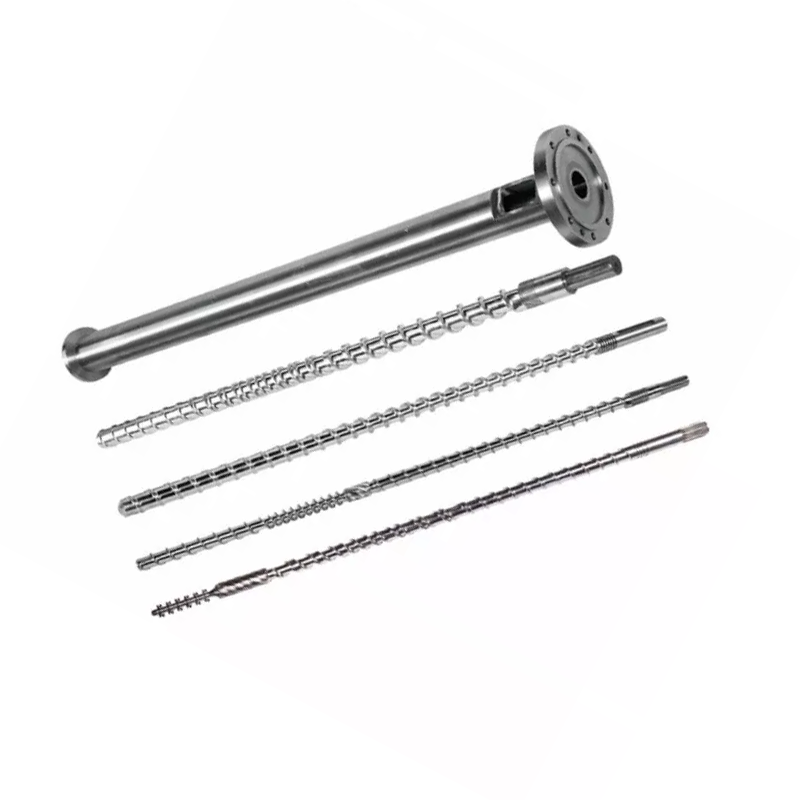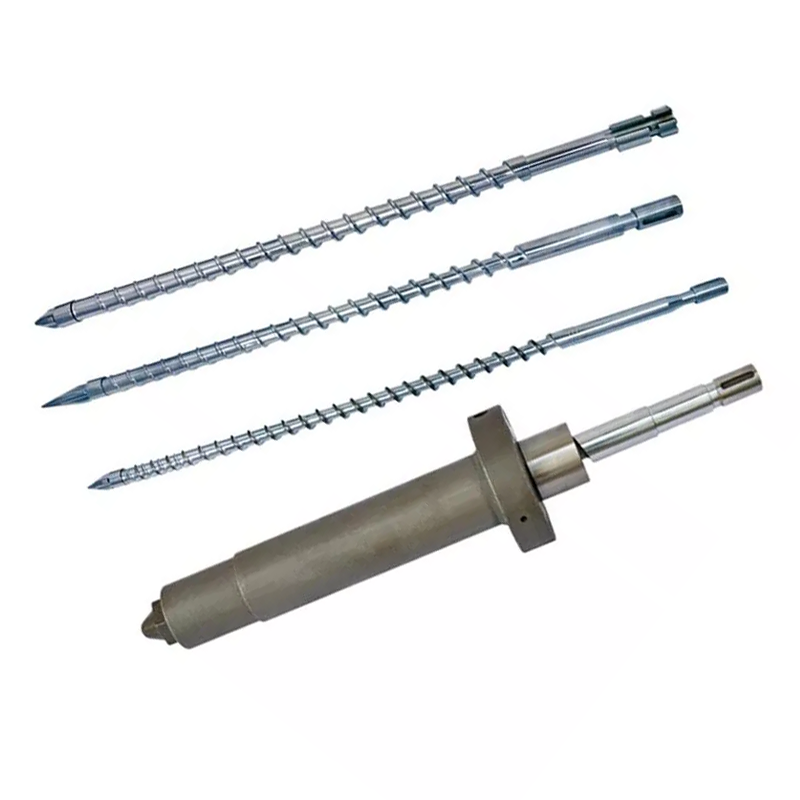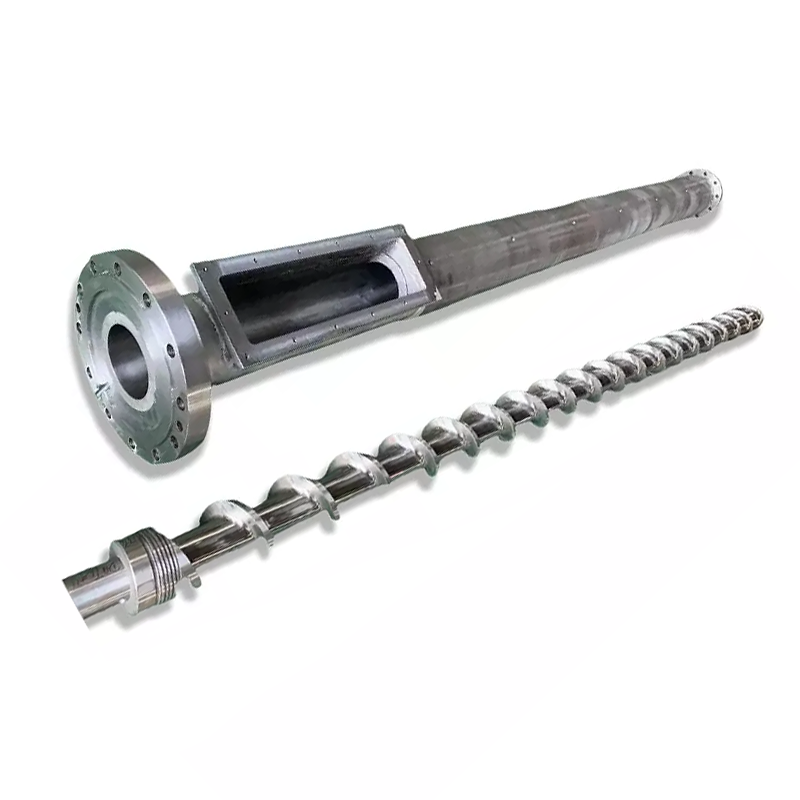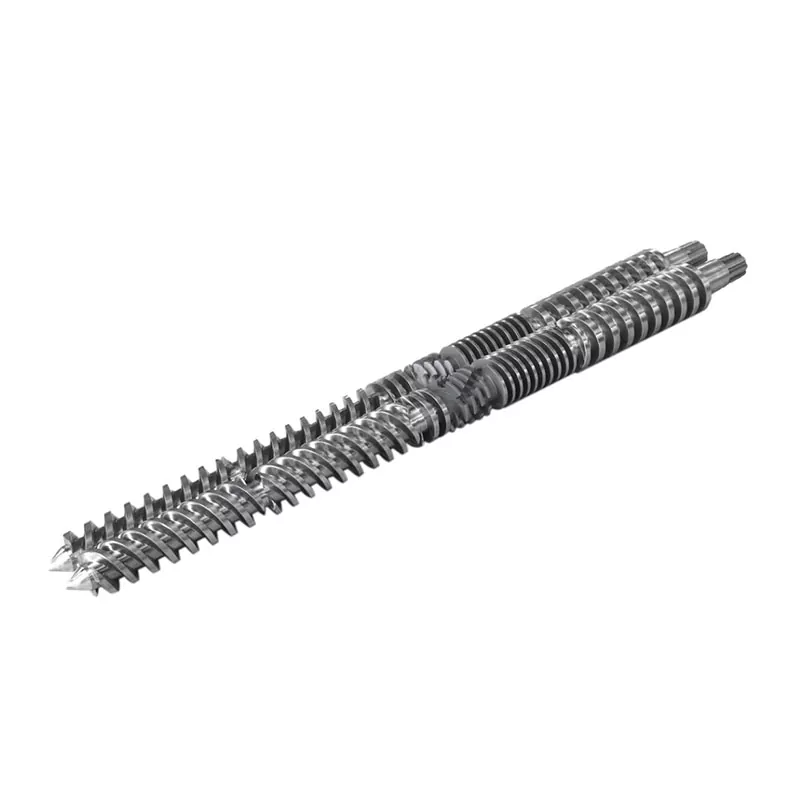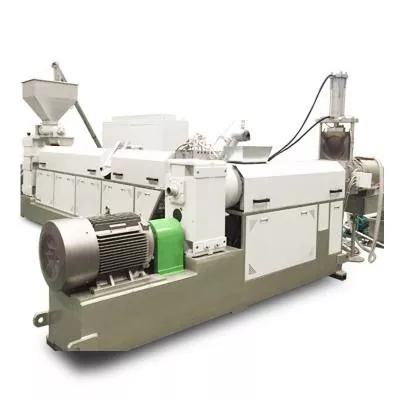

Surging is unstable extruder output. The visible result may be changing pipe wall thickness, film gauge, profile dimensions, strand diameter or die pressure. The right fix depends on where the variation starts—not on which adjustment is easiest to reach.
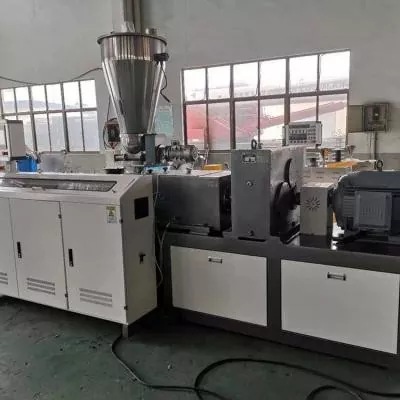
Quick answer
A single screw extruder surges when material flow through the line stops being steady. Common sources include inconsistent feeding, screw-speed variation, unstable barrel temperature, incomplete or unstable melting, a changing screen or die restriction, screw-and-barrel wear, and downstream speed variation.
Record melt pressure, motor current, screw speed, zone temperatures, feed rate and downstream speed on the same timeline before changing settings. If pressure and output move together, investigate the extruder and flow path. If the extruder trends stay stable while the product changes, start with the die, cooling, vacuum, haul-off or winder.
What does “surging” mean in single-screw extrusion?
Surging is a recurring or irregular change in the amount of melt delivered by the extruder. A pressure trend may rise and fall, motor load may cycle, or product dimensions may alternate between thick and thin. The cycle can be fast, slow or uneven, and that timing is one of the most useful diagnostic clues.
The Society of Plastics Engineers’ technical note on surging groups many single-screw cases into three mechanisms: inconsistent feed, channel plugging in the melting zone, and insufficient fill in the pumping section. Dynisco likewise explains that unstable feeding, melting or pressurization can disturb output, and that die-pressure fluctuation commonly correlates with output change.
That does not mean every visible gauge change is an extruder surge. A slipping haul-off, cycling vacuum, uneven cooling or winder variation can change the product while melt flow remains steady. Diagnose the signal chain before touching the screw.
Safety before inspection
Molten polymer, stored pressure, heaters and rotating equipment can cause severe injury. Follow the machine manufacturer’s shutdown procedure and your plant’s energy-control program before removing guards, opening the die, cleaning, unjamming or measuring components. OSHA’s lockout/tagout overview explains the general requirement to control hazardous energy during servicing; local regulations and site procedures may add further requirements.
First determine whether the instability begins before or after the die
Watch the line as one connected system. A good first dataset contains at least melt pressure near the die, actual screw speed, drive current or torque, actual barrel-zone temperatures, feeder output where available, and the speed of the haul-off, winder or cutter. Use actual values, not setpoints alone.
Pressure and product vary together
The source is more likely in feeding, solids conveying, melting, metering, the screen pack, adapter or die. Compare the cycle with motor load, temperature control and feeder events.
Product varies but melt pressure is steady
Inspect the downstream process first: die lip condition, cooling, vacuum, haul-off traction, line speed, winding tension or cutting control.
Motor load changes before pressure
Feeding or solids-conveying variation is a stronger suspect. The physical distance between the feed section and pressure sensor can create a time delay.
Pressure cycles but other signals do not
Verify the pressure sensor, wiring, mounting and signal conditioning before treating the display as a process event.
Technical basis: the Dynisco extrusion-stability paper links die-entry pressure instability with output variation and recommends continuous monitoring to identify the source.
Extruder surging patterns and what to check
| Observed pattern | Likely area | What to verify | First controlled action |
|---|---|---|---|
| Irregular pressure and motor-load changes | Feed consistency or solids conveying | Hopper bridging, pellet or regrind variation, feeder refill events, feed-throat cooling, bulk-density changes | Stabilize one material lot and feed condition; inspect the hopper and feed throat |
| Surging becomes worse as screw speed rises | Melting limit, channel restriction or inadequate screw design for the duty | Unmelt, transition-zone temperature behavior, drive load, resin and throughput versus the screw’s intended application | Return to the last stable speed and compare trends before changing the temperature profile |
| Regular cycle matching a heater or cooling cycle | Temperature control | Actual zone temperatures, thermocouple seating, heater output, cooling-valve or fan operation | Repair the control problem; do not mask it with repeated setpoint changes |
| Pressure rises gradually, then changes sharply | Screen pack, filter, adapter or die restriction | Pressure before and after the restriction where instrumentation exists; contamination and screen history | Use the approved shutdown and screen-change procedure; inspect the flow path |
| Stable cycle with little change in drive current | Metering-section fill or downstream control | Pressure-cycle period, feeder rate, die demand, haul-off and gear-pump control if fitted | Correlate the cycle with every rotating or cycling device on the line |
| Instability appears after long service and cannot be restored with verified settings | Screw-and-barrel clearance, flight wear or surface damage | Output at the same recipe and speed, melt temperature, drive load, measured diameters, flight condition and barrel bore | Measure components and compare with the original drawing or approved wear limit |
The table is a triage tool, not a universal recipe. Resin rheology, screw geometry, feed form, die resistance and instrumentation location all affect the signal. Make one controlled change at a time and preserve the baseline data.
Send Nanhaiya the pressure trend, screw speed, motor load, material, product, output and current screw drawing. The team can help determine whether the next step is process correction, inspection or a replacement single screw and barrel.
Submit Your Extrusion DataA seven-step diagnostic sequence
Freeze the baseline before making changes
Record the resin grade and lot, virgin-to-regrind ratio, additive or masterbatch rate, dryer conditions where relevant, feeder setting, screw speed, zone setpoints and actuals, pressures, motor load, output and line speed. Also record when the problem began: after a material change, screen change, maintenance event, speed increase or restart.
Separate upstream flow variation from downstream dimensional variation
Trend pressure and product dimensions at the same time. Stable extruder pressure with unstable pipe diameter or film gauge points toward tooling, cooling, vacuum or take-off control. If both change on the same rhythm, continue upstream.
Inspect the feed path and material consistency
Look for bridging, rat-holing, inconsistent feeder refill, mixed pellet sizes, excessive fines, variable regrind bulk density, condensation or an unstable feed-throat condition. A single screw is sensitive to the amount and frictional behavior of solid material entering each turn of the screw.
Run a controlled comparison only with material approved for the product. If the surge changes with the feed batch while machine settings remain fixed, document the material difference instead of compensating with several unrelated machine settings.
Verify screw speed and drive behavior
Compare commanded speed with actual speed. Check whether drive current or torque oscillates with the pressure cycle. The SPE surging note explains that feed inconsistency and melting-zone plugging can both affect drive amperage, although the timing and sharpness of the changes may differ.
If speed feedback itself moves, investigate the drive, encoder, mechanical transmission and any control loop before redesigning the screw.
Check actual thermal control, not only the recipe
A displayed setpoint does not confirm a stable metal or melt temperature. Compare each zone’s actual value and controller output. Inspect thermocouple contact, heater bands, cooling fans or valves, and any zone that repeatedly overshoots or undershoots.
Avoid changing every zone together. That destroys the evidence needed to identify whether the cycle is caused by control hardware, premature melting near the feed section or insufficient melting downstream.
Inspect changing restrictions and degraded material paths
A loading screen pack, contaminated breaker plate, restricted adapter or damaged die can alter the pressure demand placed on the metering section. Compare pressure history with screen-change timing and material contamination. The correct screen arrangement and change limit are application-specific.
Dark specks or black lines add another clue. Nanhaiya’s black-line troubleshooting article recommends checking raw material, cleaning, screw and barrel condition, the die and the filter rather than assuming one cause.
Measure the screw and barrel when process checks do not explain the loss
Wear can increase internal leakage over the flights and reduce the metering section’s ability to build stable output against die pressure. Rounded flight edges, scoring, corrosion, coating loss or an enlarged barrel bore can also change melting and flow.
Do not diagnose wear from operating hours alone. Safely remove and clean the components, measure at documented axial positions, and compare with the original dimensions or the equipment maker’s approved wear criteria. Nanhaiya’s article on premature single-screw wear provides a related review of abrasive, corrosive, process and maintenance factors.
When is the screw or barrel actually responsible?
A worn screw and barrel are plausible suspects when the same material and operating window no longer produce the previous output, pressure stability or melt consistency—and feed, drive, temperature control, tooling and instrumentation have already been checked. Measurement should confirm the diagnosis.
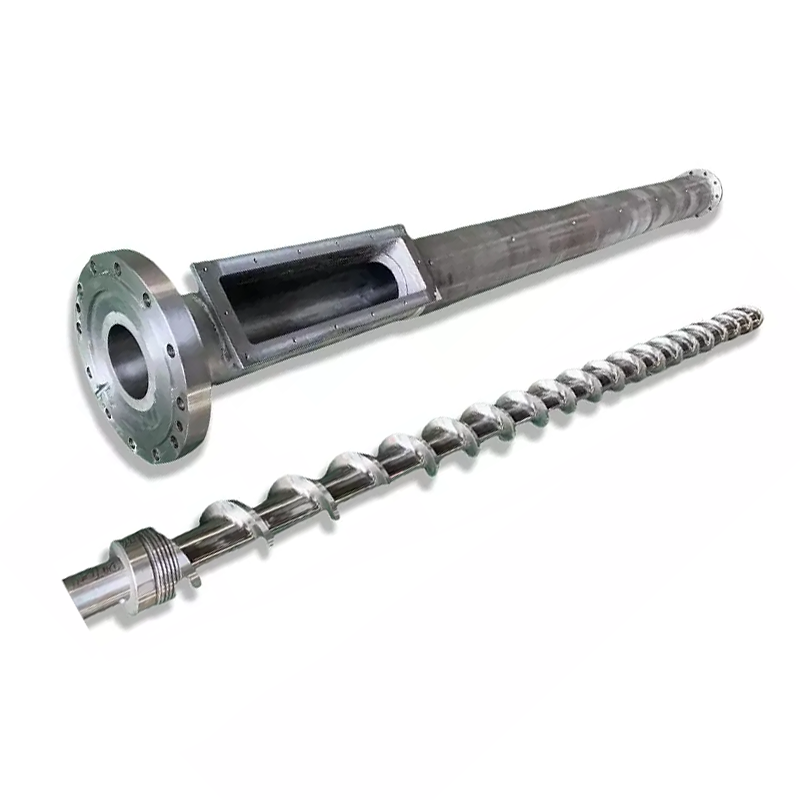
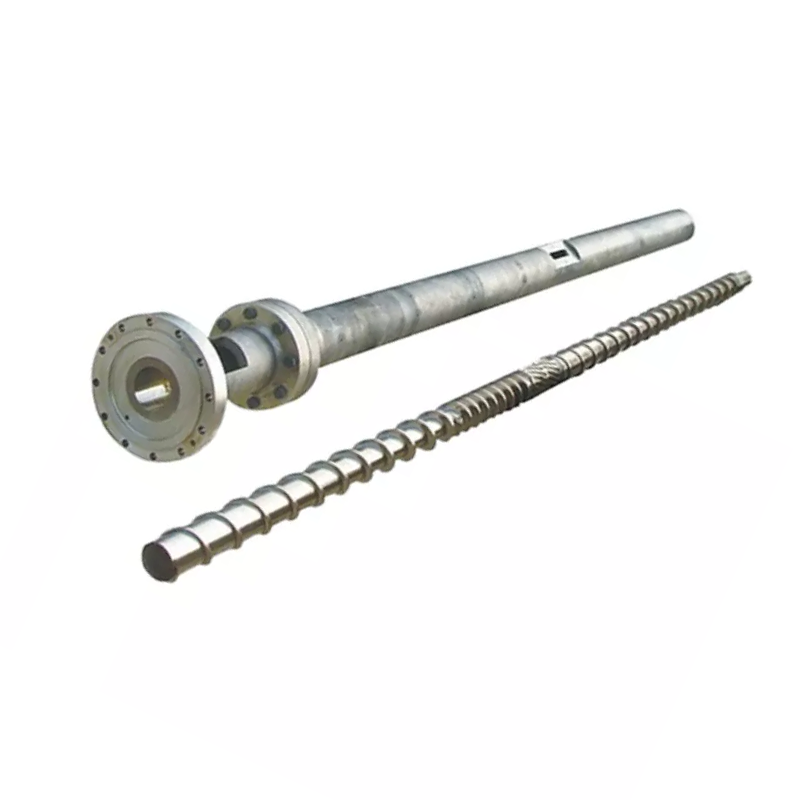
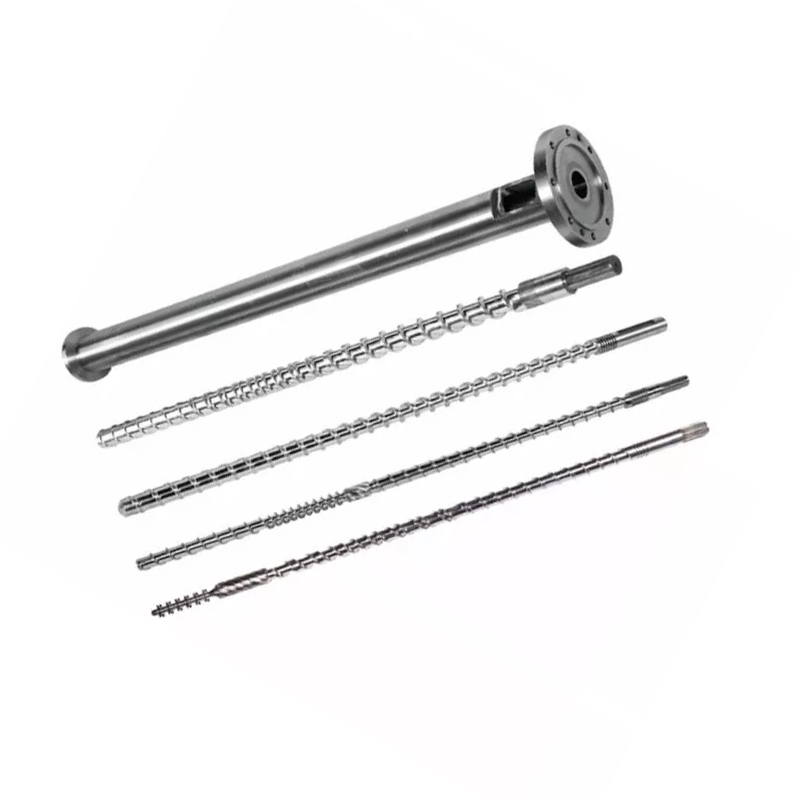
Replacement also deserves consideration when the screw was designed for a materially different duty. A screw selected for uniform virgin pellets may not behave well with large changes in bulk density, filler content, regrind form or required throughput. Nanhaiya’s single screw barrel selection guide explains the feed, compression and metering zones and the role of L/D, compression and screw type.
Surface treatment alone does not cure a mismatch in feed capacity, melting length or metering geometry. For abrasive formulations, a wear-resistant single screw configuration may be appropriate, but material, filler, temperature, pressure, speed and existing dimensions must be reviewed before a material or coating is specified.
What information should you send to a screw and barrel factory?
A useful RFQ is more than a diameter and overall length. To investigate surging or reproduce an existing component, prepare the following:
- Extruder brand, model and serial information where available
- Original screw and barrel drawings, or a complete dimension sheet
- Resin grade, additives, filler content and virgin/regrind form
- Finished product and tooling: film, pipe, profile, sheet, strand or granulation
- Normal and unstable throughput, screw speed, motor load and melt pressure
- Zone setpoints and actual temperatures during a stable and unstable period
- Pressure, motor-current and line-speed trends with timestamps
- Photos of flight edges, root surfaces, scoring, corrosion and any damaged area
- Measured screw outside diameters and barrel bore positions, including the method used
- Operating history: material change, maintenance, cleaning event or speed increase before the problem
From a factory perspective, this information separates three very different jobs: reproducing an undamaged OEM design, restoring worn geometry, or redesigning the screw for a changed material and output requirement. Mixing those jobs in one quotation invites the wrong solution.
LDPE/HDPE film single screw
Use this product path when the unstable line produces blown-film or related packaging-film applications.
Transparent granulation single screw
Use this path for transparent-material pelletizing, where feed consistency, contamination and surface quality require close control.
Aluminum-plastic panel single screw
Use this page for composite-panel production and include the core formulation, panel width and output requirement.
Extruder single screw barrel
Use the general extrusion product route when the application needs drawing-based customization.
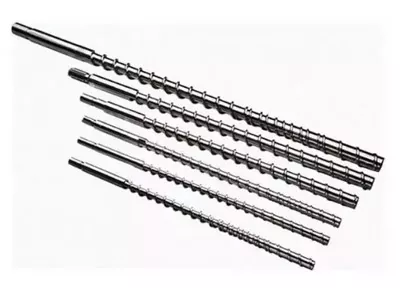
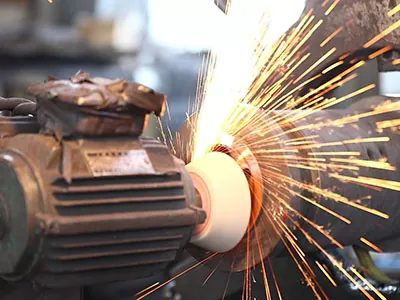
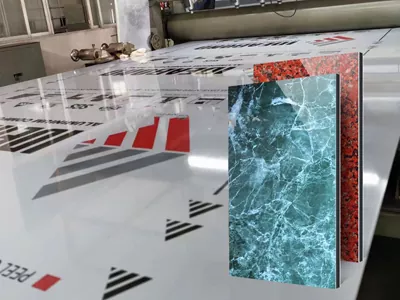
Nanhaiya can review the application, existing drawing, process trends and measured condition before discussing a replacement. This reduces the risk of reproducing wear, copying an unsuitable geometry or treating a downstream fault as a screw problem.
Ask Nanhaiya to Review Your ApplicationHow to reduce repeat surging
- Save a stable baseline. Keep the resin, feed rate, screw speed, actual temperatures, pressures, motor load, output and downstream speeds together.
- Trend actual values. A setpoint history cannot reveal a failing sensor, drive deviation or cycling heater output.
- Control material changes. Record bulk density, particle form, fines, moisture requirements, regrind percentage and additive changes.
- Define screen-change and cleaning procedures. Base them on the material, pressure history, machine manual and approved plant practice.
- Track component condition. Record output and pressure at a repeatable reference condition, then measure the screw and barrel during planned maintenance.
- Review the screw when the duty changes. Higher output, a new polymer, more filler or a different regrind form can move the line outside the geometry’s intended window.
Frequently asked questions
What is the most common cause of single screw extruder surging?
Inconsistent feeding is a common starting point, but there is no universal single cause. Confirm hopper and feed behavior, then correlate melt pressure with motor load, screw speed, temperature and downstream speed before deciding.
Can increasing barrel temperature stop surging?
It may change a melting-related surge, but it can also cause premature melting near the feed section or degrade heat-sensitive material. Check actual temperature control and change one zone at a time within the resin and machine supplier’s approved processing window.
Why does surging get worse at higher screw speed?
A higher rate can expose limits in feeding, solids conveying, melting or metering. If pressure and motor-load variation increase with speed, return to the last stable condition and compare the material rate, temperature behavior and screw geometry.
Can a worn screw cause pressure fluctuation?
Yes. Increased screw-to-barrel clearance can increase leakage flow and reduce stable pressure generation. Confirm it with dimensional measurements and a comparison to the original design or approved wear limit rather than operating hours alone.
How can I tell whether the extruder or haul-off is causing gauge variation?
Trend melt pressure and product dimensions together. If pressure and output stay steady while product dimensions cycle, inspect downstream speed, traction, cooling, vacuum or winding. If pressure cycles with the product, continue investigating the extrusion flow path.
What should I send when requesting a replacement single screw?
Send the machine model, complete drawing or measurements, resin and additives, product, normal output, screw speed, pressure and motor-load trends, current problem, operating history, and clear component photos. State whether you want an exact replacement or a design review for changed conditions.
Send Nanhaiya Your Surging Data and Screw Drawing
Zhoushan Nanhaiya Plastic Machinery Co., Ltd. manufactures single screws, barrels and application-specific screw solutions in Zhoushan, China. For a useful technical review, include your polymer, product, output, screw speed, pressure trend, motor load, existing dimensions and photos.
Send a Technical Inquiry View Single Screw OptionsEmail: info@nhyscrew.com
Phone: +86-13505809643 · Mobile: +86-13587082002
Address: Block C, No. 2 West Section, Xingzhou Avenue, Dinghai District, Zhoushan City, Zhejiang Province, China